Water Damage Restoration Brea, CA
24/7 water damage restoration in Brea, CA: the extraction crew pulls standing water off slab floors, the drying team dries walls and framing to the IICRC S500 standard, and every reading goes into your claim file.
(888) 563-9619Water moving across the floor? Call now.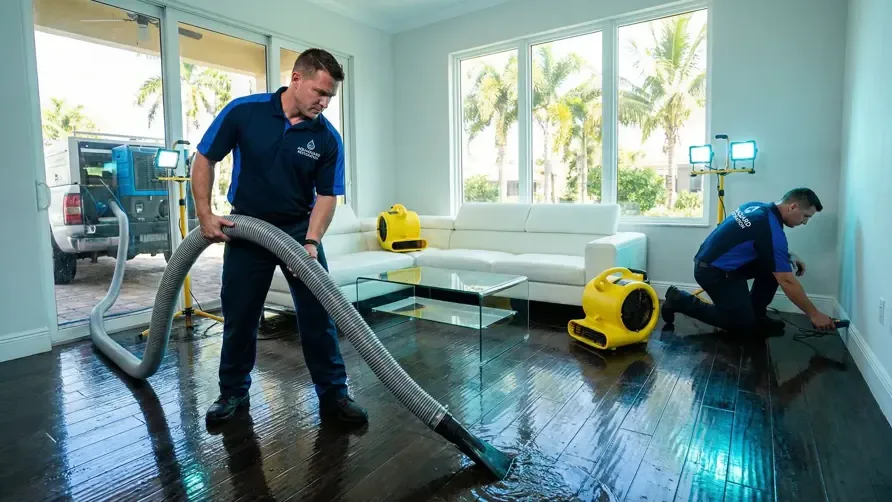
What to do while the water is still moving
- 1
Close the main shutoff, usually beside the front hose bib or in the garage, or the valve at the curb meter box.
- 2
Switch off breakers for wet rooms only if the panel area is dry, and stay off wet floors near outlets.
- 3
Photograph every wet room and the source of the water before moving anything.
- 4
Lift rugs, electronics and boxes off the floor, then call. Mold can start in 24 to 48 hours.
Water Damage Restoration Services in Brea, CA
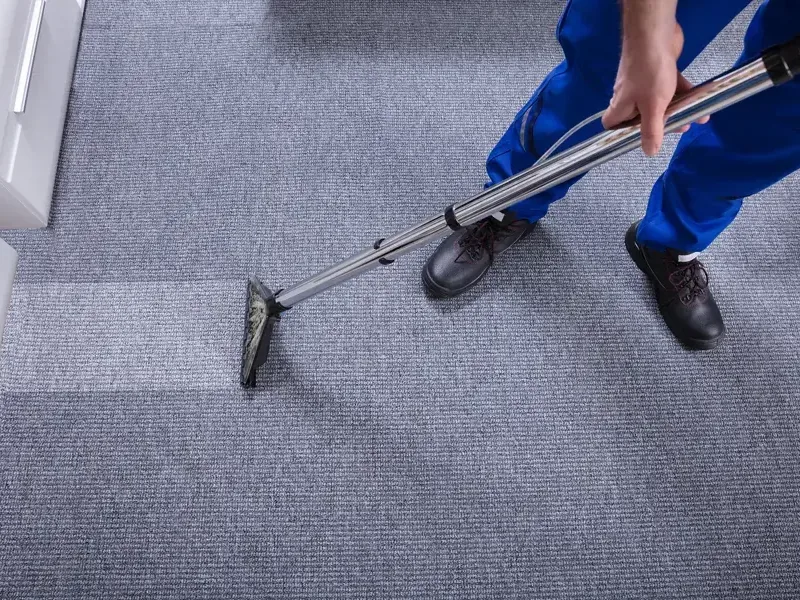 Water Extraction & RemovalTruck-mounted extraction pulls standing water off carpet, tile and slab before it spreads.See how it is handled
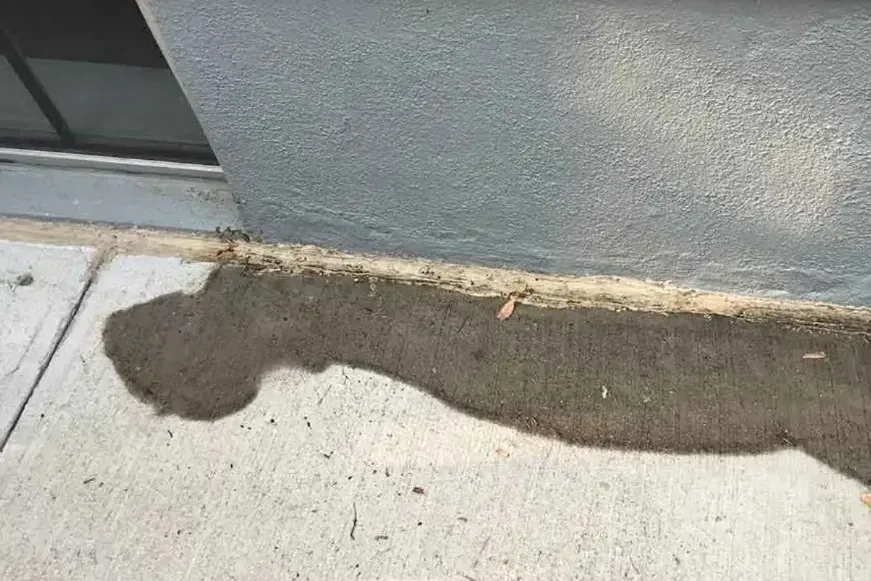 Slab Leak Water DamageHot-water leaks under the concrete traced to the wet area, flooring lifted and the slab dried.See how it is handled
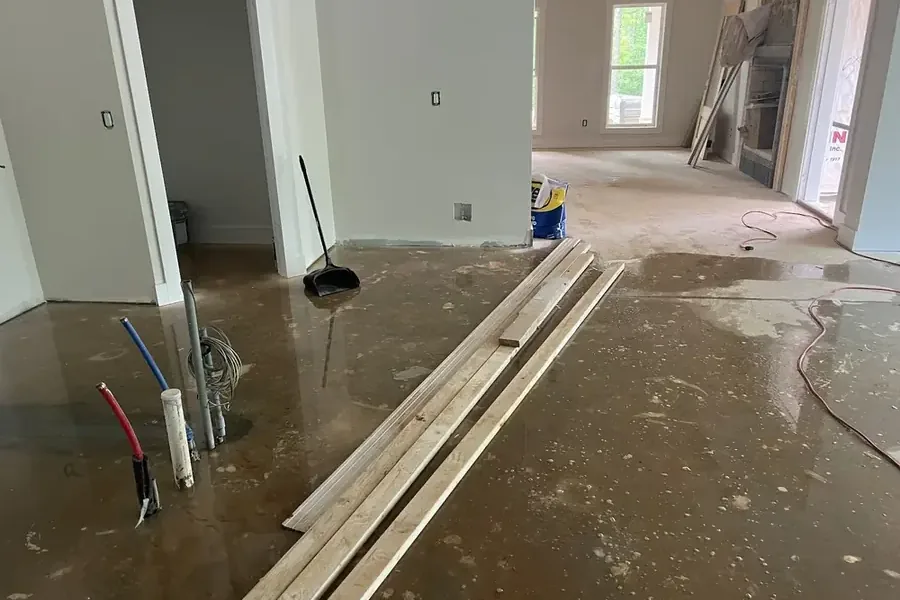 Pinhole Leak Water DamageAging copper that weeps inside walls, with cavities opened only where meters read wet.See how it is handled
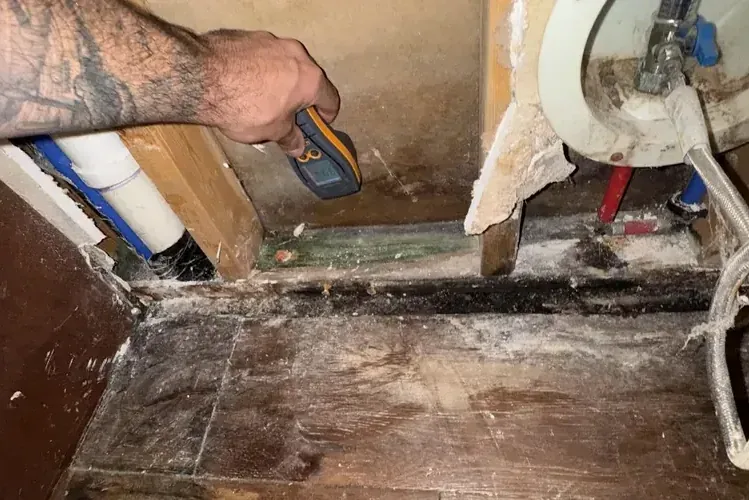 Burst Pipe Water DamageSudden supply splits and failed fittings, extracted fast and dried inside walls and ceilings.See how it is handled
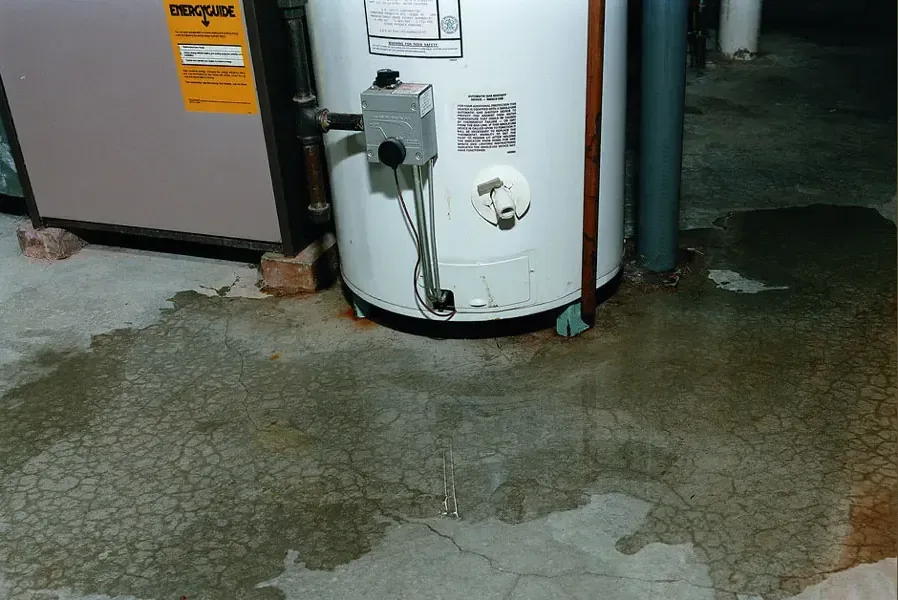 Water Heater Leak CleanupGarage and closet tank failures cleaned up before water reaches drywall and stored boxes.See how it is handled
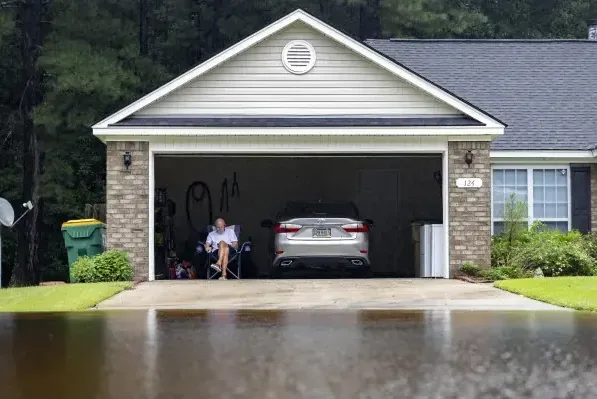 Storm & Flash Flood CleanupWinter storm runoff and hillside mud that reach garages and lower walls, handled as contaminated.See how it is handled
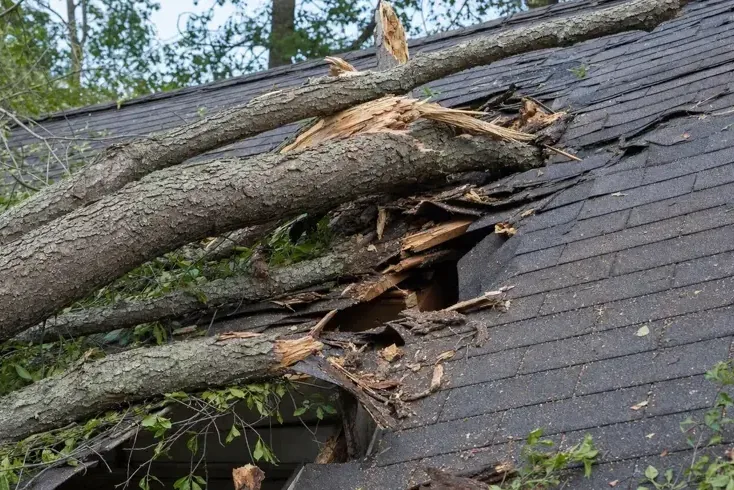 Roof Leak Water DamageFirst-storm leaks at tile, flashing and vents, wet attic insulation pulled and ceilings dried.See how it is handled
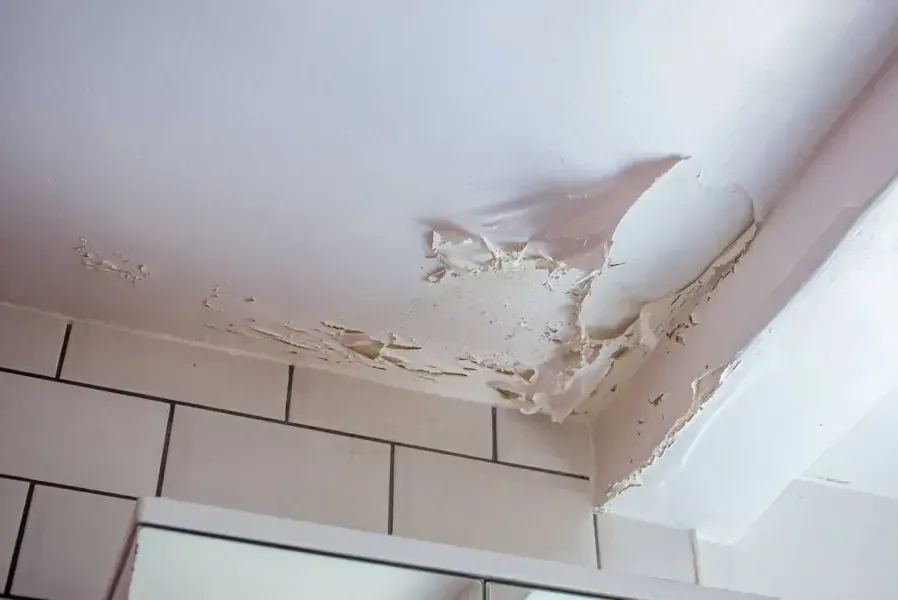 Ceiling Leak Water DamageUpstairs bath and supply leaks traced above the ceiling, drywall opened safely, joists dried.See how it is handled
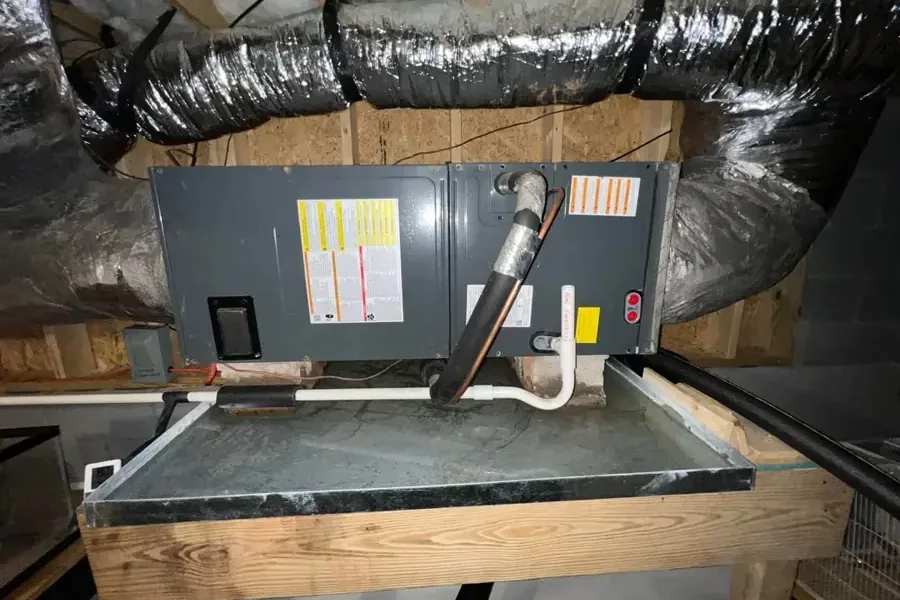 AC Condensate Leak Water DamageAttic air handler pans and clogged condensate drains that overflow in summer heat.See how it is handled
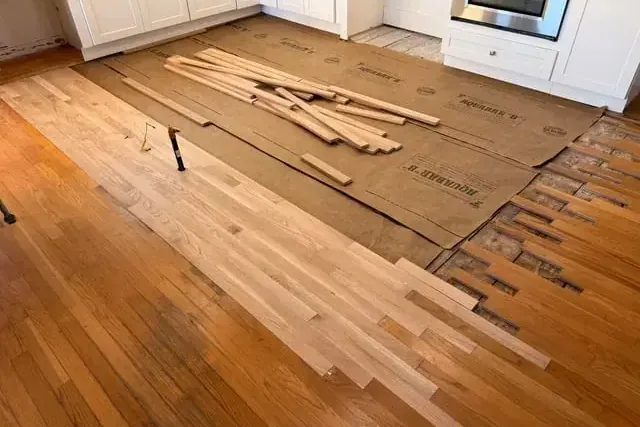 Appliance Leak Water DamageWasher hoses, dishwasher, fridge and ice-maker hoses, cleaned up from floors and cabinets.See how it is handled
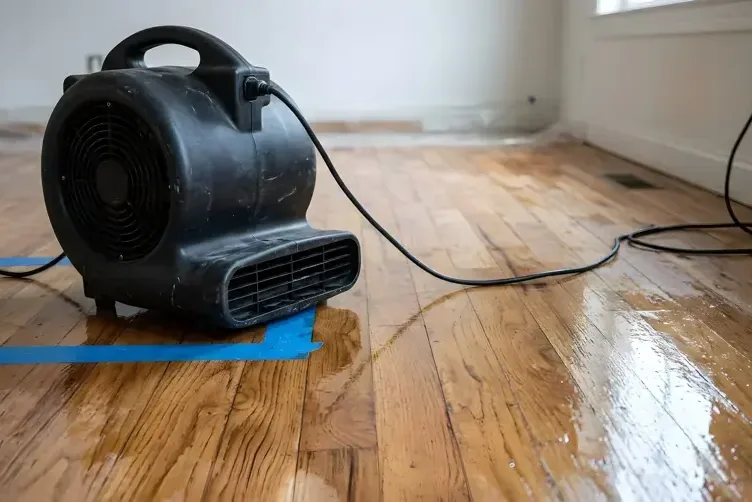 Hardwood Floor Water DamageCupped and wet wood floors dried with floor mats while the boards can still be saved.See how it is handled
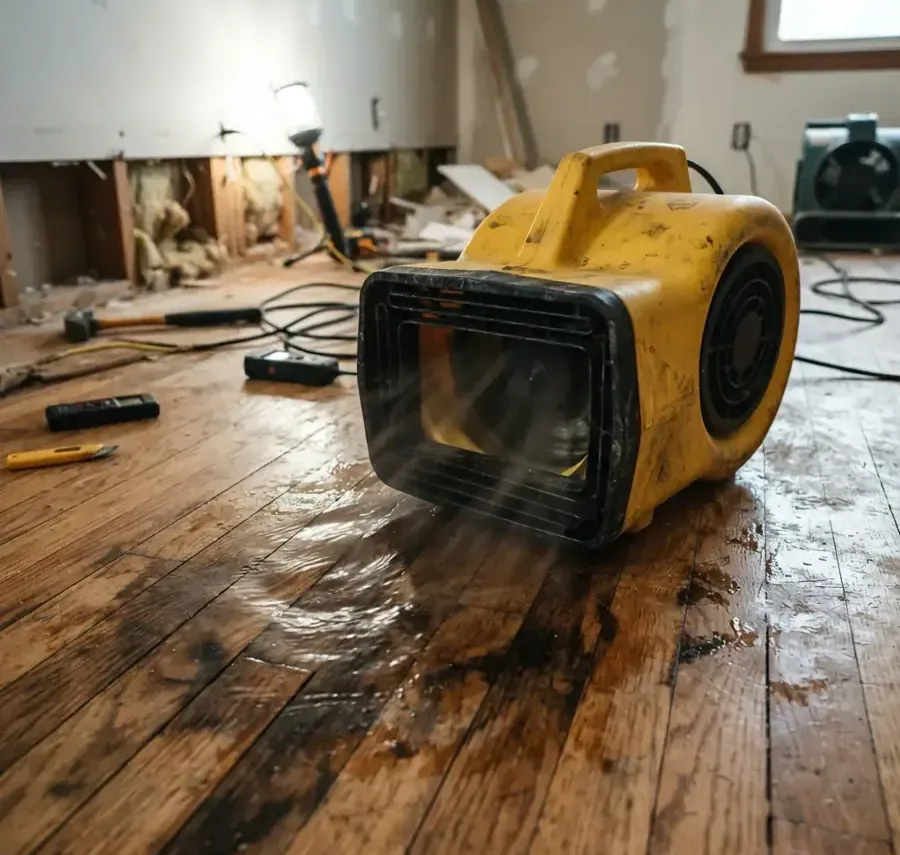 Structural Drying & DehumidificationFraming, subfloor and concrete dried to within 2 to 4 points of a dry reference.See how it is handled
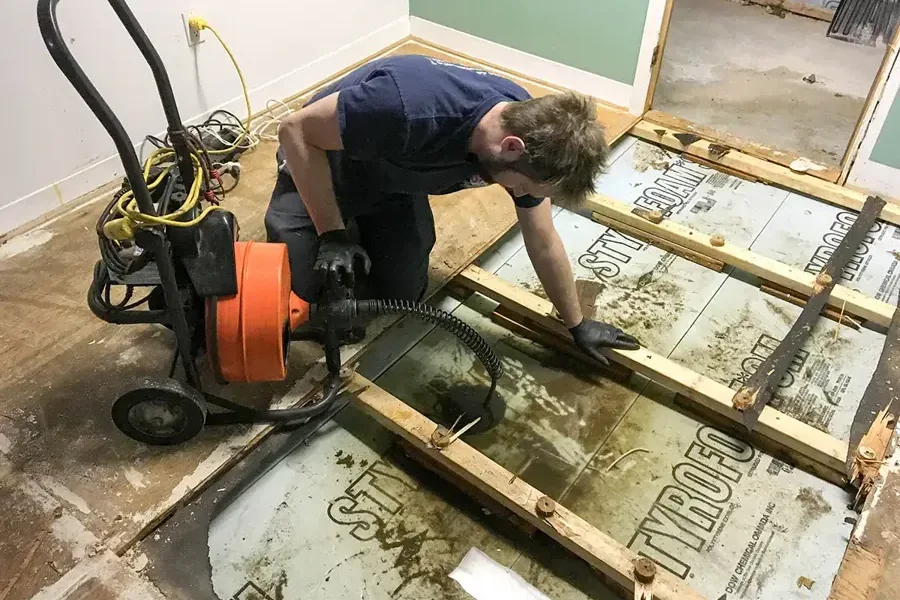 Sewage Backup CleanupMain sewer and lateral backups handled as Category 3, porous materials removed, surfaces treated.See how it is handled
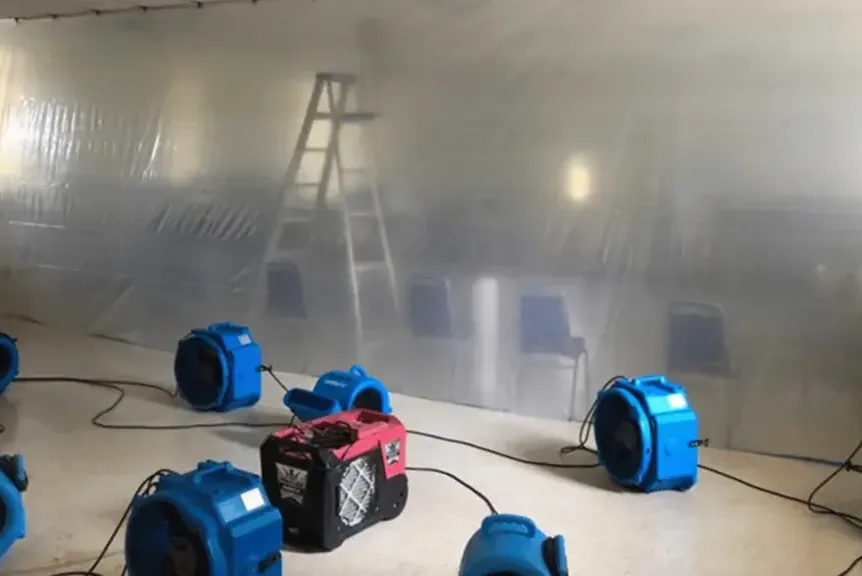 Commercial Water DamageOffices, shops and multi-unit buildings dried in phases so doors can stay open.See how it is handled
Water removal and drying shaped around local houses
A large share of the city's homes went up in the 1960s and 1970s on concrete slabs, with copper supply pipes and the water heater in the garage. Hillside tracts in Olinda Ranch and newer homes in Blackstone and La Floresta add upstairs laundries and attic air handlers.
The restoration team starts with a moisture map, pulls water with truck-mounted extraction and dries the framing, not just the surface, logging readings each day until the drying goal is met.
How the local pros work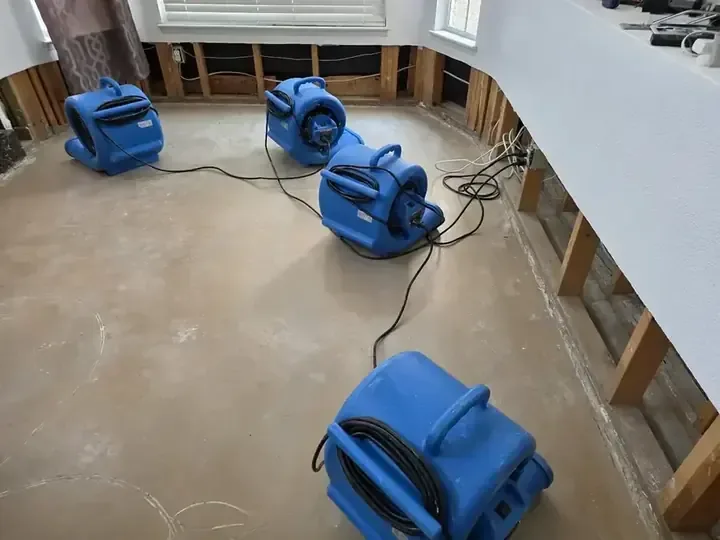
How a water loss is handled here
Rapid local response
The response team rolls 24/7 with pumps, air movers and meters, because water keeps moving into pad, drywall and base plates while it sits.
IICRC S500 drying standard
The drying team follows IICRC S500, the industry drying standard: structural drying, not surface drying, with equipment left until readings say dry.
Claim-ready documentation
The mitigation team keeps moisture maps, daily readings and timestamped photos in one file, the record an adjuster reviews before a claim is decided.
Local water know-how
Slab leaks, pinhole copper, garage water heaters and hillside runoff are the losses north Orange County crews see every year.
What does water damage restoration cost in Brea, CA?
Water damage restoration here typically runs $1,500 to $12,000 or more, set by the water category, the square footage that got wet, the material class (carpet, drywall, hardwood, slab) and how fast drying started.
One contained area
- Clean water caught early
- Extraction and drying in place
- Daily moisture readings
Several rooms
- Water in walls or under flooring
- Some pad, baseboard and drywall removal
- LGR dehumidifiers and cavity drying
Contaminated or widespread
- Sewage, storm water or long leaks
- Category 3 removal and antimicrobial
- Full structural drying and records
For a planning figure, try the water damage cost calculator. The firm number follows the on-site assessment and moisture map.
All water damage categories covered in Brea, CA
Category 1, 2 and 3 water are handled differently, and the category decides what is dried in place and what is removed.
Category 1, clean water
Supply pipes, slab leaks, water heaters and ice-maker hoses. Extracted and dried in place when drying starts early.
Category 2, gray water
Washer and dishwasher overflows, AC pan water and clean leaks left sitting. Wet pad and some trim usually come out.
Category 3, black water
Sewage backups and storm runoff off streets and slopes. Contained, porous materials removed, then treated and dried.
Sewage backup cleanupWater damage dried to the IICRC S500 standard
- 1
Map the moisture
The tech who does the walkthrough maps wet areas with thermal imaging and pinless meters before any equipment is set.
- 2
Pull the water
The extraction crew removes standing water with truck-mounted units, so it leaves the house instead of moving into the next room.
- 3
Set the drying
The drying team places air movers at each room's evaporation load, with LGR dehumidifiers pulling that moisture back out of the air.
- 4
Verify and record
The drying team logs readings daily until wet materials sit within 2 to 4 points of a dry reference, then pulls the gear.
Documentation for your insurance claim
A water claim is settled on the file: the day-one moisture map, daily psychrometric logs, timestamped photos taken before any tear-out, the category and class of the loss and a line-item scope. Sudden pipe or tank failures are often treated differently from storm water flooding in from outside, which standard policies usually exclude. Coverage depends on your policy, so check with your own insurer.
The gear a real dry-out runs on
- Truck-mounted extraction that sends water outside
- Air movers set to each room's evaporation load
- LGR dehumidifiers, desiccants for Class 4 materials
- Thermal imaging and pinless meters behind walls
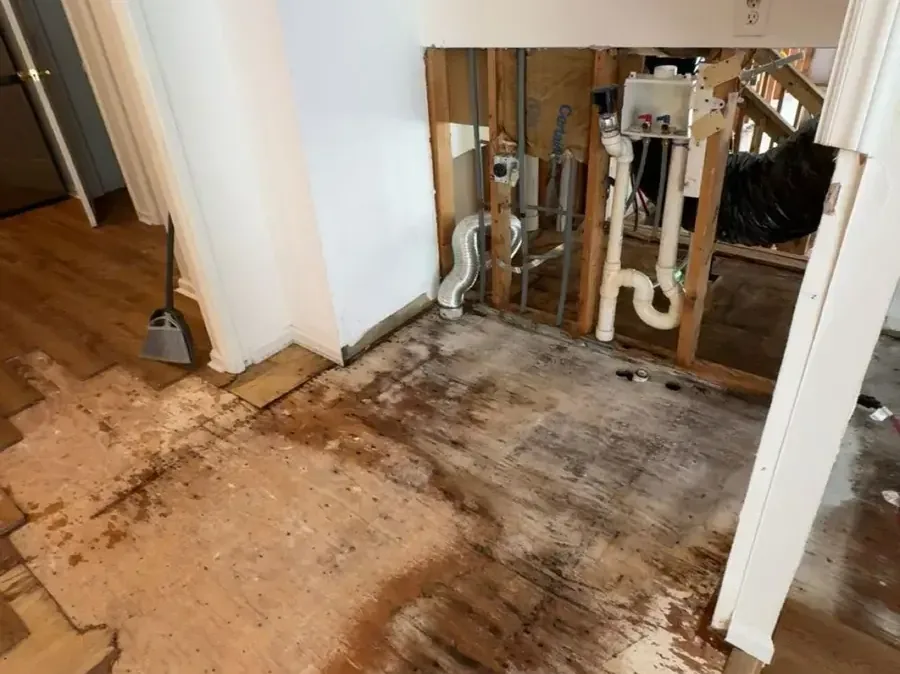
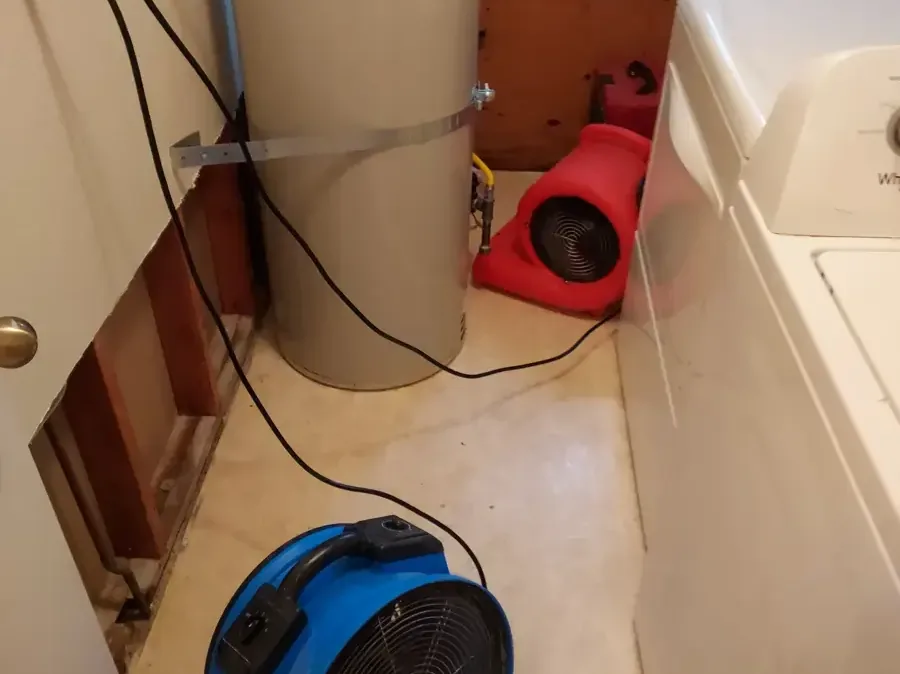
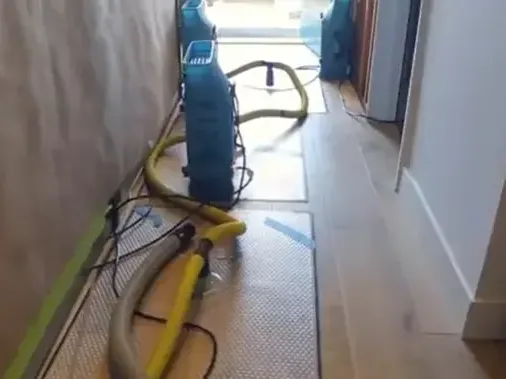
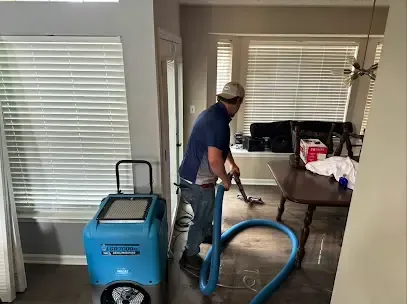
What a water damage dry-out looks like in Brea
Water damage restoration across Brea and north Orange County
Every local ZIP code plus the cities next door, day or night.
Local ZIP codes and neighbors
Fullerton, La Habra, Placentia, Yorba Linda and Diamond Bar border the city. Street not listed? Call anyway.
Downtown and central
Imperial Highway corridor
East side and Carbon Canyon
One call reaches Brea water damage pros, 24/7
The response team asks where the water is coming from, how long it has been running and what flooring is down, because that decides which extractors and dehumidifiers go on the truck.


Slab leaks, old copper and hillside runoff in Brea
The city sits at the foot of the Puente and Chino Hills, where Brea Creek and Carbon Canyon Creek carry winter runoff toward the flats. Flood-control dams on both creeks hold back the largest flows, but street runoff still reaches homes.
- Slab homes from the 1960s and 1970s run hot-water pipes through the concrete, so a slab leak shows up as warm or wet flooring.
- Hard Southern California water and aging copper lead to pinhole leaks inside walls, and some older homes still have galvanized pipe.
- Winter storms drop heavy rain in short bursts, and runoff off the slopes in Olinda Ranch and Carbon Canyon pushes mud toward garages.
- Hot inland summers keep attic air handlers running hard, and a clogged condensate drain overflows into the ceiling below.
Brea water damage questions, answered
How fast does the restoration team respond?
The response team works 24/7 and treats active water as urgent. While the crew is on the way, shut the water off and photograph the damage.
What should I do first while water is still spreading?
Close the main shutoff, usually by the front hose bib or in the garage. Switch off power to wet rooms only if the panel is dry, stay off wet floors near outlets, photograph everything, lift rugs and valuables, then call.
Is water damage covered by homeowners insurance in California?
Sudden and accidental water, such as a burst supply pipe or a failed water heater, is often covered after the deductible. Slow leaks, wear and storm water flooding in from outside often are not, and flood needs separate coverage. Coverage depends on your policy, so check with your own insurer.
What causes most water damage in this area?
Slab leaks under older homes, pinhole leaks in aging copper, garage water heaters, attic AC overflows, appliance hoses and winter storm runoff off the hills.
How long does it take to dry a wet house?
A contained Class 1 loss usually dries in three to five days. Hardwood, concrete slabs and multi-room losses take longer. The drying team compares daily readings with a dry reference and removes equipment only when wet materials fall within 2 to 4 points of it.
When does drywall have to come out?
Drywall touched by Category 3 water, such as sewage or storm runoff, gets removed. Drywall wet with clean water can often be dried in place if it is firm and drying starts early. Sagging or crumbling drywall comes out.
Why is sewage handled differently?
Sewage backup is Category 3 the moment it happens. The cleanup crew uses containment, protective gear, removal of porous materials, an EPA-registered antimicrobial and HEPA air scrubbing before drying starts.
What is the difference between mitigation and repair?
Mitigation stops the damage: extraction, removal of ruined materials and structural drying. Repair, such as new drywall, paint and flooring, follows once the structure reads dry.
What is IICRC S500?
IICRC S500 is the industry standard for professional water damage restoration. It sets how water is categorized, how drying is planned and how a crew confirms that materials are dry.
How is the cost of water damage restoration figured?
Cost follows the water category, the square footage, the materials that got wet and how fast drying started. The cost calculator gives a planning range.
Water spreading through the house right now?
Every hour of standing water pushes it deeper into pad, drywall and base plates. The restoration crew extracts, dries to the IICRC S500 standard and documents the loss for the claim.