Water Damage Restoration Yorba Linda, CA
Water damage in Yorba Linda homes gets extraction, moisture mapping and structural drying from a restoration team that logs readings daily and works through burst pipes, water heater leaks, storm runoff and sewage backups.
(888) 563-9619Call the Orange County drying crew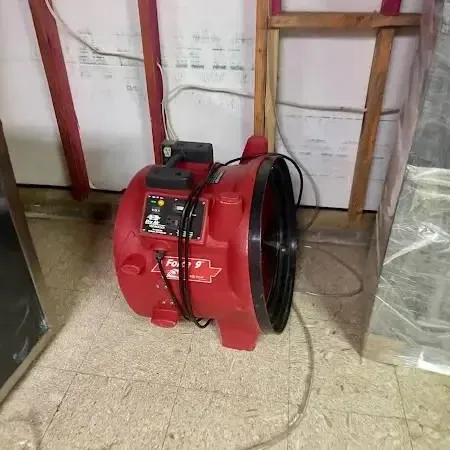
First moves when water is on the floor
- 1
Shut off the water at the main valve, then switch off power to any wet room before stepping into standing water.
- 2
Move small items and rugs off wet floors, set furniture legs on blocks, and leave soaked carpet and drywall for the crew.
- 3
Photograph the damage and keep wet belongings for the claim before anything is thrown out.
- 4
Call the drying team and describe the water source and the rooms affected so the plan starts right.
Water damage services for homes and businesses
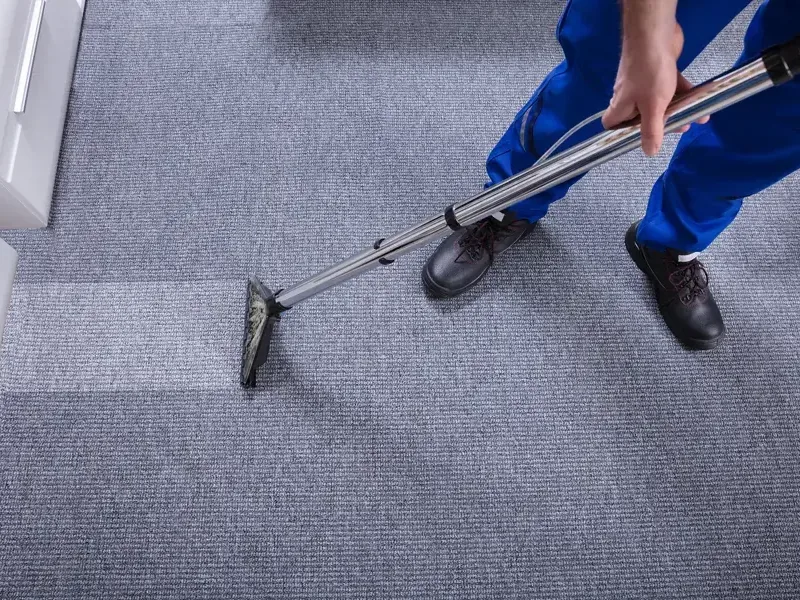 Water Extraction & RemovalTruck mounted pumps pull standing water from carpet, pad and hard floors before it wicks into walls.Service details
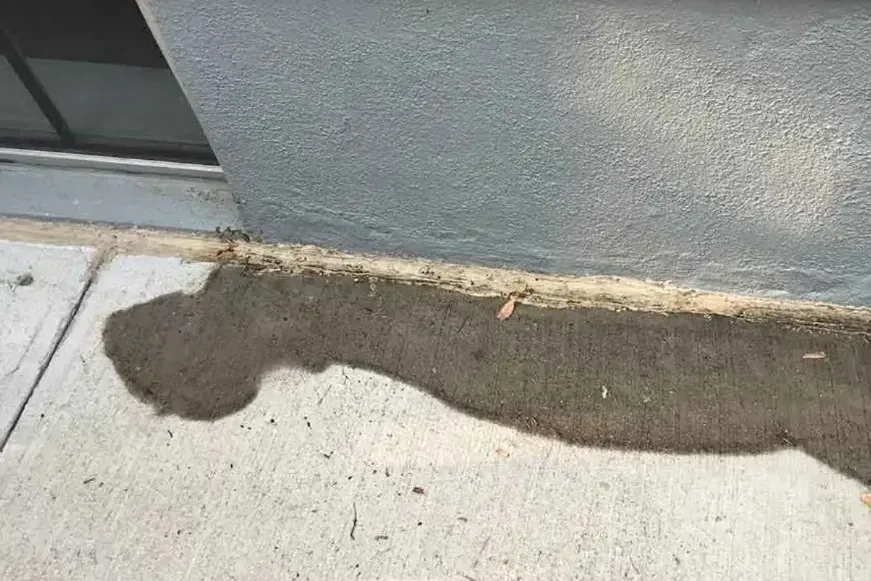 Slab Leak Water DamageMoisture mapping finds leaks under slab floors, then flooring comes up and concrete and walls dry out.Service details
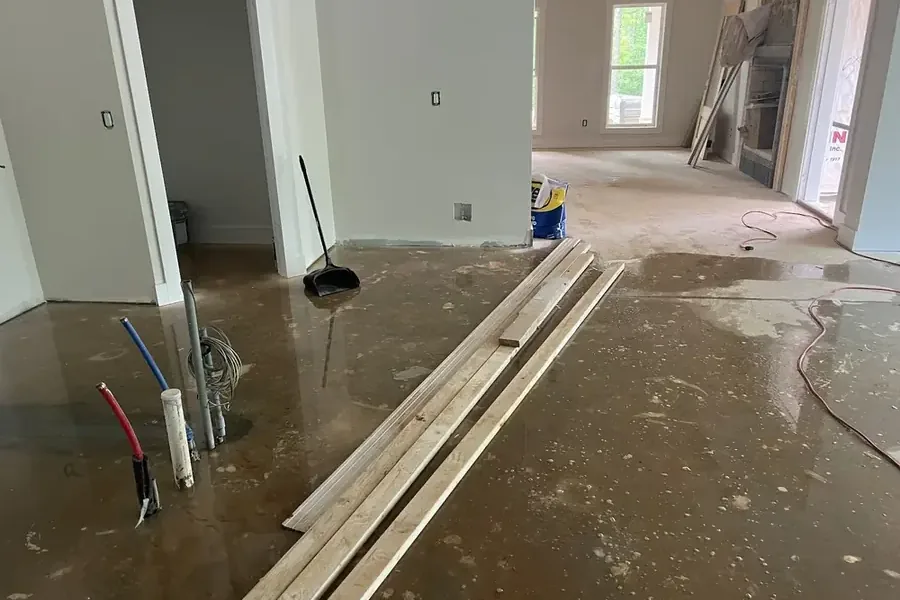 Pinhole Leak Water DamageTiny pinhole leaks soak wall cavities for weeks, so thermal imaging finds them and cavity drying follows.Service details
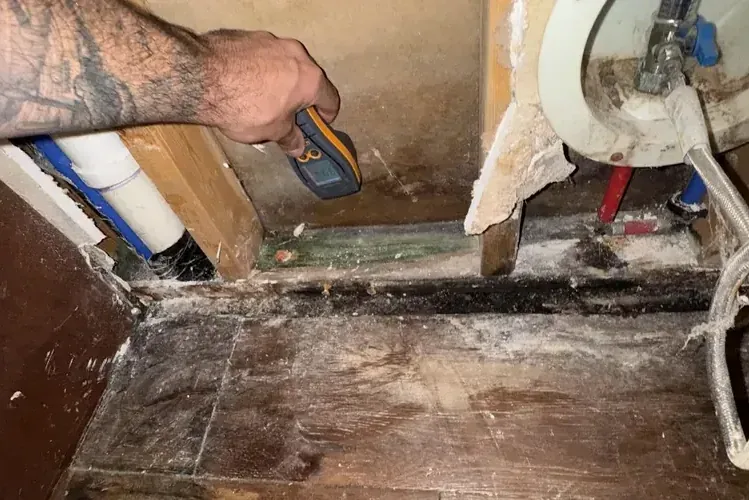 Burst Pipe Water DamageBurst supply pipes flood fast, so extraction comes first, then opened ceilings and walls get dried.Service details
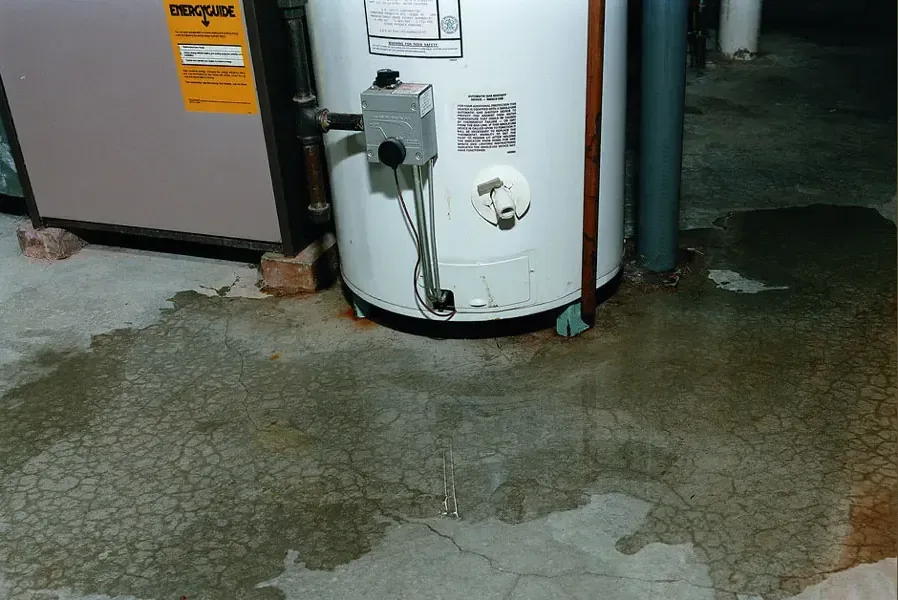 Water Heater Leak CleanupA failed tank soaks garage floors, closets and the next room, so extraction and baseboard checks lead.Service details
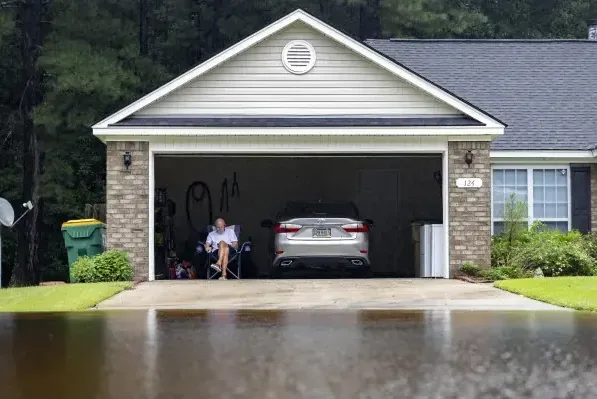 Storm & Flash Flood CleanupStorm runoff and mud are removed, lower drywall is cut out, then everything is disinfected and dried.Service details
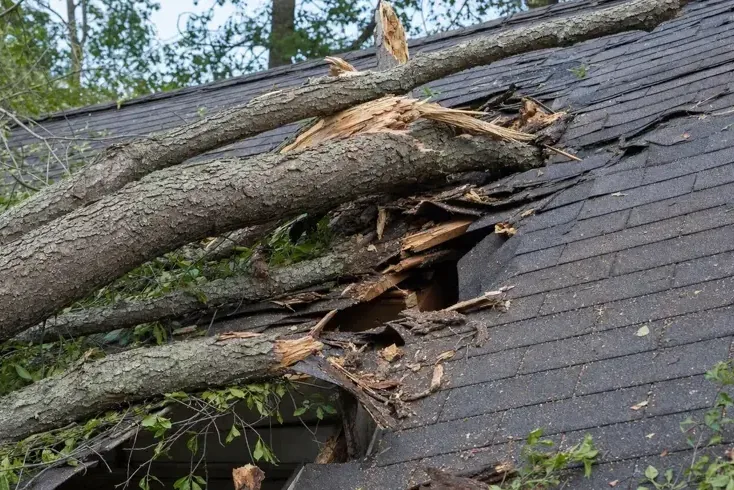 Roof Leak Water DamageRoof leaks wet attic insulation and ceilings, and thermal imaging shows how far the moisture traveled.Service details
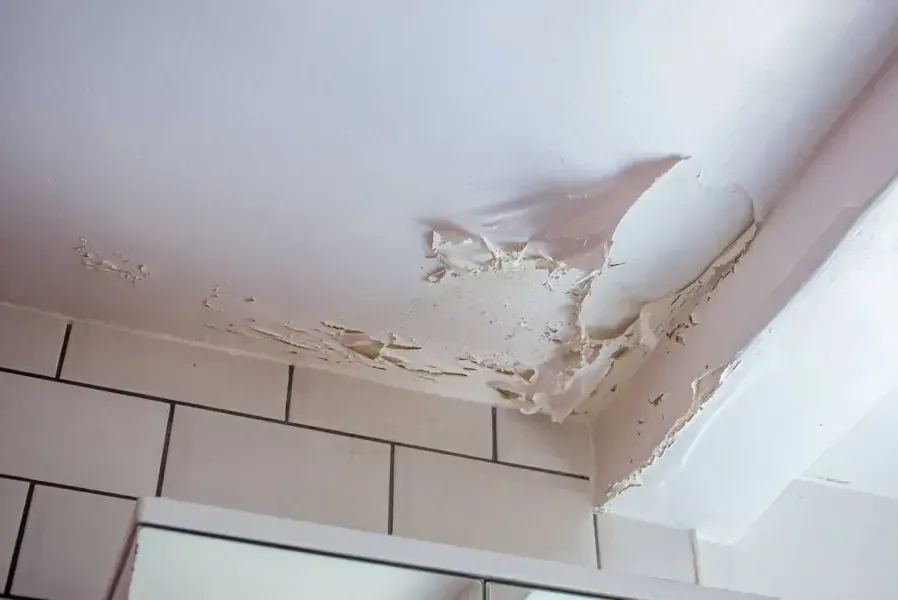 Ceiling Leak Water DamageStained or sagging ceilings are opened where needed, and the joist bays and room below get dried.Service details
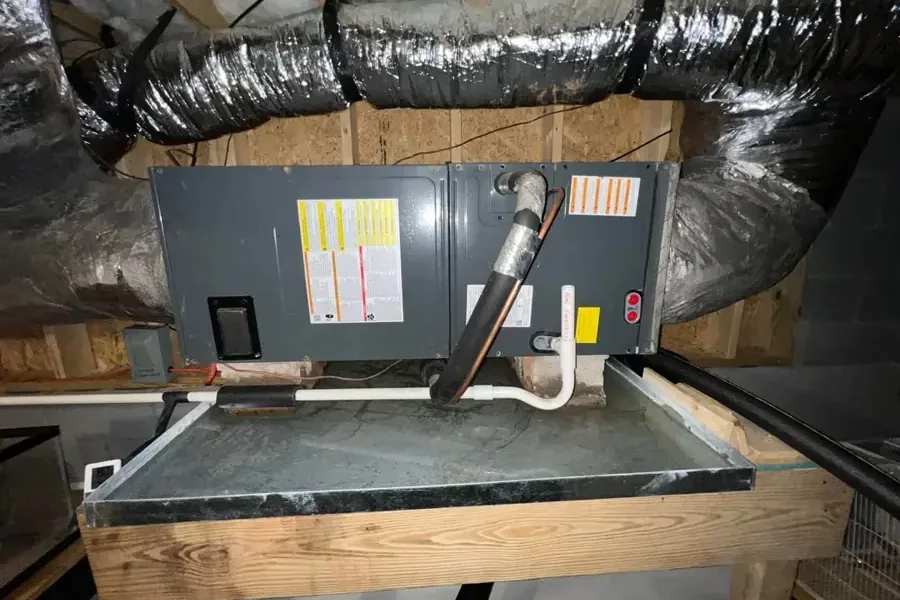 AC Condensate Leak Water DamageClogged condensate drains drip into ceilings and closets, and wet insulation and drywall come out.Service details
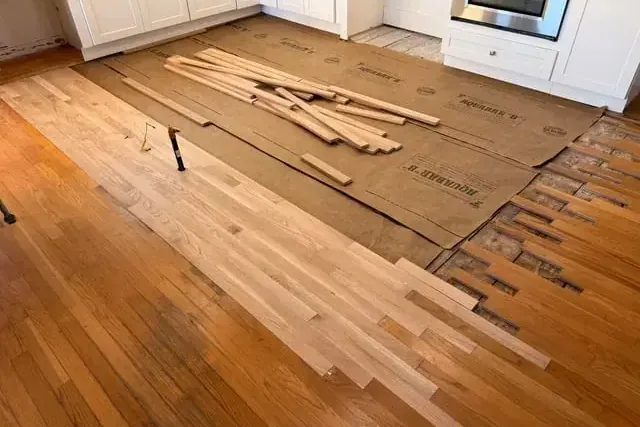 Appliance Leak Water DamageWasher, dishwasher and fridge leaks soak cabinets and flooring, and can reach the unit below.Service details
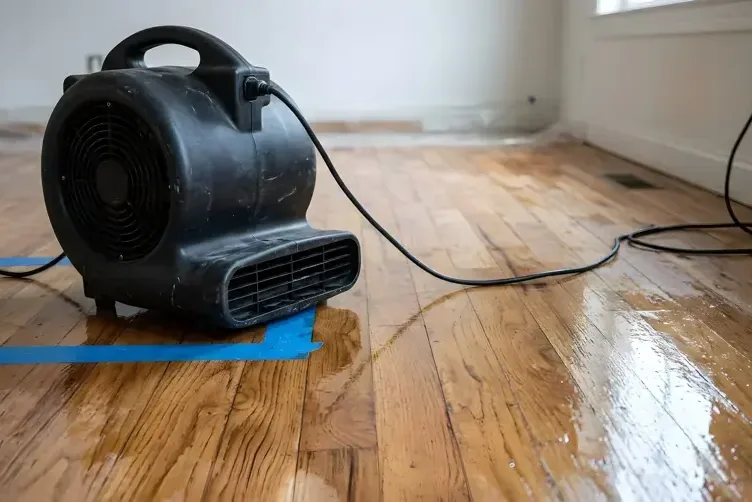 Hardwood Floor Water DamageHardwood gets drying mats and desiccant units so boards can often be saved instead of replaced.Service details
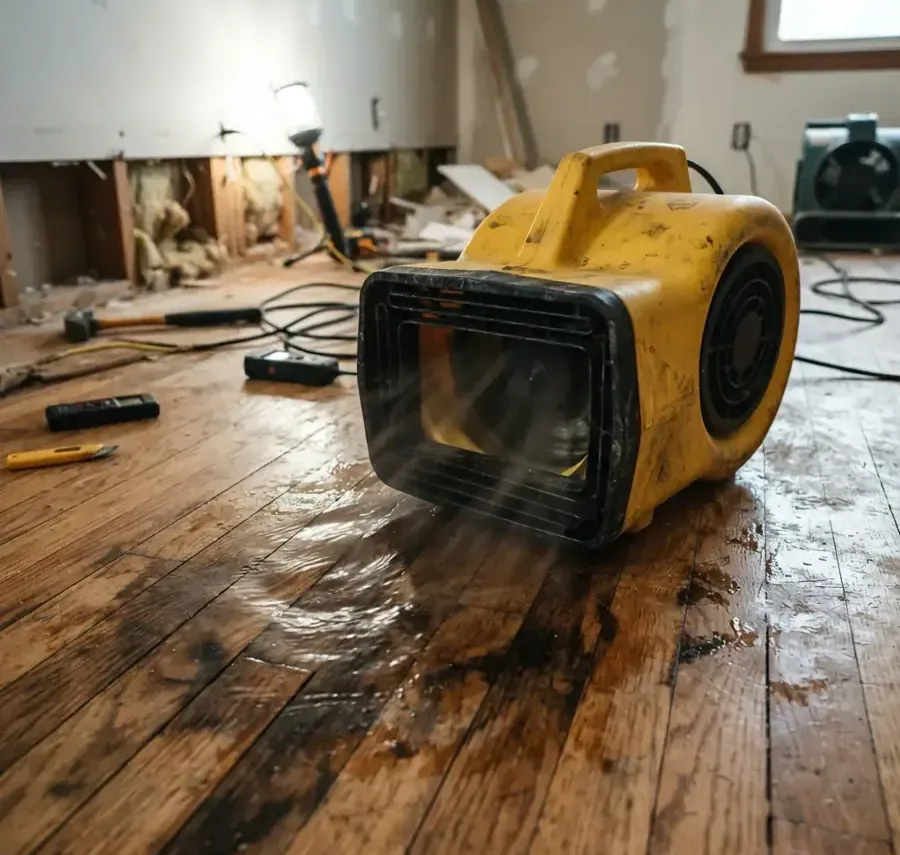 Structural Drying & DehumidificationAir movers, LGR dehumidifiers and daily readings dry walls, floors and framing down to a measured goal.Service details
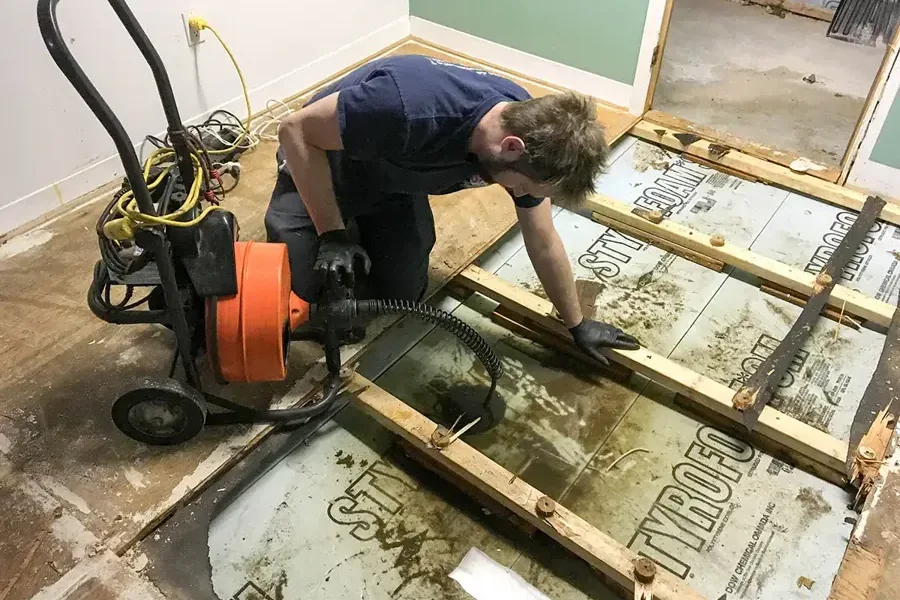 Sewage Backup CleanupSewage backups get containment, protective gear, removal of soiled materials and disinfection before any drying begins.Service details
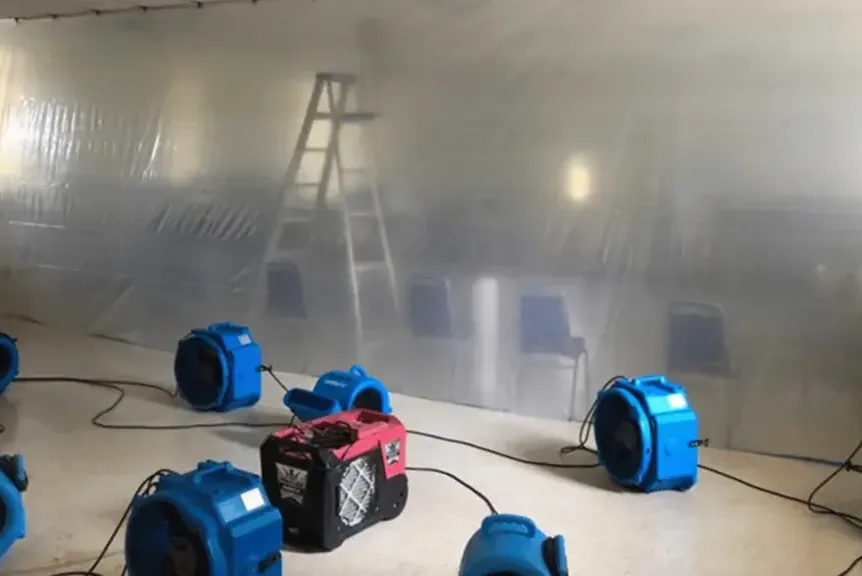 Commercial Water DamageShops, offices and school buildings get phased drying, tenant records and minimal disruption to neighbors.Service details
Drying work shaped by how local homes were built
The Census Bureau counts 23,887 housing units here with a median build year of 1984, so plenty of water heaters, supply pipes and roofs have worked for decades. The restoration team reads moisture first, then removes only what cannot dry in place, and writes the readings down.
Detached houses lead the mix, 17,865 of them, while 2,490 units sit in buildings of two or more, where one leak can reach the neighbors below.
Learn how the crew dries a home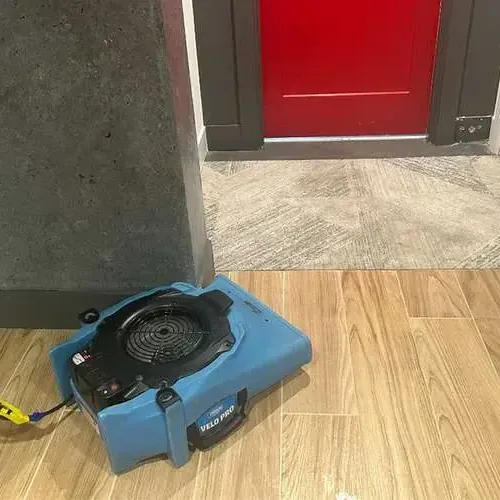
From first call to dry walls
Fast local response
Dispatch runs around the clock, so a burst pipe at night or a leaking heater on a weekend does not wait for morning.
Moisture mapping first
Readings come before demolition, so only drywall, subfloor and framing that are truly wet get opened up.
Dried to a standard
Air movers and dehumidifiers run to the S500 standard, with readings logged daily until each material reaches its dry goal.
Paperwork for the claim
Photos, moisture logs and equipment records are kept together so the insurance adjuster can follow what was wet and why.
Typical cost ranges for a water loss
Costs scale with the spread of the water, what it carried and which materials got wet, and the three tiers below show the usual ranges before the readings set the final scope.
One room, caught quickly
- Truck mounted extraction
- Air movers set in place
- Moisture readings each day
Several rooms or a ceiling
- Ceiling drywall removed
- Wall cavities injected and dried
- Contents moved aside
Contaminated or long-running
- Category 3 handling
- Pad and insulation disposal
- Desiccant drying where needed
Prices cover drying and removal only. Plumbing, roofing and rebuild work are quoted separately, and an adjuster confirms what insurance covers.
Clean, gray and black water explained
Category depends on where the water came from and how long it sat, and it decides what can be dried and what must go.
Category 1, clean
Broken supply pipes and failed hoses start clean, but time pushes it toward Category 2.
Category 2, gray
Washing machine and dishwasher discharge, an overflowing toilet without waste, or aged leak water carries bacteria and needs careful removal.
Category 3, black
Sewage, storm runoff and floodwater are grossly contaminated, so porous materials come out and surfaces get disinfected.
Sewage cleanup detailsFour stages from soaked to dry
- 1
Find where water went
A thermal camera and pin meters trace wetness through subfloor, wall bottoms and ceilings, so no damp spot hides behind finished surfaces.
- 2
Remove the water
Truck mounted pumps pull standing water from hard floors and carpet, and the pad is pressed or lifted if it cannot dry.
- 3
Place the equipment
Air movers, LGR dehumidifiers and drying mats go where the readings say, with wall cavities getting injected airflow when needed.
- 4
Check and record
Each visit adds new meter readings and humidity logs, and the equipment stays until every wet material reaches its dry goal.
Working with the insurance adjuster
Photos, meter readings and equipment logs are kept for every job, and they give the adjuster a clear record of what got wet and what was done. Homeowners policies often cover sudden leaks and bursts, and coverage depends on the policy language, so the claim itself stays between the owner and the insurer. Noting when the leak was found helps.
Equipment set up on a typical job
- Truck mounted extraction unit and wands
- LGR dehumidifiers pull moisture from the air
- Air movers aimed along wet walls and floors
- Thermal camera and pin moisture meters
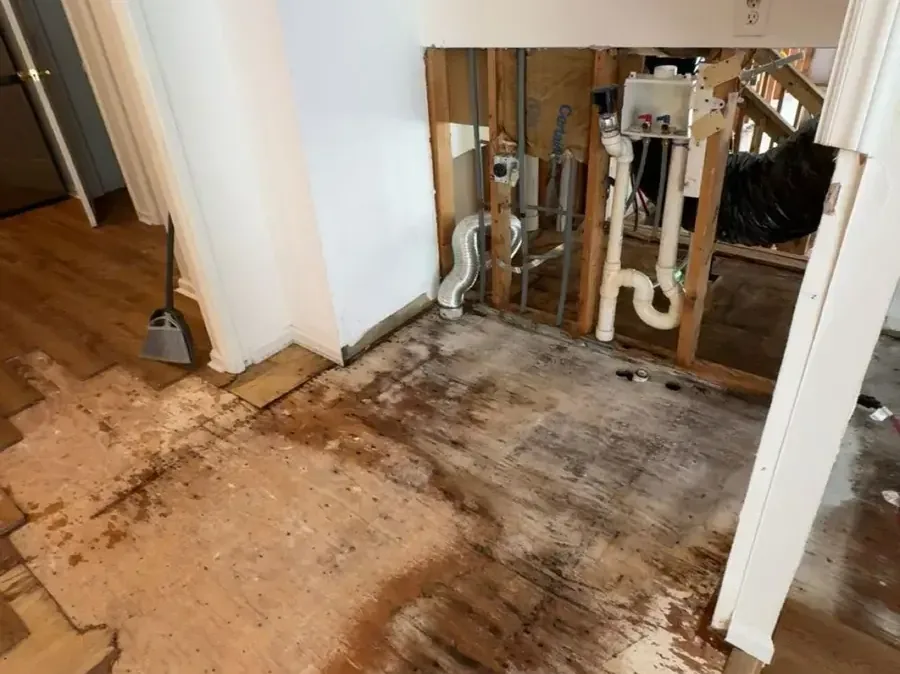
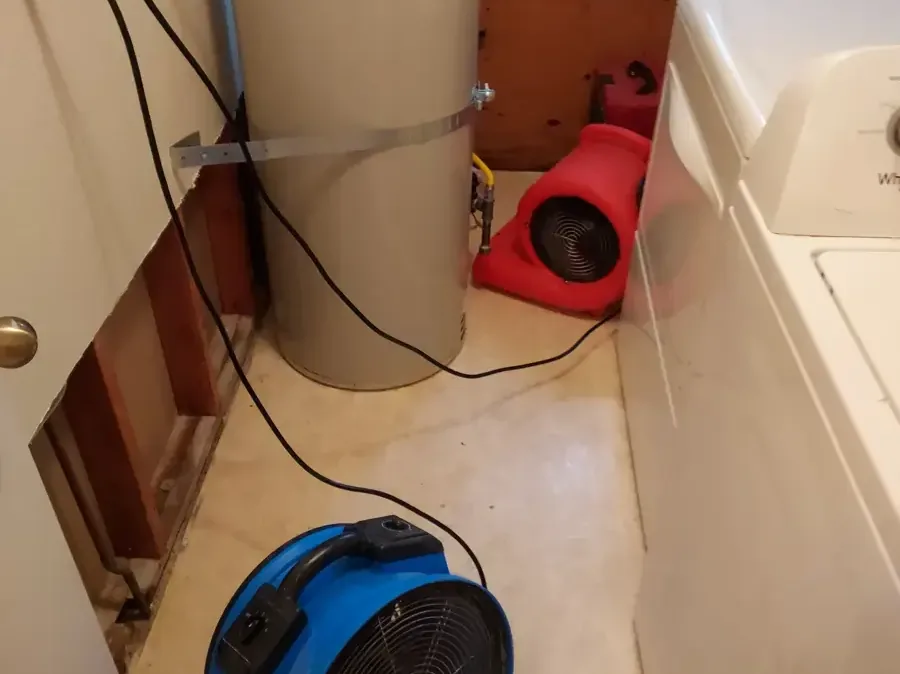
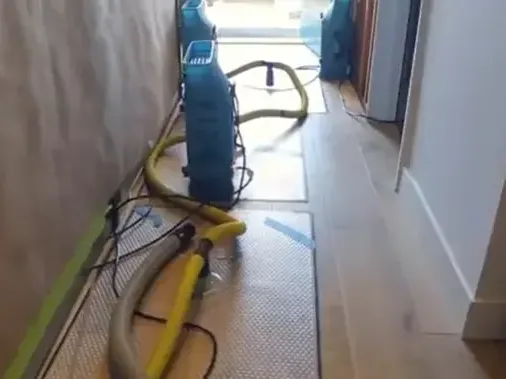
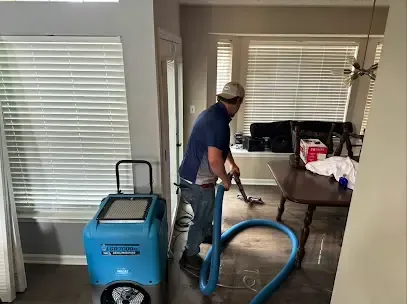
Drying equipment and opened walls at work
Water damage crews across Yorba Linda
Crews cover the city, from Savi Ranch to Hidden Hills and Locke Ranch.
ZIP codes covered
Service reaches 92886 and 92887, along with streets around Yorba Linda Boulevard, Savi Ranch and Imperial Highway.
Neighborhoods
Landmark areas
Main corridors
Reaching a drying crew from anywhere in the city
Dispatch covers the whole city at any hour, from detached houses and attached homes to retail centers and school buildings, with a crew assigned once the address and water source are known.


Where water trouble starts in Yorba Linda
Water losses here come from aging household plumbing, street main breaks, winter storms and sewer problems. Each one leaves a different kind of water, so the first question is always where it came from and how long it sat.
- In May 2026 an 8 inch main broke along Rose Drive, flooding at least five yards, and about 47 homes lost service for hours.
- In April 1996 a 15 inch main ruptured on Bastanchury Road and sent water through a garage and out the back door.
- Storm days add water too, with 3.59 inches of rain on January 22, 2017 and flooding and road debris from the January 2023 atmospheric river.
- In late November 2008, after the Freeway Complex Fire, officials gave out thousands of sandbags and named the Chino Hills State Park slopes the top mudslide threat.
Water damage questions answered
What should be done first after a leak starts?
Shut the main valve, cut power to wet rooms and take photos. Calling a drying crew soon matters, because wet drywall and subfloor start to deteriorate within a day or two, and mold can follow.
Who handles a water main break in the street?
The Yorba Linda Water District takes calls for main breaks, hydrant leaks and service breaks between the meter and the street at any hour. Water that gets into a home or garage is a separate cleanup job.
Who is responsible for pipes inside the property?
The owner is responsible for plumbing on the customer side of the water meter, including interior pipes, outdoor irrigation and the connection to the meter. The district covers the street side, including the mains.
Does a pressure regulator matter for leaks?
A local ordinance calls for a regulator in homes where pressure runs above 80 pounds per square inch, and the homeowner maintains it. A failed regulator can stress fittings and hoses until one lets go.
Can wet hardwood or carpet be saved?
Often yes, when drying starts early. Hardwood is dried with mats and sometimes desiccant units, carpet can be dried in place or pulled and reinstalled, but pad that held dirty water is discarded.
What happens when a sewer pipe backs up?
Sewage is Category 3, so the crew contains the area, removes affected flooring and lower drywall, and disinfects before drying. The owner maintains the lateral from the house to the sewer main.
How long does drying usually take?
Most structures reach their dry goals in three to five days, though wet hardwood, concrete slab and thick walls can need longer. Daily readings decide when the equipment comes out.
Does the team work with commercial properties too?
Yes. Retail centers, offices, schools and multi unit buildings get phased containment, separate drying zones and tenant by tenant records, so a leak in one suite does not shut down the rest.
What does a leak upstairs mean for neighbors below?
Water follows framing and pipe chases downward, so the ceiling and walls in the unit below often need readings too. Documenting both units early helps the adjusters sort out responsibility.
Is a permit needed for water heater or roof work?
The City's Building Division requires permits for water heaters, roof repairs and reroofing, plumbing and air conditioning work. Drying comes first, and the repair contractor handles those permits.
Soaked floors need drying, not just mopping
A restoration team can start with a call about the source, the affected rooms and any standing water, then build a drying plan around the readings rather than guesses.