Storm & Flash Flood Cleanup in Brea, CA
Winter storms can drop heavy rain on the hills in a few hours, sending runoff and mud toward garages and lower walls. The restoration crew treats that water as contaminated, removes it and dries the structure.
(888) 563-9619Runoff in the garage? Call the crew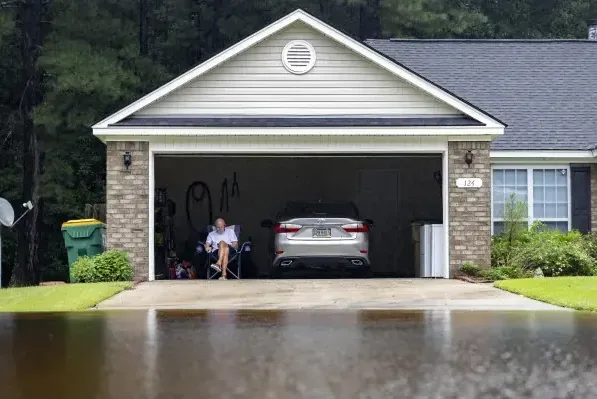
First moves when storm and flood cleanup starts
- Stay out of moving water
Do not walk or drive through runoff; it hides debris and can carry a car.
- Cut power safely
Switch off power to flooded rooms only if the panel is dry and you are not standing in water.
- Keep children and pets away
Storm water is contaminated, so keep everyone off wet floors.
- Photograph the high-water mark
Shoot every room and the outside entry point before cleanup.
How the crew handles storm and flood cleanup
Contaminated from the start
The mitigation team handles storm runoff as Category 3, with protective gear and containment in place before any removal starts.
Mud out, then water
The crew shovels and squeegees silt first, then the extraction crew pulls the remaining water.
Flood cuts above the mark
The crew cuts drywall and insulation out above the high-water mark so the framing can be cleaned and dried.
Documenting the storm
The tech who does the walkthrough photographs the high-water mark, the entry point and every removed material for the claim file.
What does storm and flood cleanup cost in Brea, CA?
Storm and flash flood cleanup typically runs $3,000 to $20,000 or more, depending on how many rooms took water, how much mud came in, how high the water rose on the walls and how long it sat.
Garage or one room
- Mud and water removal
- Lower drywall cut out
- Antimicrobial and drying
Several rooms
- Carpet and pad disposal
- Flood cuts throughout
- HEPA air scrubbing
Whole slab level
- Full Category 3 removal
- Contents pack-out
- Structural drying
Typical ranges, not a quote. The water damage cost calculator gives a planning figure; the firm number follows the on-site moisture map.
Most rain here falls in a handful of winter storms. When an atmospheric river stalls over Southern California, the Puente and Chino Hills shed water fast, streets fill and runoff finds the lowest door, often a garage or a slab-level room on a hillside lot.
Why storm water is Category 3
Water that crosses lawns, streets and slopes carries soil, oil, fertilizer and sometimes sewage from overwhelmed systems. The mitigation team treats it as Category 3 from the start, removing the carpet, pad and lower drywall it touched instead of drying them.
- Mud and silt shoveled and extracted first
- Flood cuts above the high-water mark
- EPA-registered antimicrobial on cleaned framing
- Drying with air movers and LGR dehumidifiers
Hillside and canyon homes
Homes in Olinda Ranch and along Carbon Canyon sit below steep slopes, and the flats near Brea Creek collect runoff from above. Flood-control dams hold back the largest flows, but street and yard runoff still reaches homes during intense rain. Storm water that backs up a drain is handled like a sewage backup.
FloodSmart.gov explains flood insurance, which standard homeowner policies do not include, and the National Weather Service flood safety page covers staying safe while water is still moving.
The storm and flood cleanup process, start to finish
- 1
Make it safe
The crew confirms power is off and sets containment.
- 2
Remove mud and water
The extraction crew clears mud and water with squeegees and extractors.
- 3
Strip and treat
The mitigation team removes porous materials and applies antimicrobial.
- 4
Dry and verify
The drying team runs air movers and dehumidifiers until readings say dry.
Storm and Flash Flood Cleanup across Brea and nearby towns
The restoration crew covers ZIP codes 92821, 92822 and 92823, from Birch Street downtown and the central tracts out to Olinda Ranch, Blackstone, La Floresta and the homes along Carbon Canyon Road.
Coverage also reaches Fullerton, La Habra, La Habra Heights, Placentia, Yorba Linda, Diamond Bar, Chino Hills and Rowland Heights.
Every neighborhood and ZIP in the service areaStorm and Flash Flood Cleanup questions
Does homeowners insurance cover storm flooding?
Standard homeowner policies usually exclude flooding from surface water, which needs a flood policy. Rain coming through a storm-damaged roof can be treated differently. Coverage depends on your policy, so check with your own insurer.
Why does flooded drywall have to come out?
Storm runoff is Category 3 water. Drywall, insulation, carpet and pad it touched hold contamination, so they get removed instead of dried.
Can a concrete garage floor be cleaned and dried?
Yes. Sealed concrete gets cleaned, treated and dried, while the drywall and stored items it touched are handled by category.
How long does storm cleanup take?
Mud removal and tear-out usually take one to two days, and drying runs several more. The drying team goes by readings.
What about mud piled against the outside wall?
Mud against the house keeps the wall base wet. Clearing it and restoring drainage away from the foundation helps the inside dry.
Is it safe to stay in the house?
Rooms that took storm water should stay closed off until cleanup and drying are done, with children and pets kept away from wet areas.
Storm water inside the house?
The restoration crew removes the mud and water, cuts out what the runoff touched and dries the framing to the IICRC S500 standard.