Appliance Leak Water Damage in Brea, CA
A burst washer hose, a dishwasher leak or a cracked ice-maker tube soaks the floor, the cabinets and the wall behind them. The extraction crew removes the water and the drying team dries what sits underneath.
(888) 563-9619Appliance leaking? Call for water removal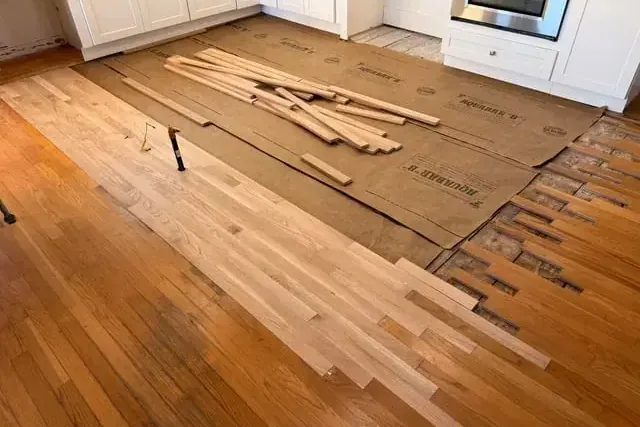
First moves when appliance leak water damage starts
- Shut the valve
Close the supply valve behind the appliance, or the main shutoff.
- Unplug safely
Unplug the appliance only if the outlet and your feet are dry; otherwise use the breaker.
- Pull it out if you can
Sliding a washer or fridge out from the wall shows where the water came from.
- Keep the failed part
Photograph the hose or part and keep it; it matters for the claim.
How the crew handles appliance leak water damage
Find the failed part
The response team identifies the failed hose, gasket or tube so the supply stays off and the right category is set.
Under the cabinets
The drying team opens toe-kicks and dries the space under cabinets instead of pulling them out when readings allow.
Floors by type
The crew lifts laminate that swells at the seams, dries tile in place and sets floor mats on hardwood.
Two levels when needed
For upstairs laundry rooms, the mitigation team checks the ceiling and walls below and dries both levels.
What does appliance leak water damage cost in Brea, CA?
Appliance leak water damage restoration typically runs $600 to $5,000, depending on whether water stayed in one room, got under cabinets or flooring, or reached a ceiling below, and whether it was clean or gray water.
One room floor
- Extraction
- Baseboard checks
- Air movers
Cabinets and flooring
- Toe-kicks removed
- Under-cabinet drying
- Laminate or pad lifted
Upstairs laundry leak
- Ceiling below opened
- Two-level drying
- Category 2 cleaning
Typical ranges, not a quote. The water damage cost calculator gives a planning figure; the firm number follows the on-site moisture map.
Appliance leaks start in tight spaces: behind the washer, under the dishwasher, behind the refrigerator or inside the sink base. Water runs under cabinets and flooring before anyone sees it, and in upstairs laundry rooms it reaches the ceiling below.
Common appliance sources
- Rubber washing machine hoses that split with age
- Dishwasher door gaskets, pumps and drain hoses
- Plastic ice-maker tubes behind the refrigerator
- Sink and faucet supply hoses in cabinets
Cabinets and floors
Kitchen and laundry cabinets sit on the floor with a hollow toe-kick, so water hides underneath. The drying team removes toe-kicks or drills small holes to push dry air under the cabinets, and checks laminate, tile and hardwood floors for water that traveled underneath.
The U.S. Consumer Product Safety Commission lists appliance recalls, and EPA WaterSense explains how to check supply connections for slow leaks.
Clean or gray water
A supply hose leak is clean water. A washer or dishwasher drain leak is gray water, Category 2, so the crew usually removes wet pad and porous materials it reached and cleans surfaces before drying.
The appliance leak water damage process, start to finish
- 1
Stop and extract
The crew shuts the valve and removes standing water.
- 2
Map hidden water
The tech reads under cabinets and flooring with meters.
- 3
Open and set
The drying team opens toe-kicks and sets air movers and dehumidifiers.
- 4
Verify
The mitigation team logs readings until cabinets and subfloor read dry.
Appliance Leak Water Damage across Brea and nearby towns
The restoration crew covers ZIP codes 92821, 92822 and 92823, from Birch Street downtown and the central tracts out to Olinda Ranch, Blackstone, La Floresta and the homes along Carbon Canyon Road.
Coverage also reaches Fullerton, La Habra, La Habra Heights, Placentia, Yorba Linda, Diamond Bar, Chino Hills and Rowland Heights.
Every neighborhood and ZIP in the service areaAppliance Leak Water Damage questions
How often should washer hoses be replaced?
Rubber hoses wear out with age. Many plumbers suggest braided stainless hoses and a look every few years.
Do kitchen cabinets have to come out?
Not usually. The drying team can dry under cabinets through the toe-kick or small holes, though cabinets swollen or delaminated by water may need replacing.
Is dishwasher water clean?
Supply water is clean, but water from the drain side is gray water, Category 2, and gets more removal and cleaning.
Can laminate flooring be dried?
Laminate that swells at the seams usually has to be replaced. Tile and some hardwood can be dried in place.
Is appliance leak damage covered?
Sudden leaks are often covered, while the failed appliance part usually is not. Coverage depends on your policy, so check with your own insurer.
How long does drying take?
Most single-room appliance leaks dry in two to four days. Water under cabinets or hardwood takes longer.
Appliance leak soaking the floor?
The extraction crew removes the water, the drying team dries cabinets, floors and walls to a measured goal and records every reading.