Water Damage Restoration Villa Park, CA
Most Villa Park homes are detached houses on big lots, so a slow leak or a flooded garage can spread far before anyone sees it. The drying team extracts water, maps moisture and sets equipment from the first visit.
(888) 563-9619Tell a drying specialist what got wet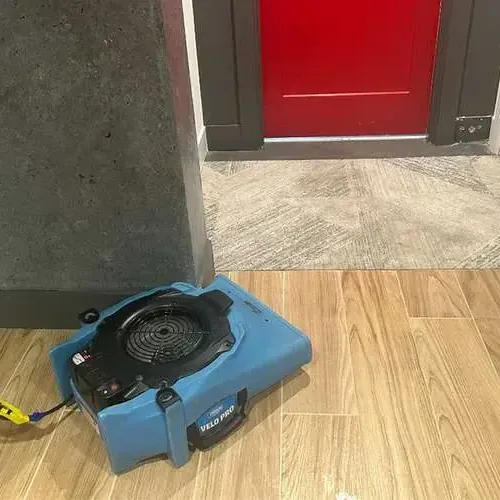
Four steps to take before the crew starts
- 1
Shut the main valve or the fixture valve, and stay away from outlets and the electrical panel if the floor is wet.
- 2
Lift small items, rugs and cushions off wet floors, but leave heavy furniture standing until the crew has checked it.
- 3
Take photos of the wet areas and damaged belongings, and keep receipts for any emergency repairs along the way.
- 4
Keep people and pets out of any water that came from a drain, a toilet or the street.
Water damage services for local homes and shops
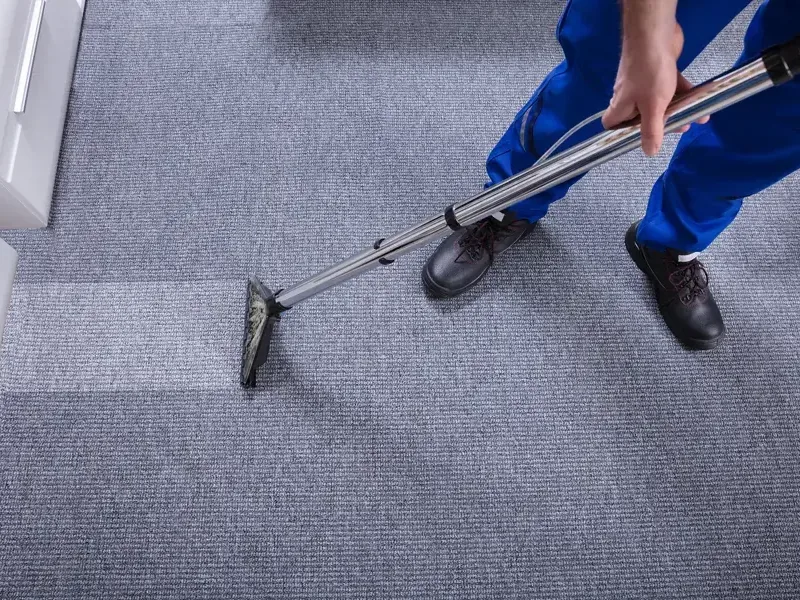 Water Extraction & RemovalTruck-mounted extraction removes standing water from carpet, tile and wood before it wicks upward.See the work and cost range
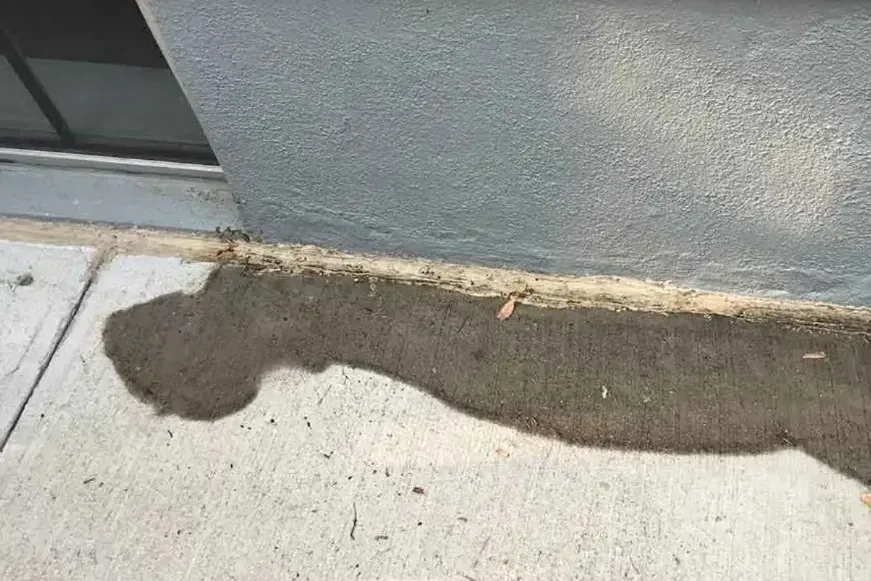 Slab Leak Water DamageMoisture mapping traces water rising through a concrete slab, and the flooring above is dried with it.See the work and cost range
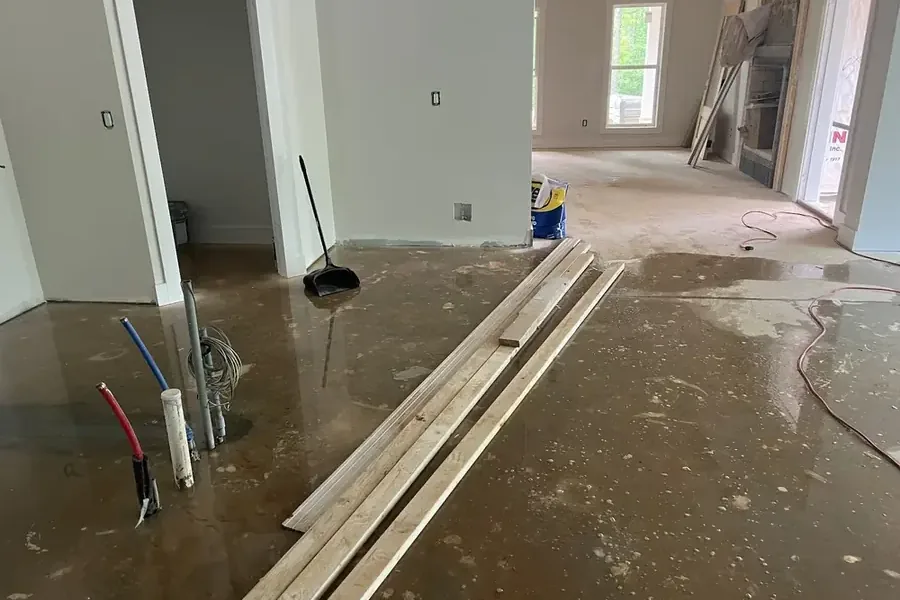 Pinhole Leak Water DamageTiny supply pipe leaks soak wall cavities in secret, and thermal imaging finds the wet studs and drywall.See the work and cost range
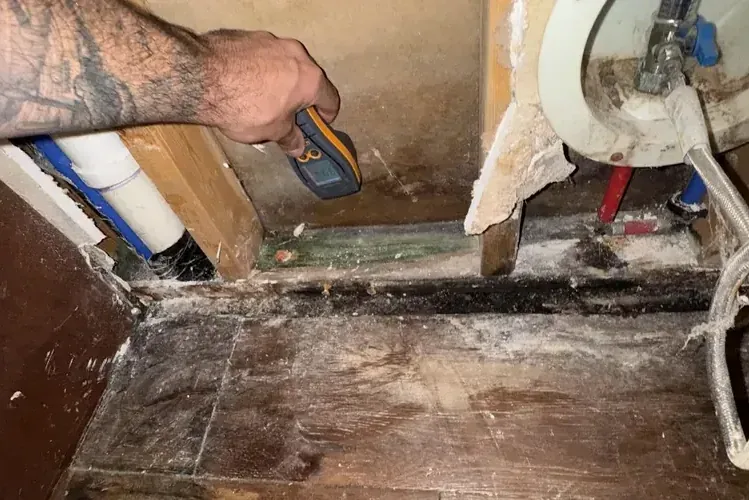 Burst Pipe Water DamageA split pipe floods rooms quickly, and extraction plus cavity drying protect ceilings, walls and floors.See the work and cost range
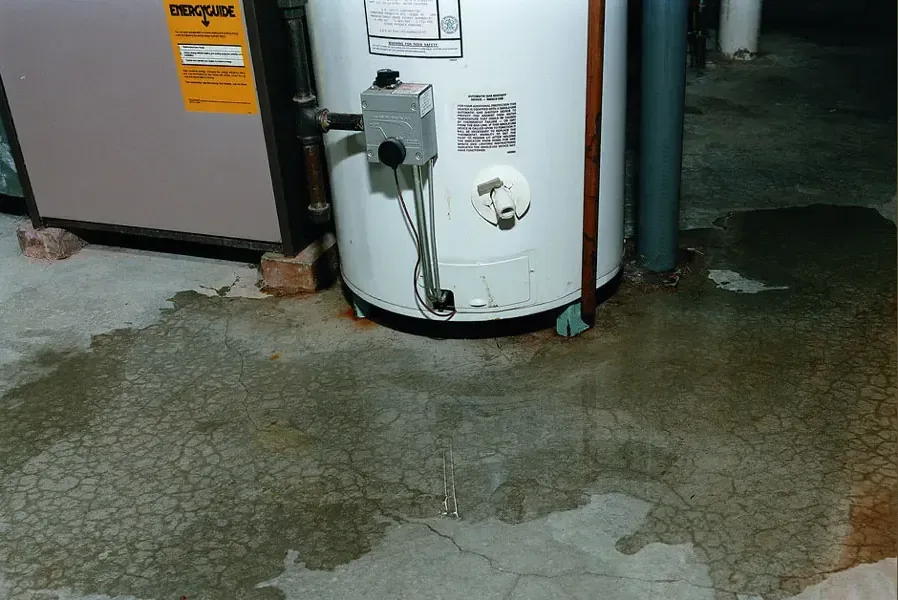 Water Heater Leak CleanupA failed tank can flood a garage floor or closet, so water is pumped out and wall bases are checked.See the work and cost range
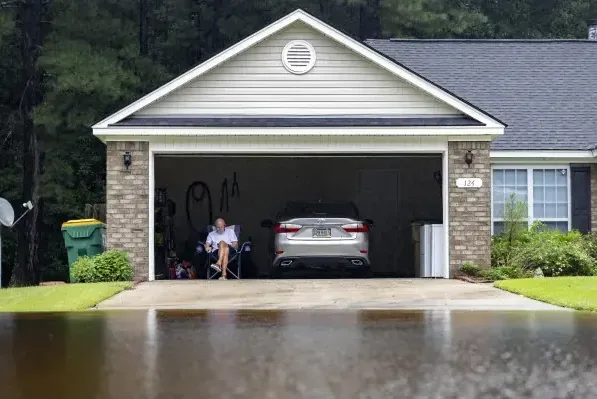 Storm & Flash Flood CleanupStreet runoff and creek water bring mud and contamination that call for full removal and disinfecting.See the work and cost range
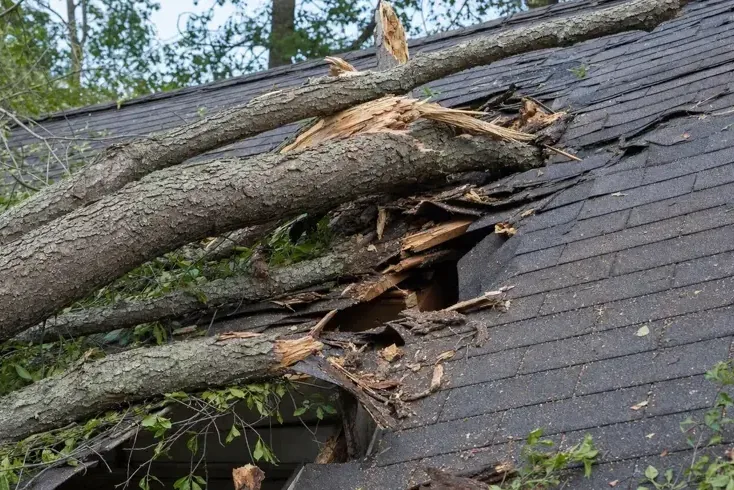 Roof Leak Water DamageRain through a damaged roof wets insulation and ceilings, and attic plus room drying stops the spread.See the work and cost range
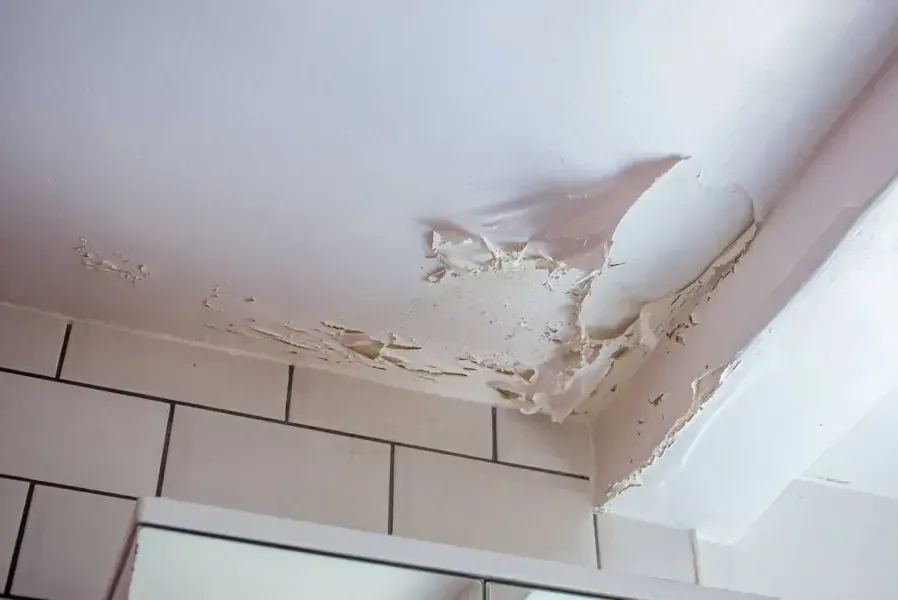 Ceiling Leak Water DamageStained or sagging ceilings are opened where needed, then joist bays and the room below are dried.See the work and cost range
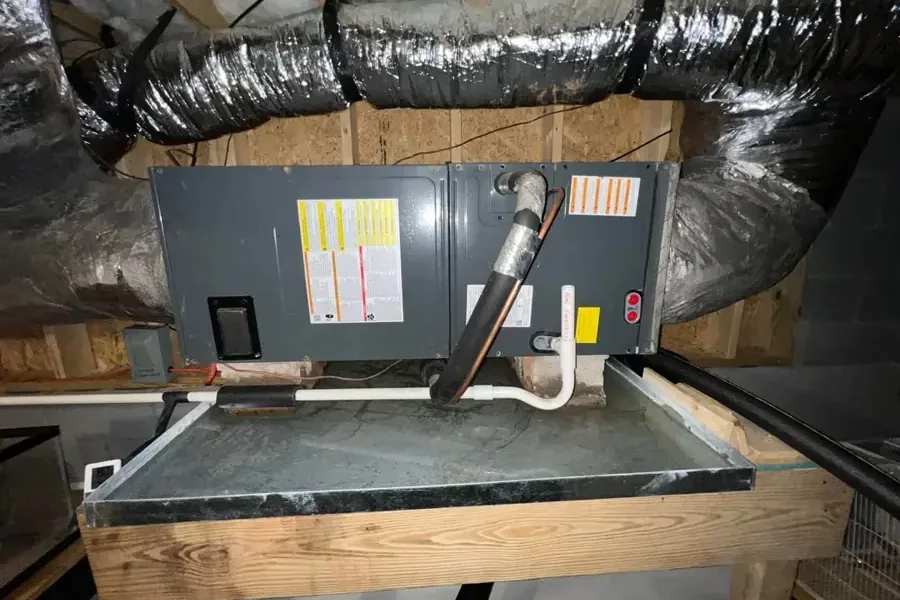 AC Condensate Leak Water DamageA clogged condensate drain can stain a ceiling or soak a closet, so wet materials are dried in place.See the work and cost range
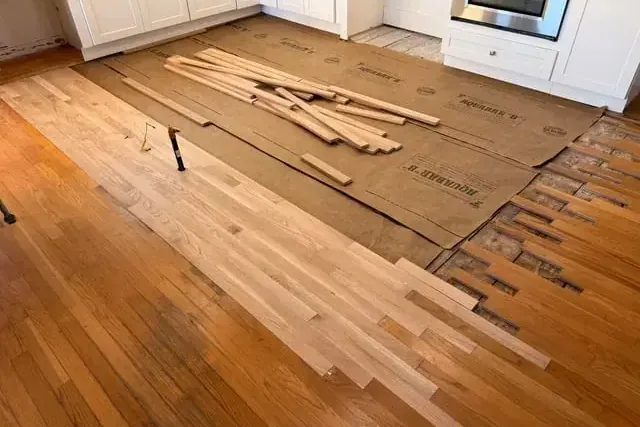 Appliance Leak Water DamageWasher, dishwasher and refrigerator hoses spill under cabinets, so toe-kicks come off for drying.See the work and cost range
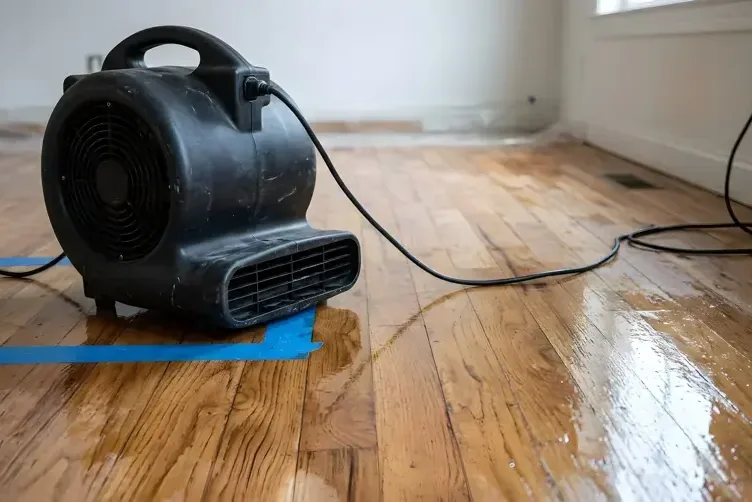 Hardwood Floor Water DamageCupping boards are dried with floor mats and desiccant units, saving the wood where it can be saved.See the work and cost range
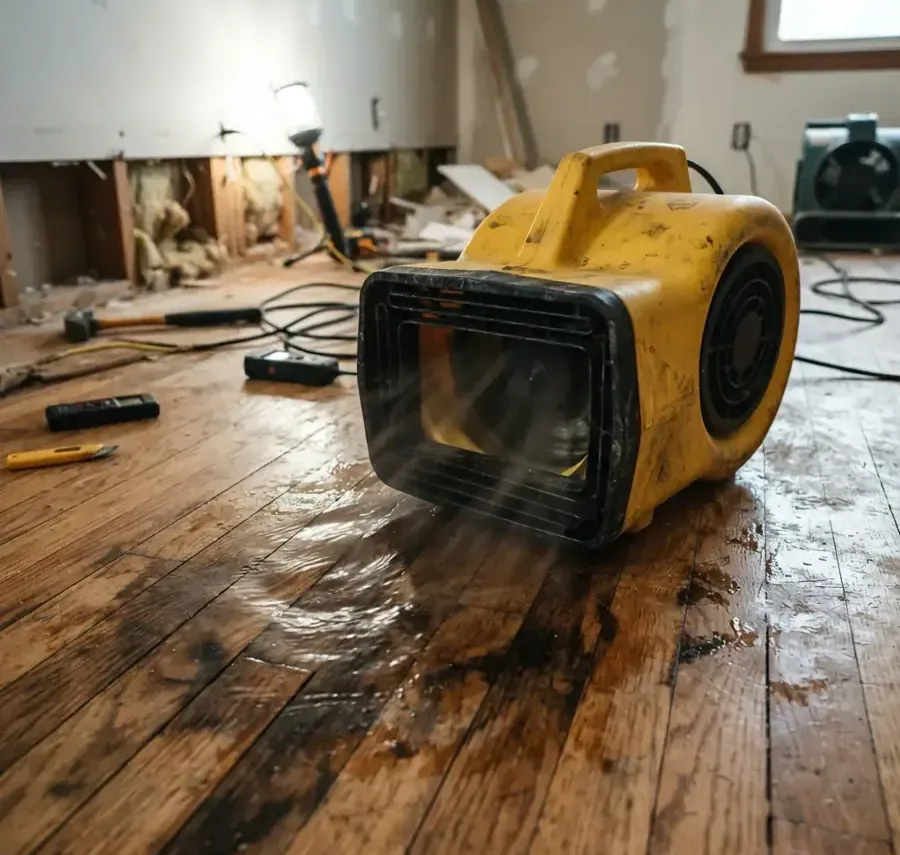 Structural Drying & DehumidificationAir movers, dehumidifiers and daily readings bring walls, floors and framing back to a dry standard.See the work and cost range
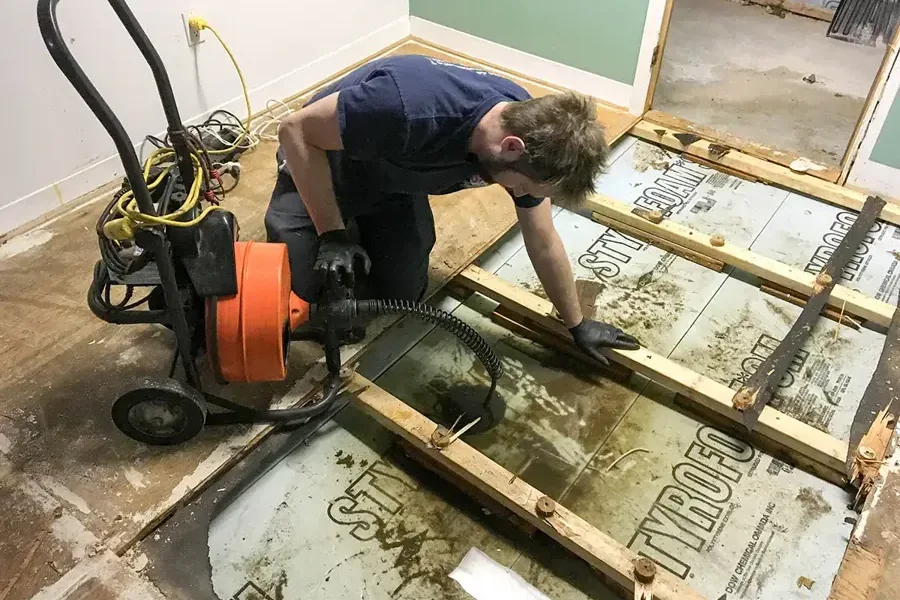 Sewage Backup CleanupBacked-up drains need containment, protective gear, removal of porous materials and antimicrobial cleaning.See the work and cost range
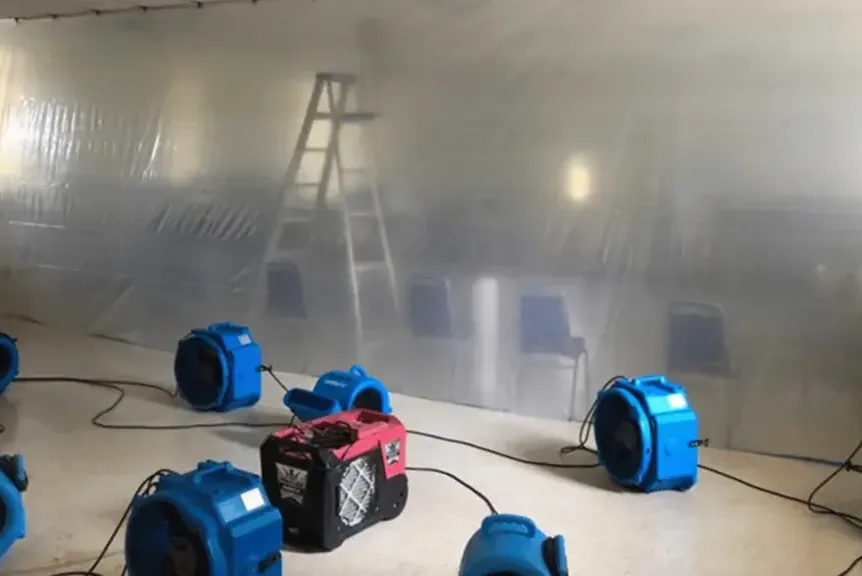 Commercial Water DamageShops and offices around the Town Center get phased drying that keeps tenants working.See the work and cost range
Drying work fitted to Villa Park's detached homes
Villa Park is the smallest city in Orange County, and about 99 percent of it is developed with single-family homes. That means most losses start inside one house, and the team traces the source before any equipment goes down, using water extraction as the usual first step.
The median home was built in 1974, winter storms test roofs and garages, and the Santiago Creek side of the city raises flood questions that get plain answers.
Read about water extraction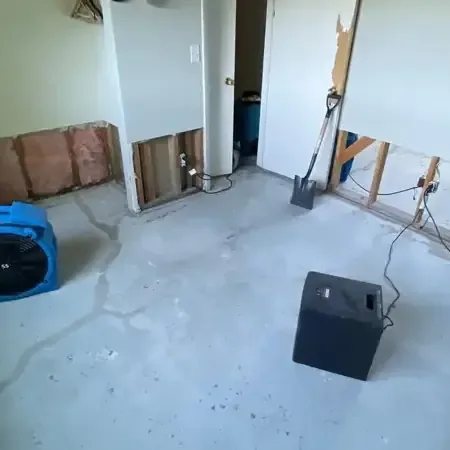
How a typical job unfolds
Fast local response
The response team listens for what is wet, where the source is and what has been shut off, then sends the right crew and equipment.
Honest scoping
Moisture readings and thermal images set the real scope, so the plan covers wet walls and subfloors, not only the visible stain.
Equipment that stays
Dehumidifiers and air movers keep running while the team returns for readings, and nothing leaves until the numbers say dry.
Clear records
Daily logs, photos and a written scope give the homeowner and the insurance adjuster the same facts to work from.
What water damage restoration usually costs here
A small loss caught early sits near the low end of $1,500 to $12,000, while contaminated or long-running water pushes toward the top. Moisture readings set the real number.
A single room, caught early
- Water extraction
- Drying in place
- Readings each day
Several rooms or a ceiling
- Ceiling drywall removed
- Wall cavities dried
- Contents moved to safe rooms
Contaminated or long-running
- Category 3 water handling
- Flood cuts and removal
- Extended drying checks
Ranges reflect typical jobs, and the written scope after moisture mapping sets the actual price, with any change explained before work continues.
Clean, gray and black water are handled differently
The source decides the category, and the category decides the protective gear, what gets removed and what can be saved.
Category 1, clean water
A broken supply pipe or a failed tank sends clean water that can often be dried in place when it is caught quickly.
Category 2, gray water
Washing machine or dishwasher discharge carries some contamination, so carpet pad and baseboard usually come out.
Category 3, black water
Sewage, creek-side floodwater and street runoff are grossly contaminated, so porous materials are removed and surfaces disinfected.
Sewage cleanup detailsHow a wet house is dried out
- 1
Find the wet areas
Thermal imaging and moisture meters trace water through floors, wall bottoms and ceilings, including spots that look dry to the eye.
- 2
Remove the water
Truck-mounted pumps and wands pull standing water, and soaked pad or drywall that cannot recover is cut out and bagged.
- 3
Place the equipment
Air movers and low-grain dehumidifiers go where the readings call for them, with injectors for wall cavities and mats for hard floors.
- 4
Check and record
The team returns each day, logs temperature, humidity and moisture content, and removes equipment only when materials reach target.
Records for the insurance claim
Adjusters want a clear record, so the team photographs every wet area and damaged item, keeps moisture readings and equipment logs, and writes the scope item by item. Homeowners should report the loss to their carrier promptly and ask which repairs need approval first. The insurance company makes the coverage decision, but organized paperwork keeps the claim moving along.
Equipment placed on every job
- LGR and desiccant dehumidifiers for hard to dry materials
- Axial and centrifugal air movers for floors and walls
- Thermal camera and moisture meters for readings
- HEPA air scrubbers and truck-mounted extractors
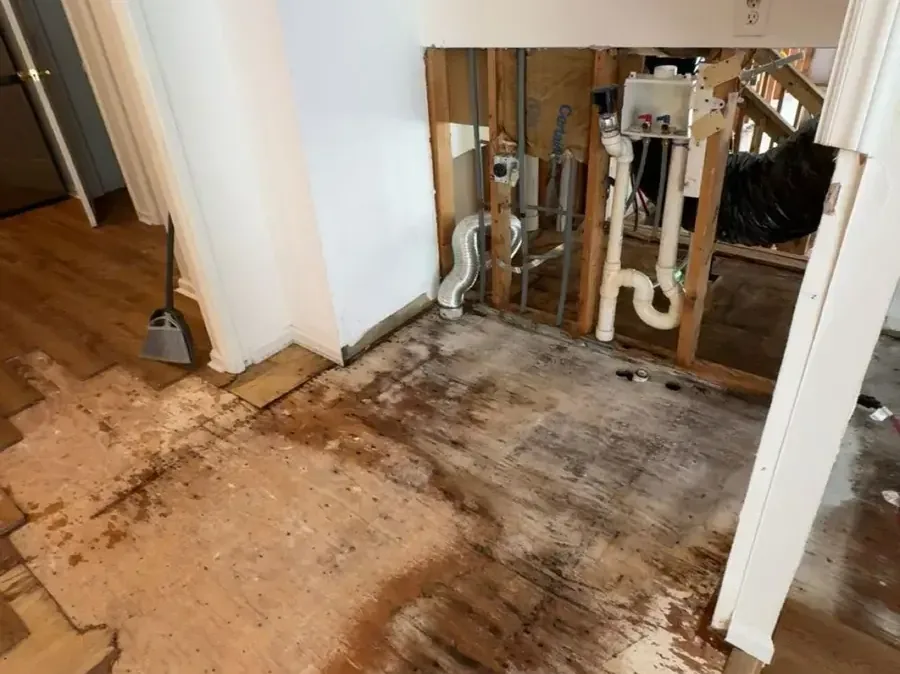
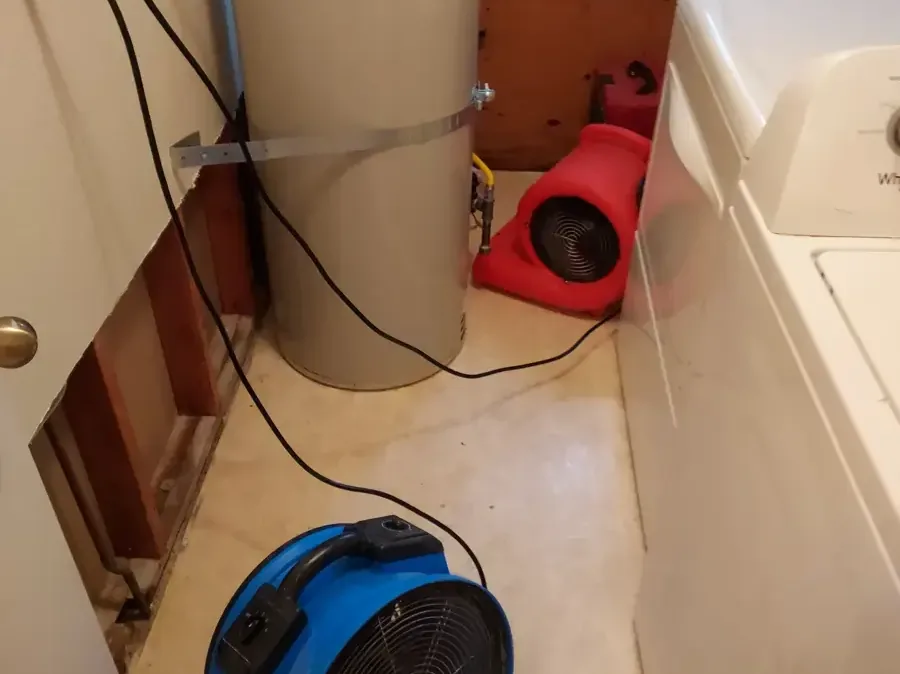
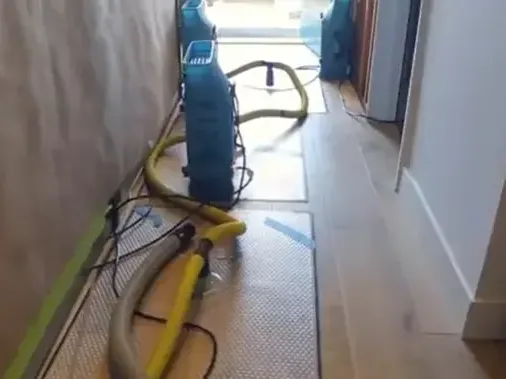
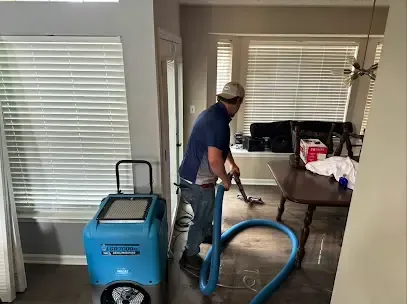
Examples of the drying work in progress
Where water damage crews work in Villa Park
Homes and businesses across the city, from The Orchards to the Town Center.
ZIP codes covered
Service runs to every address in ZIP code 92861, whether a house or a Town Center suite.
Civic and shopping core
Along the creek side
Main corridors
Water in the house? Talk to the drying team
The restoration team handles water, storm and sewage losses around the clock, and one conversation is enough to start planning extraction, drying and a written scope for the home.


What drives water damage in Villa Park homes
Villa Park is built almost entirely of single-family houses, with a median build year of 1974, and the city borders Santiago Creek on the southeast. Four risks matter most for a housing stock like this one.
- Plumbing is aging: the median home dates to 1974, and an estimated 968 were built in the 1970s, so supply pipes have decades behind them.
- Winter storms test roofs; February 4 to 8, 2024 brought 4 to 10 inches of rain to Orange County, according to the National Weather Service.
- Santiago Creek borders the city, some properties lie in designated flood hazard zones, and the city takes part in the National Flood Insurance Program.
- The city sewer was built primarily in the 1960s and 1970s and works with the Orange County Sanitation District, so a stoppage can back up indoors.
Villa Park water damage questions
How fast does water damage need to be dealt with?
Drywall, carpet pad and wood begin to swell and sour within a day, and mold can start growing in 24 to 48 hours, so extraction and drying should begin once the source is stopped.
Why does a small leak in a large house matter?
Water follows framing and slab edges, so a damp spot near a bathroom can reach a hallway or bedroom wall. Moisture mapping shows how far it actually traveled.
Is storm or creek water safe to clean up alone?
No. Floodwater from streets or Santiago Creek counts as Category 3 and can carry bacteria and debris, so the crew removes soaked porous materials and treats what stays.
Does homeowners insurance cover the damage?
Coverage depends on the policy and the cause. Sudden pipe and appliance failures are often covered, while flood coverage through the National Flood Insurance Program is a separate policy from standard homeowners insurance.
Can the crew work inside a Town Center suite?
Yes. Commercial jobs run in phases, with containment and drying zones that let neighboring tenants keep working, and records are kept suite by suite for owners and carriers.
What should be done when a drain backs up?
Stop using water, keep people and pets away, and skip the household vacuum. Sewage is Category 3, so sewage backup cleanup starts with containment and removal before any drying.
How is the damage priced?
Pricing follows the area affected, the water category and the drying time. Ranges start near $1,500 for one room and reach $12,000 or more for contaminated or multi-level losses.
Can older plumbing be the hidden cause?
Yes. With a median build year of 1974, supply pipes and water heaters are often well into their service lives, and a pinhole leak can soak a wall cavity unseen.
How long does the equipment keep running?
Drying commonly takes several days, and longer for hardwood, concrete slabs and dense framing. Daily readings, not the calendar, decide when equipment leaves.
Who handles permits for repairs after drying?
The Building Department issues permits and inspects work under the Building, Plumbing and Electrical Codes. The drying team documents moisture and demolition, and a contractor handles the rebuild.
Wet floors or walls? Do not wait
Water keeps moving through framing and flooring until it is stopped and dried. The restoration team in Villa Park can start the plan once the source is shut off.