Water Extraction & Removal in Brea, CA
Standing water spreads into pad, base plates and drywall within hours. The extraction crew pulls it out with truck-mounted units first, then the drying team sets equipment for what is left in the materials.
(888) 563-9619Get emergency water extraction started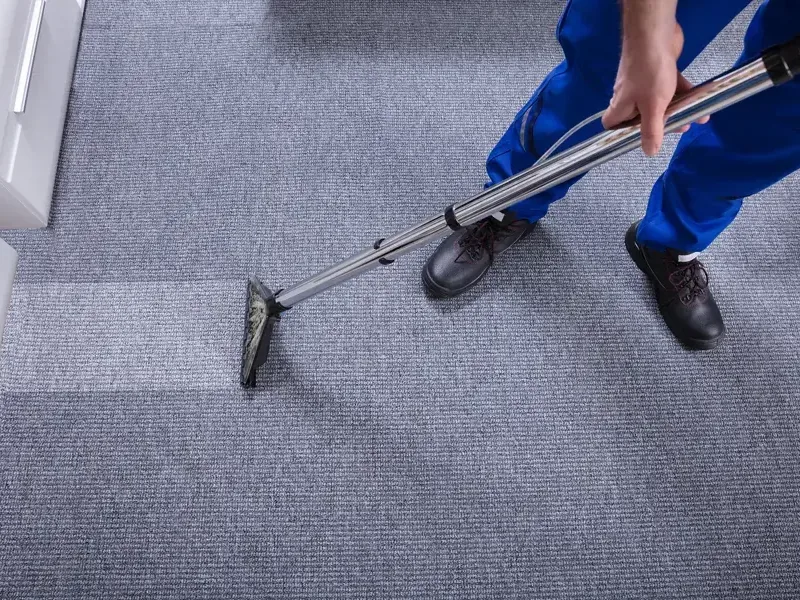
First moves when water extraction starts
- Stop the source
Close the main shutoff or the valve at the fixture so no new water feeds the floor.
- Keep power safe
Switch off breakers for wet rooms only if the panel is dry, and never unplug anything while standing in water.
- Lift what can stain
Move rugs, cords, boxes and wood furniture off the wet floor; foil under furniture legs helps.
- Photograph it
Take wide shots and close-ups of the high-water mark on walls and contents before cleanup starts.
How the crew handles water extraction
Moisture map first
The tech who does the walkthrough checks how far the water wicked before the extractor runs, so nothing wet gets missed under cabinets or behind trim.
Source and category decide the tools
Clean water from a supply pipe gets pulled and dried in place; with gray or black water, the crew removes contaminated pad and trim.
Weight on the pad
The extraction crew uses weighted tools that press water out of carpet and pad, a step a household wet vac cannot match.
Records from the start
The mitigation team photographs the standing water and logs the first readings for the claim file before anything is removed.
What does water extraction cost in Brea, CA?
Water extraction on its own typically runs $400 to $3,500, depending on the square footage, how deep the water stands, whether the pad is saved and the water category; drying is priced on top.
One room, clean water
- Truck-mounted extraction
- Pad pressed and checked
- Moisture readings
Several rooms
- Extraction room by room
- Pad removal where needed
- Baseboard moisture checks
Deep or contaminated water
- Category 3 handling
- Pad and carpet disposal
- Antimicrobial before drying
Typical ranges, not a quote. The water damage cost calculator gives a planning figure; the firm number follows the on-site moisture map.
Every gallon the extraction crew removes as liquid is a gallon the dehumidifiers never have to pull out of the air. That is why extraction comes before any drying equipment, whether the source is a slab leak in a single-story tract home or a split hose in an upstairs laundry.
Why extraction comes before drying
Liquid water comes out far faster with an extractor than by evaporation. Carpet and pad left full of water keep feeding moisture into baseboards and drywall, and the room stays humid enough to slow every later step.
- Truck-mounted units send the water to the truck, not to a floor drain
- Portable extractors reach upstairs rooms and condos
- Weighted or stand-on tools press water out of pad before it is lifted or saved
Carpet, tile, wood and slab floors
Each floor gives up water differently. Carpet and pad can sometimes be saved when clean water is caught early; pad soaked with gray or black water comes out. Tile and sealed concrete extract cleanly, but grout and the slab underneath keep reading wet, and hardwood needs extraction plus floor drying mats.
What happens right after
Once the standing water is gone, the tech who does the walkthrough maps what is still wet behind baseboards and under flooring with pinless meters and thermal imaging. That map sets the structural drying plan.
The EPA mold guidance explains why wet materials should dry within 24 to 48 hours. Ready.gov flood safety advice covers staying clear of wet outlets and appliances while water is still on the floor.
The water extraction process, start to finish
- 1
Find the edges
The tech marks where the water stopped spreading with meters and thermal imaging.
- 2
Pull the water
The extraction crew removes standing water and presses out the pad.
- 3
Lift or save
The crew decides by category whether pad and carpet stay or go.
- 4
Hand off to drying
The drying team sets air movers and LGR dehumidifiers at each room's load and reads them daily.
Water Extraction and Removal across Brea and nearby towns
The restoration crew covers ZIP codes 92821, 92822 and 92823, from Birch Street downtown and the central tracts out to Olinda Ranch, Blackstone, La Floresta and the homes along Carbon Canyon Road.
Coverage also reaches Fullerton, La Habra, La Habra Heights, Placentia, Yorba Linda, Diamond Bar, Chino Hills and Rowland Heights.
Every neighborhood and ZIP in the service areaWater Extraction and Removal questions
Can a shop vac do the same job?
A shop vac removes surface water slowly and leaves most of it in the pad. Truck-mounted extraction pulls far more water per pass and uses weighted tools to press water out of carpet and pad.
Can wet carpet be saved?
Often, if the water was clean and extraction starts early. Pad soaked by gray or black water, or carpet that sat wet for days, usually gets removed.
How long does extraction take?
Most single-room jobs take a few hours, and larger losses take longer. Drying the materials afterward takes days and is tracked with daily readings.
Does extraction work on tile and concrete?
Yes. Water comes off sealed tile and concrete quickly, but grout, the slab and the bottom of the walls still need meters and drying.
Is water extraction covered by insurance?
When the loss itself is covered, extraction is normally part of the mitigation scope. Coverage depends on your policy, so check with your own insurer.
What should be moved before the crew arrives?
If it is safe, move electronics, papers, rugs and anything that can bleed dye, such as wood furniture or printed boxes, off the wet floor.
Standing water in the house right now?
The extraction crew pulls it out with truck-mounted units, then the drying team dries the structure to the IICRC S500 standard and records every reading.