Water Damage Restoration Placentia, CA
Around-the-clock water damage restoration in Placentia, CA: the response team pulls standing water out of homes and suites, dries floors, walls and framing to a measured IICRC S500 goal and keeps every reading for the insurance file.
(888) 563-9619Floors soaking right now? Call the crew.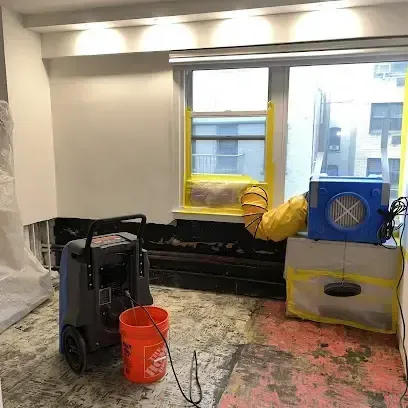
Steps to take while water is still spreading
- 1
Turn off the main shutoff, often where the supply pipe enters the house, or the valve at the curb meter box.
- 2
Leave breakers for soaked rooms off only if you can reach a dry panel safely, and keep clear of wet outlets.
- 3
Photograph each wet room, the source and damaged belongings before anything is moved or thrown out.
- 4
Get rugs, papers and electronics off the floor, then call. Mold can begin within 24 to 48 hours.
Water Damage Restoration Services in Placentia, CA
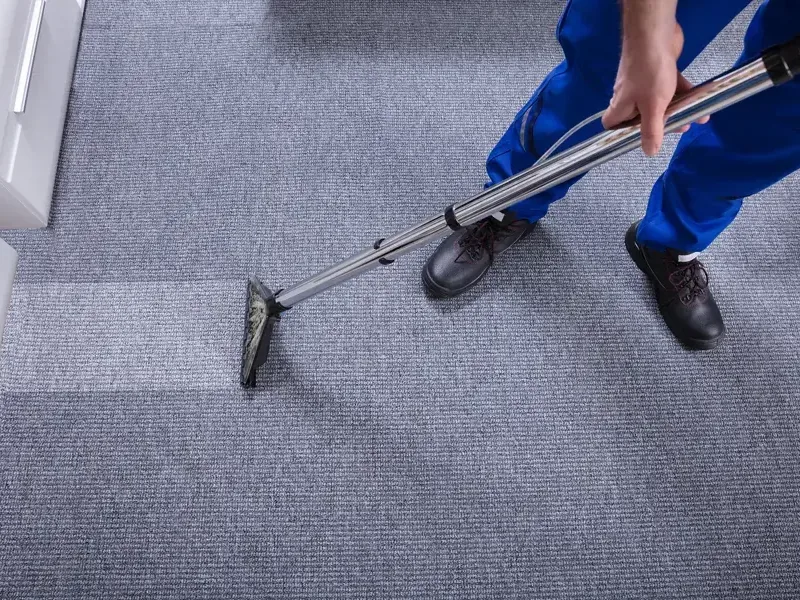 Water Extraction & RemovalStanding water removed with truck-mounted and portable extractors before it soaks into pad and drywall.How this loss is handled
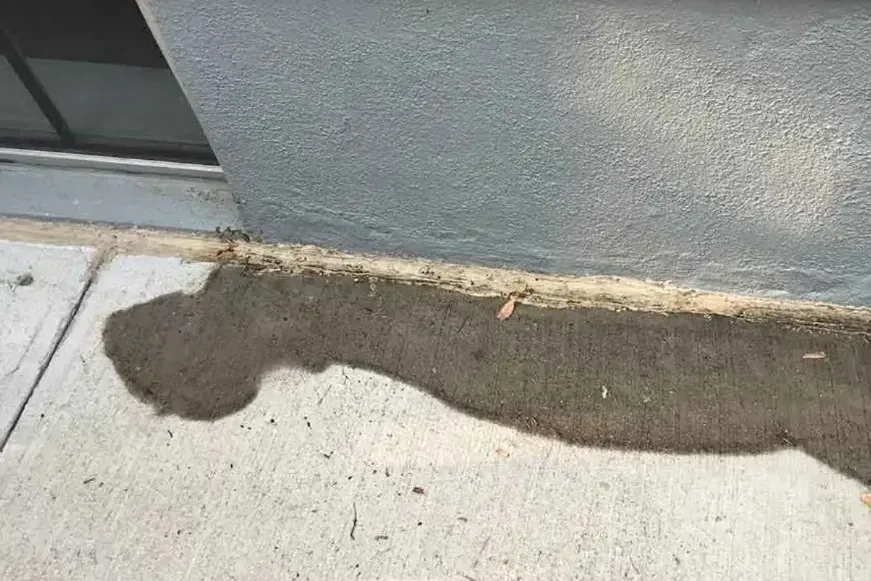 Slab Leak Water DamageLeaks in pipes under concrete floors mapped across the slab, with only the wet flooring lifted.How this loss is handled
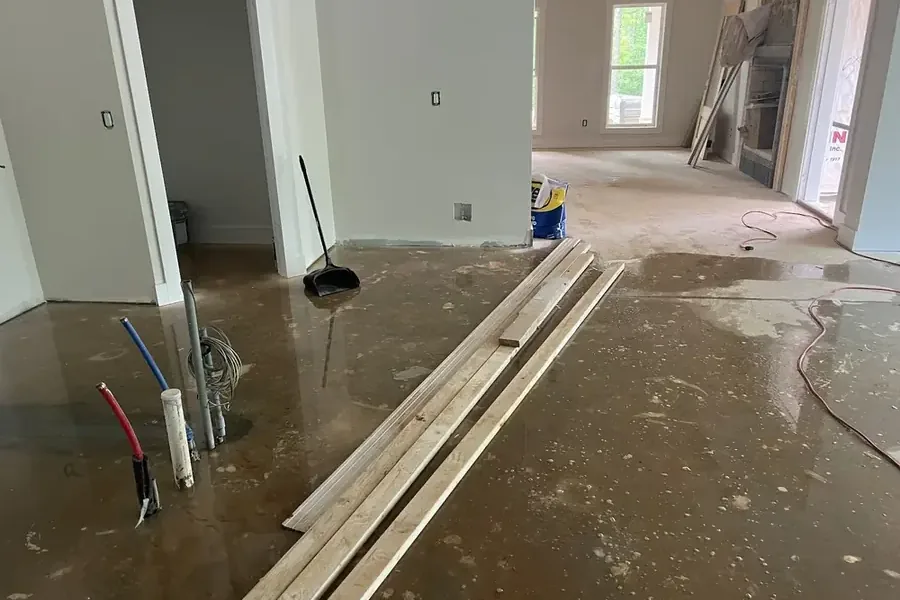 Pinhole Leak Water DamageSmall, slow copper leaks inside walls traced with thermal imaging and dried through small openings.How this loss is handled
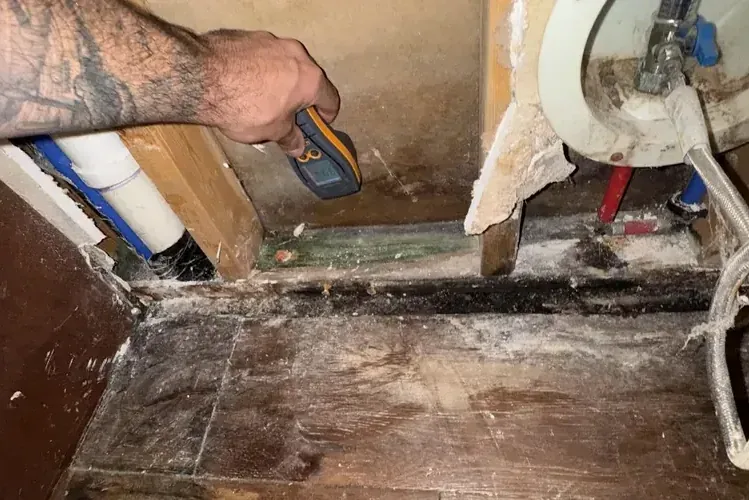 Burst Pipe Water DamageSplit pipes and failed fittings that flood several rooms fast, extracted and dried level by level.How this loss is handled
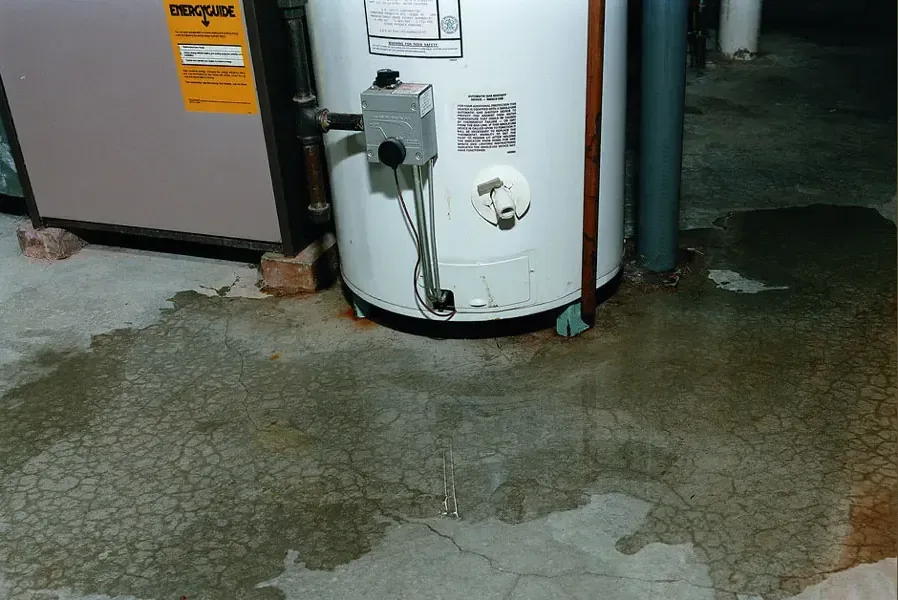 Water Heater Leak CleanupTank and fitting failures in garages and closets cleaned up before water reaches nearby rooms.How this loss is handled
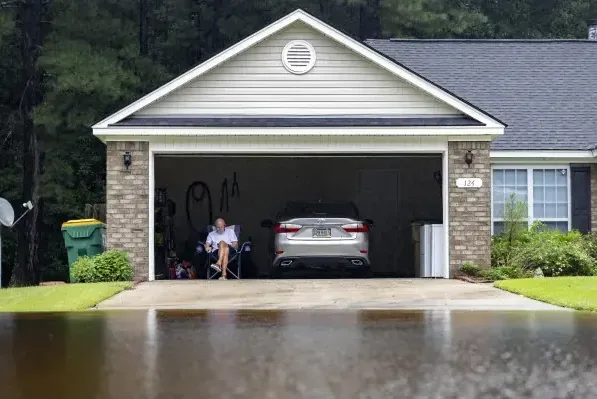 Storm & Flash Flood CleanupStreet and yard runoff from heavy winter rain, handled as Category 3 and fully dried out.How this loss is handled
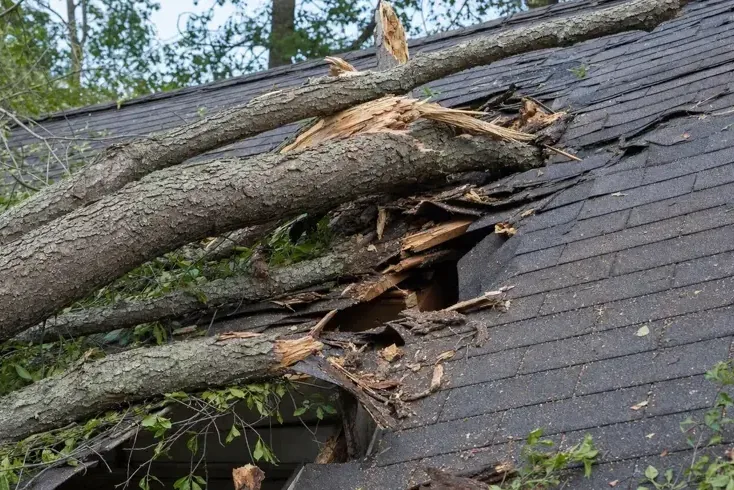 Roof Leak Water DamageRain past worn roofing and flashing, with wet attic insulation removed and ceilings dried.How this loss is handled
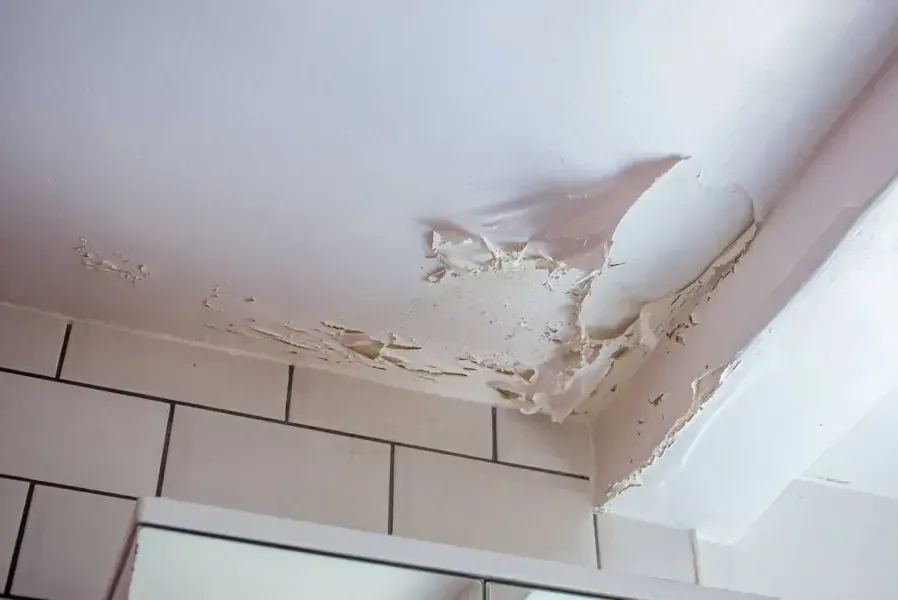 Ceiling Leak Water DamagePlumbing leaks from a bathroom or unit above, traced, opened safely and dried at the joists.How this loss is handled
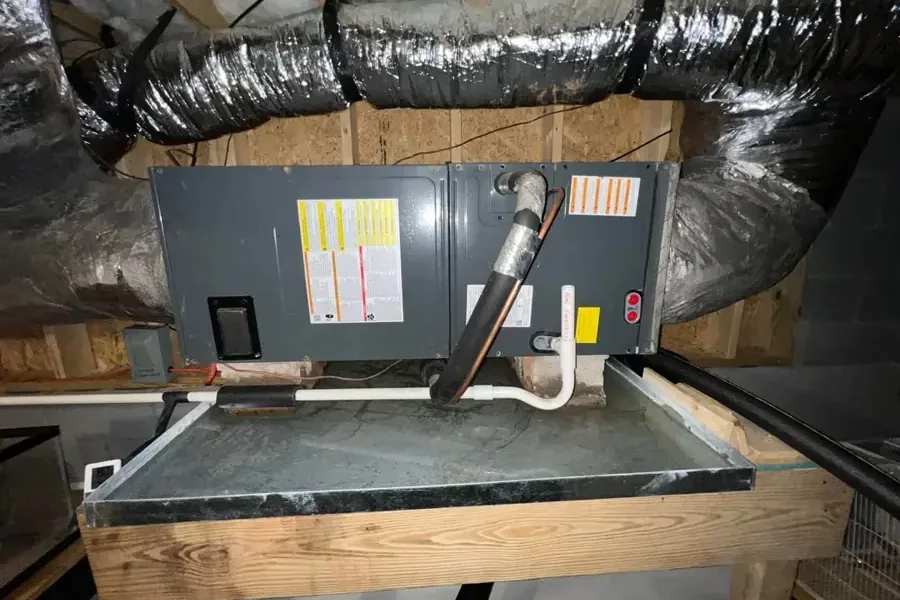 AC Condensate Leak Water DamageOverflowing condensate pans and clogged drains on air handlers that soak ceilings and closets.How this loss is handled
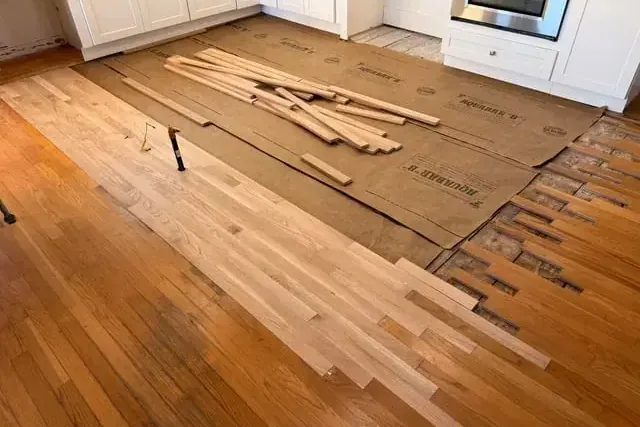 Appliance Leak Water DamageWasher, dishwasher and refrigerator hose failures dried out from under floors and cabinets.How this loss is handled
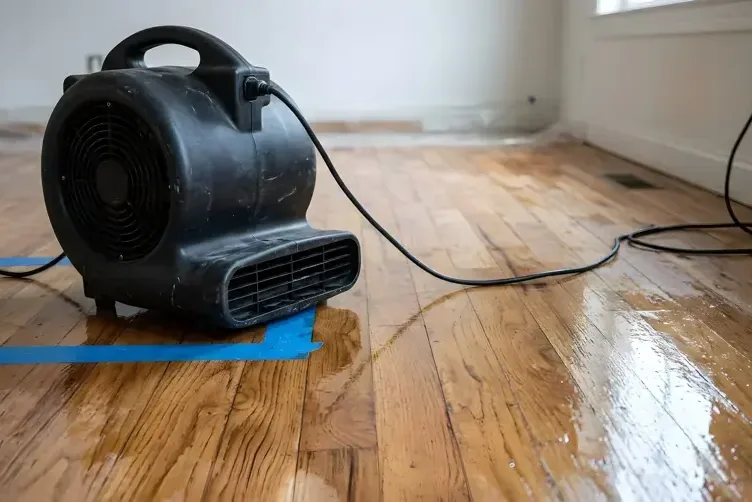 Hardwood Floor Water DamageWet, cupping wood floors dried with mat systems and dehumidifiers while boards are still worth saving.How this loss is handled
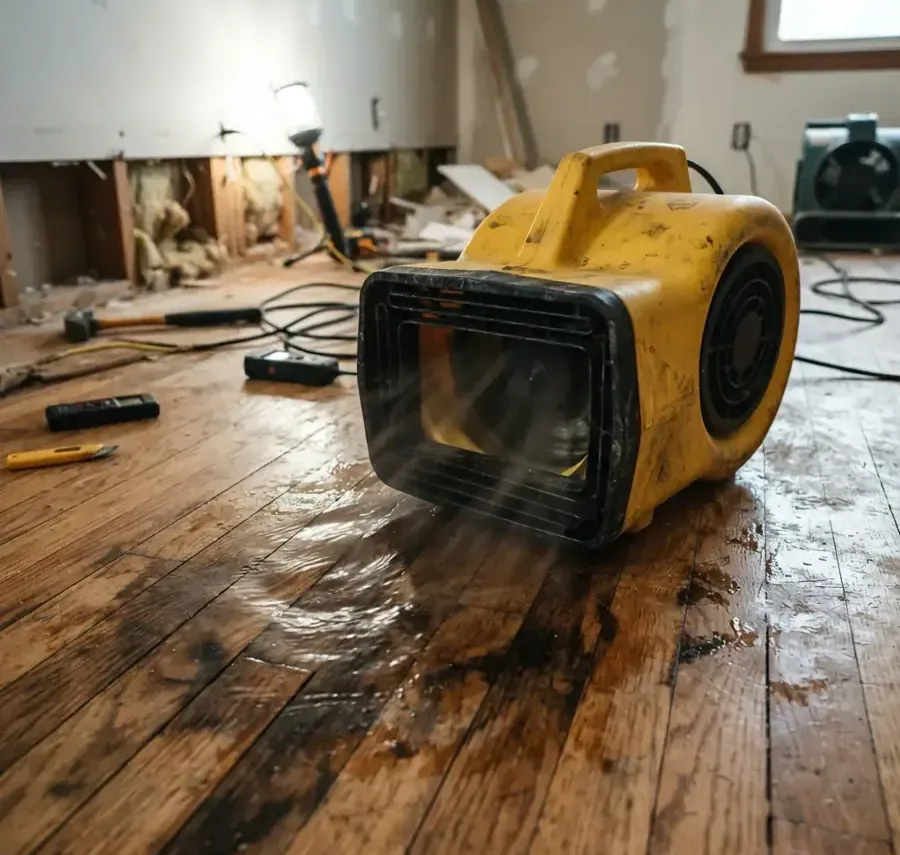 Structural Drying & DehumidificationFraming, subfloor and concrete brought back to a measured dry reading, not just a dry surface.How this loss is handled
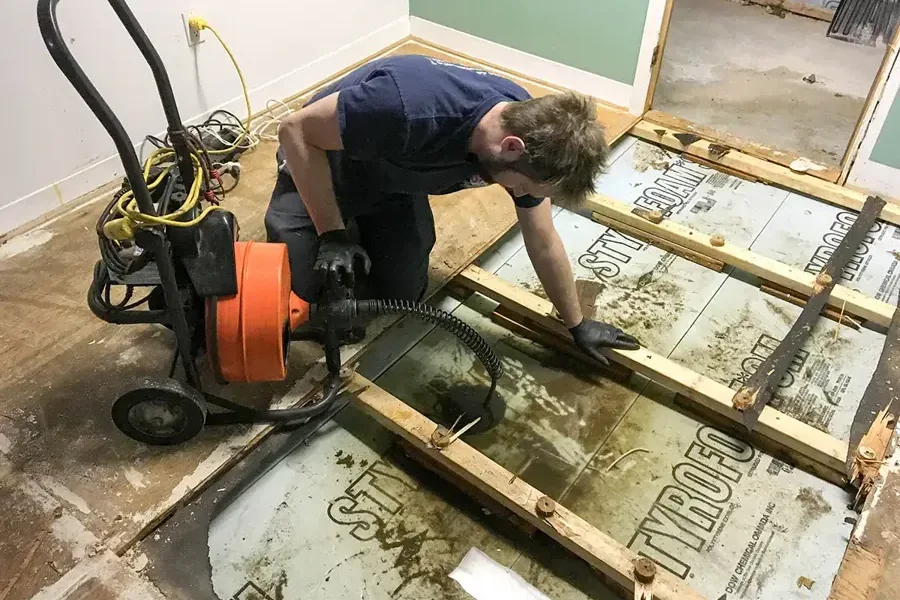 Sewage Backup CleanupBackups from sewer laterals treated as Category 3, with porous materials removed and surfaces disinfected.How this loss is handled
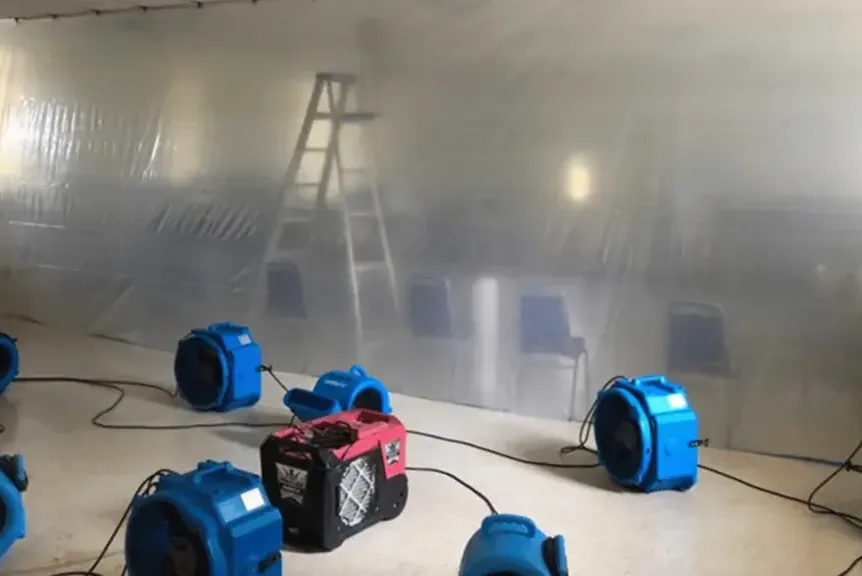 Commercial Water DamageShops, offices, schools and clinics dried in planned phases so business can continue.How this loss is handled
Drying plans built for 1960s and 1970s housing
The Census Bureau puts the median home here at 1976, and about half of the city's 17,890 housing units went up in the 1960s and 1970s. Decades-old supply pipes, water heaters and drains are where most indoor losses begin, from slab leaks under the floor to failed tanks.
The drying team starts each job with a moisture map, removes standing water with truck-mounted extraction and dries framing and subfloor, recording readings every day until the goal is reached.
How the work is done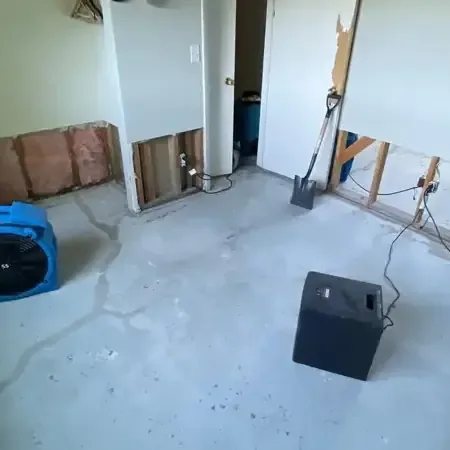
How each water loss gets handled
Fast local response
The response team runs 24/7 with extractors, air movers and moisture meters, since water left overnight keeps moving into pad, drywall and wall plates.
The IICRC S500 standard
The drying team works to IICRC S500, the industry drying standard, drying the structure rather than the surface and leaving equipment until meters confirm it.
Records ready for the claim
The mitigation team files the moisture map, daily readings and dated photos together, giving an adjuster one clear record of the loss.
Know-how for local homes
Decades-old plumbing, multi-unit buildings and winter storm runoff shape most of the water losses local restoration crews handle here.
What does water damage restoration cost in Placentia, CA?
Most water damage restoration jobs here typically run $1,500 to $12,000 or more, driven by the water category, the wet square footage, the materials involved and how quickly drying began.
A single room, caught early
- Clean water, prompt extraction
- Drying in place
- Readings each day
Several rooms or a ceiling
- Wet walls or subfloor
- Some drywall and pad removed
- Dehumidifiers and cavity drying
Contaminated or long-running
- Sewage or storm runoff
- Category 3 removal and treatment
- Full structural drying with records
For a planning number, use the water damage cost calculator; the real figure follows the on-site moisture map.
Each water category, handled its own way
The category of water decides what gets dried in place and what has to be removed, so the crew sets it first.
Category 1: clean water
Broken supply pipes, water heater leaks and refrigerator hoses. Dried in place when extraction starts quickly.
Category 2: gray water
Washer and dishwasher discharge, condensate and clean leaks that sat too long. Wet pad and some trim come out.
Category 3: black water
Sewer backups and runoff from streets and channels. Contained, porous materials removed, surfaces treated, then dried.
Sewage cleanup detailsDrying held to the IICRC S500 standard
- 1
Find every wet area
The tech who does the walkthrough uses thermal imaging and pinless meters to mark how far the water spread before equipment goes in.
- 2
Remove the water
The extraction crew pulls standing water out with truck-mounted units so it leaves the building rather than soaking the next room.
- 3
Place the equipment
The drying team sets air movers to each room's evaporation load and runs LGR dehumidifiers to pull that moisture from the air.
- 4
Check and record
The mitigation team takes readings every day and removes equipment only once wet materials sit within 2 to 4 points of a dry reference.
Documentation for your insurance claim
Adjusters decide water claims from the record: the first-day moisture map, daily psychrometric logs, dated photos taken before any tear-out, the category and class of the loss and a line-item scope. A sudden pipe or tank failure is usually handled differently from storm water flowing in from outside, which standard homeowner policies tend to exclude. Coverage depends on your policy, so check with your own insurer.
Equipment a proper dry-out depends on
- Truck-mounted extractors that pump water outside
- Air movers matched to each room's drying load
- LGR dehumidifiers, with desiccants for Class 4
- Thermal cameras and pinless moisture meters
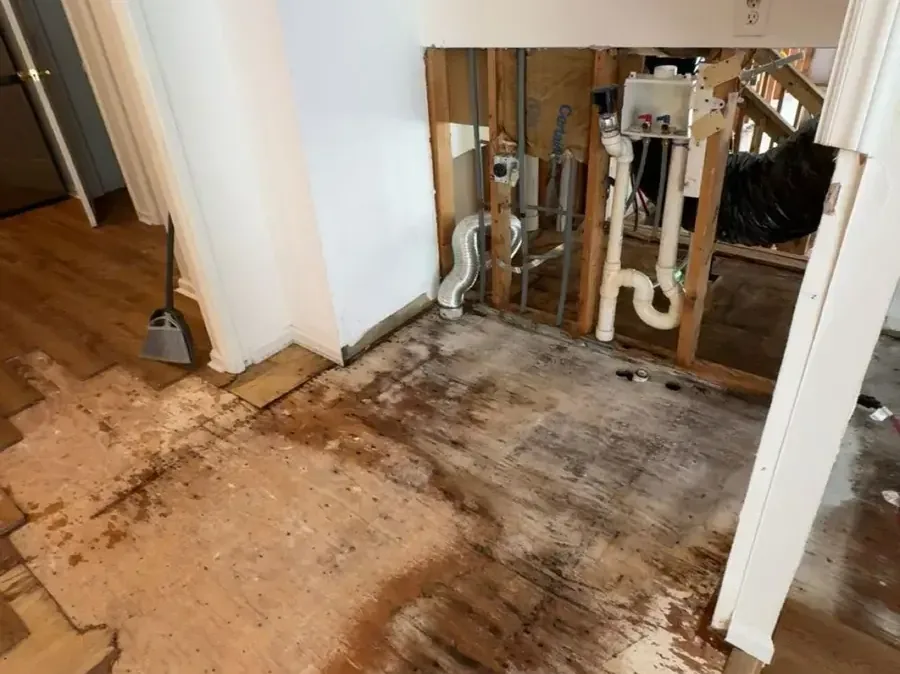
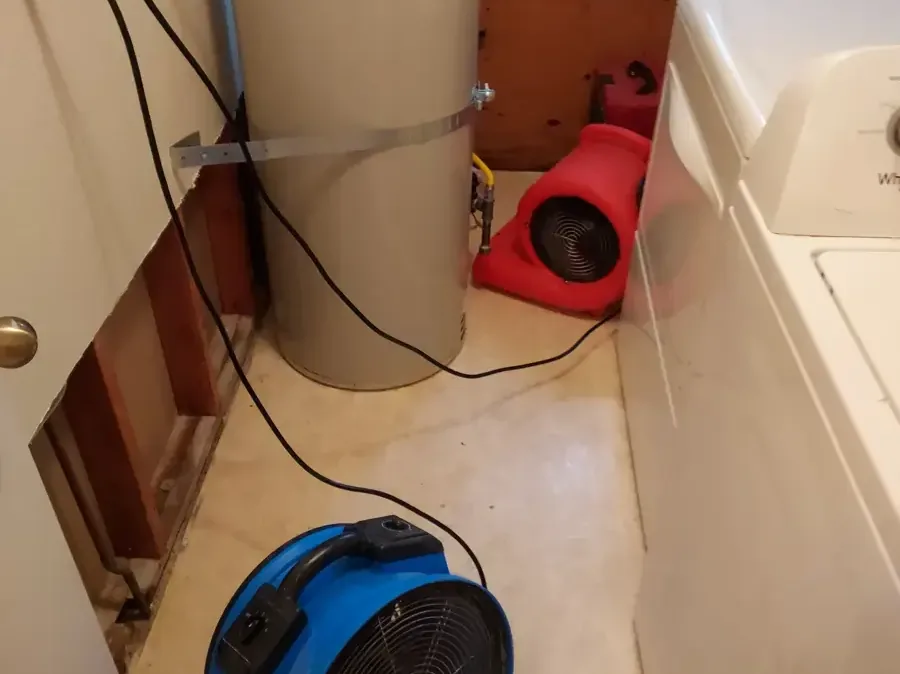
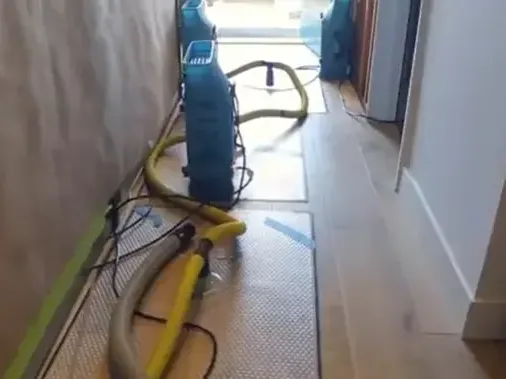
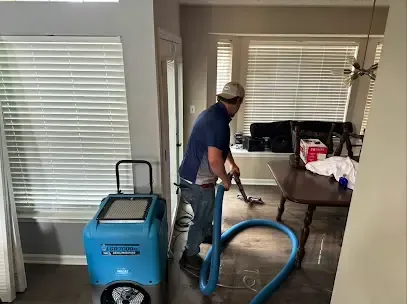
Inside a typical water damage dry-out
Water damage restoration across Placentia and nearby cities
Both local ZIP codes and the neighborhoods around them, any hour.
ZIP codes covered
The crew also covers the cities next door; if a street is missing, call anyway.
Old Town and the Packing House District
Atwood and La Jolla
Main corridors
One call reaches Placentia water damage pros, 24/7
The response team asks what is leaking, how long it ran and what flooring and walls got wet, so the right extractors and dehumidifiers go on the truck.


Floods, old plumbing and storm channels in Placentia
Water has a long history here. On March 3, 1938, after five days of heavy rain, the Santa Ana River jumped its banks and a wall of water crashed through the Atwood and La Jolla neighborhoods, leaving 1,500 homes in the city uninhabitable.
- About half of the city's housing units date from the 1960s and 1970s, so supply pipes, drains and water heaters are often decades old.
- The National Weather Service counted 350 homes flooded here during the January 7 to 11, 2005 storms.
- The Atwood Channel, usually little more than a puddle, ran as fast-rising rapids by 9 a.m. during heavy rain in early January 2023, the Los Angeles Times reported.
- Storm drains carry street runoff to flood-control channels, and 4,406 units sit in buildings with two or more units, where one leak can reach a neighbor.
Placentia water damage questions
How quickly can a crew start on a water loss?
The response team works 24/7 and treats active water as urgent. While the crew is on the way, close the main shutoff, keep people off wet floors and take photos of the damage.
Who handles a sewer overflow on a city street?
The city asks residents to report a sewer overflow to City Hall during regular hours and to call 911 after hours. A backup inside a home is Category 3 and needs a cleanup crew in protective gear.
Does homeowners insurance cover water damage in California?
A sudden event, such as a split supply pipe or a failed water heater, is often covered after the deductible. Gradual leaks and wear usually are not, and flooding from outside needs its own flood policy. Coverage depends on your policy, so check with your own insurer.
Why do so many local homes have plumbing leaks?
The median home in the city was built in 1976, and about half of all housing units date from the 1960s and 1970s. Pipes, drains and water heaters of that age wear out, and many leaks start inside walls or under floors.
How long does a house take to dry out?
A small Class 1 loss often dries in three to five days. Hardwood, concrete and losses spread across several rooms take longer, and the drying team removes equipment only when readings match a dry reference.
Does wet drywall always have to be replaced?
No. Drywall soaked by clean water can often be dried in place if it stays firm and drying starts early. Drywall touched by sewage or storm runoff comes out, along with any that sags or crumbles.
Why is a sewage backup treated so differently?
Sewage is Category 3 water from the moment it appears. The cleanup crew sets containment, wears protective gear, removes porous materials, applies an EPA-registered antimicrobial and runs HEPA air scrubbers before drying. See sewage backup cleanup for the full process.
Is the city responsible for a backup from my sewer lateral?
The city maintains the gravity sewer pipes inside its limits, and its 2020 Sewer System Management Plan says it is not responsible for discharges from private sewer laterals. A plumber can camera the lateral to find roots or breaks.
What is the difference between mitigation and repair?
Mitigation stops the damage from spreading: extraction, removal of ruined materials and structural drying. Repair, such as new drywall, paint and flooring, comes after the structure reads dry.
How is the cost of a water damage job worked out?
The water category, the square footage, the materials that got wet and how fast drying began set the price. The water damage cost calculator gives a planning range before the walkthrough.
Water damage at home right now?
Standing water keeps spreading into pad, drywall and framing until it is removed. The restoration crew extracts it, dries to the IICRC S500 standard and keeps the records the claim needs.