Slab Leak Water Damage in Brea, CA
A hot-water pipe leaking under the slab wets flooring from below, often for weeks before anyone notices. The mitigation team maps the wet area, lifts what has to come up and dries the slab and wall bottoms.
(888) 563-9619Warm or wet floor? Call for slab leak help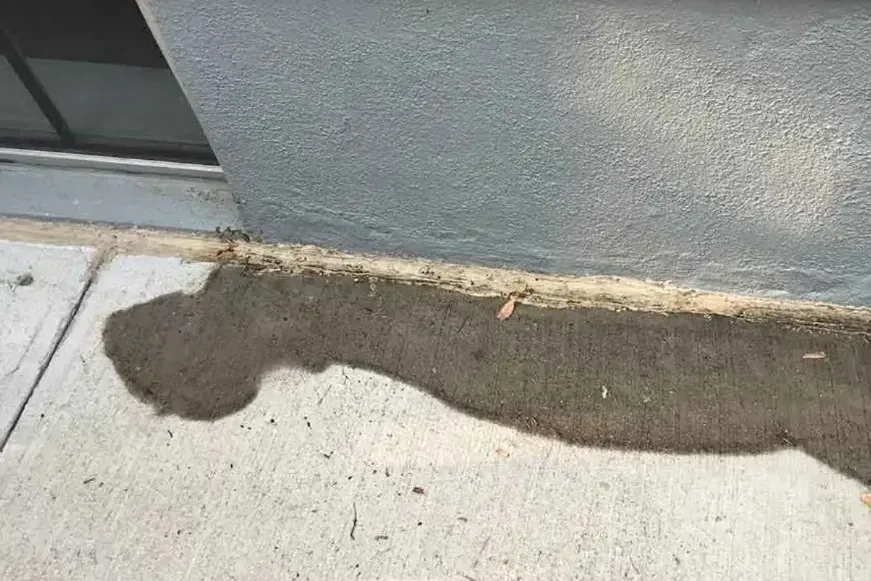
First moves when slab leak water damage starts
- Check the meter
Turn off every fixture and watch the water meter at the curb; if it still moves, a hidden leak is likely.
- Shut off the water
Close the main shutoff so the leak stops feeding the slab.
- Clear the wet area
Lift area rugs and move furniture off damp flooring.
- Call a plumber and the drying team
The plumber finds and fixes the pipe; the restoration crew maps and dries the damage.
How the crew handles slab leak water damage
Mapping the spread
The tech who does the walkthrough traces the wet area across the slab with meters and thermal imaging, since water travels well past the leak itself.
Save or lift the flooring
The crew leaves tile in place when it can dry, pulls wet pad and swollen laminate, and judges hardwood by how far it has cupped.
Drying the concrete
The drying team aims dehumidifiers and air movers at the exposed slab and the bottom of nearby walls, adding desiccants when the slab holds a lot of water.
Working with the plumber
The mitigation team starts drying once the pipe is repaired or rerouted, so no new water feeds the area being dried.
What does slab leak water damage cost in Brea, CA?
Slab leak water damage restoration typically runs $1,800 to $15,000 or more, not counting the plumbing repair, depending on the square footage, the flooring type, how long the leak ran and whether the water turned Category 2.
One room of flooring
- Moisture mapping
- Flooring lifted where wet
- Slab and wall drying
Several rooms
- Pad, laminate or tile removal
- Wall bottoms opened and dried
- LGR dehumidifiers
Long-running leak
- Category 2 handling
- Drywall flood cuts
- Desiccant drying of the slab
Typical ranges, not a quote. The water damage cost calculator gives a planning figure; the firm number follows the on-site moisture map.
Many homes in central Brea were built on concrete slabs in the 1960s and 1970s, with copper hot and cold water pipes running through or under the concrete. When one of those pipes wears through, water rises into the flooring above and spreads sideways under it, out of sight.
How a slab leak shows up
The first signs are usually small: a warm spot on tile over a hot-water leak, a damp edge of carpet along a wall, laminate that starts to swell, or a water meter that keeps turning with every fixture off.
- Warm or damp patches on the floor
- Swelling or lifting laminate and hardwood
- A musty smell near baseboards
- A water bill that jumps with no change in use
Plumber first, then drying
A plumber locates and repairs the pipe, either by opening the slab at the leak or by rerouting the pipe overhead. The restoration team handles the water damage: mapping how far the water traveled, lifting wet pad, laminate or hardwood, and drying the slab and the bottom of the walls.
The EPA WaterSense leak checks explain how to use the meter to confirm a hidden leak, and the pinhole leak risk check rates how worn the rest of the copper may be.
Why concrete takes longer
A slab holds a lot of water and gives it up slowly. LGR dehumidifiers, and desiccant units for Class 4 drying, pull moisture out of the air above the concrete while floor mats target any saved hardwood. The drying team compares readings with a dry part of the slab before new flooring goes down; see structural drying for how that goal is set.
Coverage for the water damage and for access to the pipe can differ, and the California Department of Insurance explains how homeowner claims are handled.
The slab leak water damage process, start to finish
- 1
Locate the wet area
The tech outlines the spread across the floor with meters and thermal imaging.
- 2
Open what holds water
The crew pulls up wet pad, laminate and baseboards so the slab can breathe.
- 3
Dry the slab
The drying team runs LGR or desiccant dehumidifiers and air movers around the clock.
- 4
Confirm dry
The mitigation team compares readings with a dry reference before new flooring goes down.
Slab Leak Water Damage across Brea and nearby towns
The restoration crew covers ZIP codes 92821, 92822 and 92823, from Birch Street downtown and the central tracts out to Olinda Ranch, Blackstone, La Floresta and the homes along Carbon Canyon Road.
Coverage also reaches Fullerton, La Habra, La Habra Heights, Placentia, Yorba Linda, Diamond Bar, Chino Hills and Rowland Heights.
Every neighborhood and ZIP in the service areaSlab Leak Water Damage questions
Does the restoration crew fix the slab leak itself?
No. A plumber locates and repairs the pipe. The restoration crew handles the water damage: mapping, flooring removal where needed and drying.
Can tile or hardwood on a slab be saved?
Tile often stays if the grout and thinset dry out. Hardwood can sometimes flatten with floor drying mats if it is caught early, but boards that crown or stay wet for weeks usually need replacing.
How long does a concrete slab take to dry?
Concrete dries slowly. One room often takes three to five days after flooring is lifted, and larger or longer leaks take more. The drying team goes by readings, not a calendar.
Is slab leak damage covered by insurance?
Many policies cover sudden water damage from a slab leak, while access to the pipe and the pipe repair itself may be treated differently. Coverage depends on your policy, so check with your own insurer.
Should the pipe be repaired or rerouted?
That is a plumbing decision. Rerouting runs a new pipe through the attic or walls and avoids opening the floor; a spot repair opens the slab at the leak. The drying is the same either way.
Why do slab leaks keep happening in older homes?
Copper laid in or under concrete decades ago wears from the inside and where it rubs against the slab, so one leak can be followed by another in the same system.
Water coming up through the floor?
The restoration team maps the slab, lifts only what is wet and dries the concrete and wall bottoms to a measured goal, 24/7.