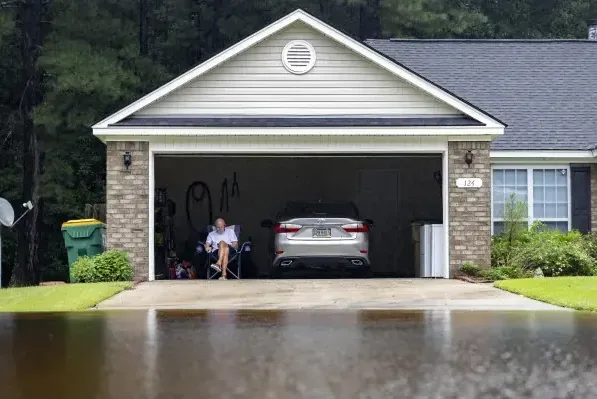
A flash flood warning is an alert, not a damage report. Several recent winter storms put Diamond Bar on those alerts, and each time the real work for homeowners began after the rain: finding out whether water got in and what to do about it.
Key takeaways
- Flash flood warnings named Diamond Bar on February 6, 2024 and November 15, 2025, and heavy rain hit the city on December 30, 2021.
- A warning does not say which homes took water, so a walk through the garage and ground floor rooms after the storm is the real check.
- Storm water that enters a house is treated as contaminated, so porous materials that soaked it up are usually removed.
- The city's storm drains carry rain away from streets and have no filters, and Public Works and Engineering takes reports of storm related damage and flooding.
- Photos and a short written timeline help every later step.
What the warnings said, and what they did not
On February 6, 2024, a flash flood warning for southeast Los Angeles County, in effect until 12:30 p.m. that Tuesday, named Diamond Bar along with Whittier, Hacienda Heights, La Habra Heights, La Mirada and other cities.
NBC called the February 2024 event a historic multi day storm that soaked Southern California, and the warning that named Diamond Bar ran while the rain was still falling.
On November 15, 2025, flash flood warnings issued on a Saturday morning included Diamond Bar, Pomona and West Covina. Most areas were downgraded to advisories around noon.
Heavy rain also struck the city and Walnut overnight on December 30, 2021, with a forecast of up to 2.5 inches.
None of those alerts counted flooded homes. They told residents that conditions could turn dangerous, which is a very different thing from saying where water ended up.
The first checks once the rain eases
Walk the house in daylight with a flashlight and look for water where storms usually find a way in.
Before touching anything wet, think about electricity. Outlets, power strips and garage door openers do not mix with standing water, and the safe move is to stay clear until the power to that area is off.
- The garage floor and the base of the garage door
- Door thresholds and sliding door tracks
- Ground floor carpet, especially along exterior walls
- Ceilings and attic hatches, where a roof leak may be dripping
- Wall bottoms and baseboards that look swollen or stained
Storm water is not clean water
Water that comes in from outside has crossed streets, driveways and yards, so it picks up dirt, oil and whatever else was on the ground. Restoration crews class it as Category 3, the most contaminated group.
What rides in with storm water varies from one storm to the next, which is why crews treat all of it the same way.
The city's own storm water page explains that the storm drain system was designed to carry rain away from streets and has no filters. What runs through it is not cleaned on the way.
That is why carpet, pad and wet drywall that soaked up storm water are usually removed and why hard surfaces are cleaned and treated, not just wiped.
- Soil, silt and gravel washed off slopes and driveways
- Oil and fuel residue from streets and garages
- Fertilizer and pesticide from yards
- Bacteria from animal waste and overflowing drains
Who handles what outside the house
Streets, drains and debris
The city's emergency page lists Public Works and Engineering for storm related damage, flooding and road debris. Reports about a blocked drain or mud on the road go there.
Water pipes and sandbags
The same page lists Walnut Valley Water District for water emergencies, which covers a broken water pipe, not storm runoff.
The city also links to county sandbag locations, which is worth bookmarking before the next storm.
How the cleanup inside works
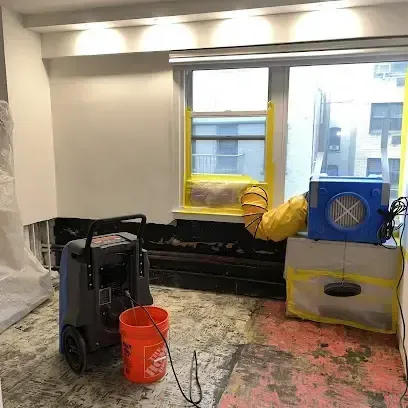
The first job is water extraction: pumps and wet vacuums pull standing water off the floor so it stops soaking into materials.
Wood furniture and upholstery that sat in storm water are checked piece by piece. Some can be cleaned and dried, and others cannot be saved.
After that, the storm and flood cleanup crew sorts what stays and what goes. Moisture readings steer each decision.
For more on local help after storms, see water damage restoration for the local area.
- Wet carpet and pad are removed and discarded.
- Baseboards and the lower part of wet drywall are cut out so the wall cavity can dry.
- Hard floors and walls are cleaned and treated for contamination.
- Dehumidifiers and air movers run until readings reach a dry reference.
Getting ready for the next warning
A little preparation shortens the cleanup. The city's emergency pages include a preparedness page for wet winters and a link to the FEMA Flood Map Service Center, where flood zones are shown parcel by parcel.
Sandbags help divert flowing water, but they do not make a doorway watertight. They work best aimed at the spot where water usually enters, such as a garage door or a low side gate.
- Move stored boxes off garage floors and onto shelves.
- Know where the main water valve is before a storm, not during it.
- Take dated photos of each room in normal condition for a later comparison.
- Keep the city's Public Works and Engineering contact in a phone note.
Mistakes that make storm cleanup harder
Most storm water losses get worse in the first day or two, not during the storm itself. Wet materials keep drawing moisture, and the longer they stay wet the more has to be removed.
- Wading through standing water near outlets or extension cords
- Running a household vacuum over wet carpet or standing water
- Leaving soaked carpet and pad in place for days
- Waiting for the weather to clear completely before asking for help
- Discarding damaged items before photographing them
Questions
Does a flash flood warning mean my house flooded?
No. A warning says conditions are dangerous in a region. Whether water entered a given home depends on the lot, the drainage and the storm, so check the house after the rain.
Why is storm water cleaned differently from a leak?
Storm water crosses streets and yards before it reaches the house, so it can carry dirt and contaminants. A leak from a supply pipe starts out clean.
Who do I report road debris or a blocked drain to?
The city lists Public Works and Engineering for storm related damage, flooding and road debris.
Do I need to remove wet carpet after a storm?
Usually yes if it soaked up storm water. Carpet and pad that took contaminated water are generally removed, while hard floors are cleaned and dried.
Where can I check my flood zone?
The FEMA Flood Map Service Center shows zones, and they are parcel specific. The city links to it from its emergency pages.
What should I photograph before cleanup starts?
Wide shots of each affected room, close shots of water marks on walls and furniture, damaged belongings and any moisture meter readings. Date stamps help.