Water Extraction in Diamond Bar, CA
Whether a supply pipe let go or a winter storm pushed water through a Diamond Bar door, the extraction crew pulls standing water out of carpet, pad and flooring before it settles into the structure.
(888) 563-9619Get extraction started at this address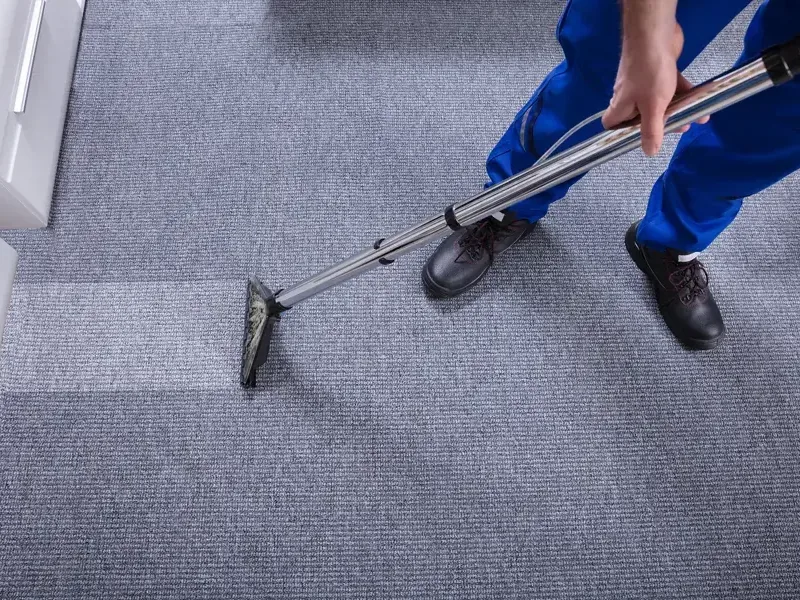
First moves when water extraction starts
- Stop the source
Close the main valve or fixture so no new water arrives, and switch off power to wet rooms.
- Move what can move
Lift rugs, furniture and boxes onto dry surfaces, and photograph the water before anything changes.
- Call for extraction
Report the water type and how long it has stood, so the crew brings the right equipment and containment.
- Stay off wet carpet
Walking on soaked pad spreads water and grit, and wet drywall is fragile, so traffic stays to a minimum.
How the crew handles water extraction
Start with the source
The crew confirms where the water came from and how long it stood, because a supply pipe, a washer drain and a storm door each call for different handling.
Pull the bulk water
Truck-mounted units take standing water first, and handheld wands finish the carpet, pad and tight corners where the big hose cannot reach.
Check what held water
Pad, carpet backing and baseboards are metered after extraction, and anything that stays saturated is removed so the floor can dry over open air.
Hand off to drying
Once standing water is gone, air movers and dehumidifiers go in and readings begin, so the remaining moisture leaves the structure on a schedule.
What does water extraction cost in Diamond Bar, CA?
A typical extraction visit spans $400 to $3,500 or more, set by how many rooms are wet, how deep the water got and whether it is clean or contaminated. Moisture readings confirm the scope.
A single wet room
- Truck-mounted water removal
- Pad pressed to dry
- Readings on site
Several rooms
- Room by room extraction
- Pad lifted where needed
- Baseboard moisture tests
Deep, dirty or storm water
- Category 3 protocols
- Carpet and pad disposed
- Antimicrobial before drying
Typical ranges, not a quote. The water damage cost calculator gives a planning figure; the firm number follows the on-site moisture map.
Standing water does most of its harm in the first day, wicking into baseboards, pad and drywall. In Diamond Bar, where about 87 percent of homes date from 1960 through 1989, that water meets flooring and wall bottoms with decades of wear, so extraction comes before anything else.
What the extraction crew removes first
Truck-mounted extraction handles large volumes of water, and handheld wands work the carpet, pad and tight corners afterward, room by room.
- Standing water across floors, subfloors and thresholds
- Soaked pad and wet carpet fibers in every room
- Water trapped under hard flooring edges and seams
- Pooled water at baseboards, doorways and closets
Two common sources
Flash flood warnings named the city on February 6, 2024 and again on November 15, 2025, and storm water tends to enter through doors and garage thresholds carrying silt. A failed pipe or tank differs, because that water starts clean and gets removed before it turns gray.
That is why the first questions asked are where the water came from and how long it sat. The category matters because contaminated water changes what can stay in the home, which materials are bagged and which antimicrobial treatment follows.
After the water is gone
Extraction removes liquid water, not the moisture already absorbed by wood, drywall and concrete. Meters check those materials afterward, and air movers and dehumidifiers pull out what remains.
Where the loss reached several rooms, the same crew continues into structural drying, and a failed pipe may also call for burst pipe work before repairs begin, so the sequence stays organized.
The water extraction process, start to finish
- 1
Assess the water
The crew reads the category, depth and spread before any equipment is set up.
- 2
Extract it all
Truck-mounted and handheld tools remove standing water from every room it reached.
- 3
Test and open
Pad, baseboards and wall bottoms are metered, and saturated pieces come out.
- 4
Start the drying
Air movers and dehumidifiers take over, with daily readings until the materials are dry.
Water Extraction and Removal across Diamond Bar and nearby towns
Extraction crews work throughout the city, from the homes around Summitridge and Pantera to the streets near Peterson Park, Heritage Park and Sycamore Canyon, in ZIP codes 91765 and 91789.
The same service nearby: water extraction and removal in Brea, La Habra Heights, Yorba Linda.
Water damage restoration in Diamond Bar Every area coveredWater Extraction and Removal questions
Does extraction need to start right away?
Yes. Carpet pad holds water like a sponge and wall bottoms wick it upward, so starting early keeps the damage in fewer materials and lowers the chance of mold.
Can carpet be saved after extraction?
Often yes when the water was clean and the pad is replaced. Carpet from a sewage or floodwater loss is discarded, since contaminated fibers cannot be treated back to safe.
Is a wet vacuum from a hardware store enough?
It helps with a small spill on a hard floor, but it cannot pull water out of pad or from under flooring, and the remaining moisture goes unmeasured.
What if the water came from outside?
Storm water counts as contaminated, so mud and wet drywall are removed along with the water. Road flooding and debris are reported to the Public Works and Engineering Department.
Does extraction include drying the structure?
Extraction removes the liquid water, and drying is a separate set of equipment and readings that usually follows straight away.
Will extraction be needed for a small spill?
A spill that stayed on a hard floor and was wiped quickly may not. Anything that reached pad, baseboards or the wall base deserves a moisture reading to be sure.
Get the standing water out
A wet carpet and a dripping ceiling both get worse each day, so extraction is worth starting before the pad has soaked through.