Slab Leak Water Damage in La Habra Heights, CA
Water rising through a concrete floor means a supply pipe has failed beneath it. Moisture mapping follows the water, flooring is lifted where it is wet, and the slab and wall bottoms are dried.
(888) 563-9619Map the wet floor in my home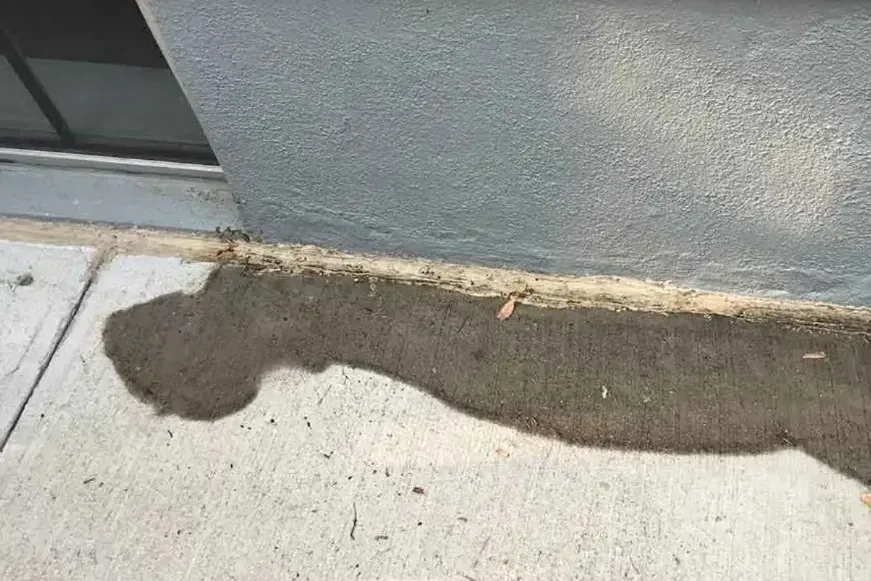
First moves when slab leak water damage starts
- Watch the meter
Turn off every fixture and watch the water meter. A moving dial points to a leak under the floor.
- Close the main valve
If the dial keeps moving, shut the main valve near the hose bib and bring in a plumber for leak detection.
- Protect the flooring
Lift rugs and furniture off damp areas, and leave wet flooring in place until readings are taken.
- Photograph the signs
Capture stains, cupping and damp patches with dates, so the record starts before work does.
How the crew handles slab leak water damage
Find the wet footprint
Moisture meters and thermal imaging outline the wet area on the floor, so removal is limited to what is actually affected.
Open only what is wet
Flooring is lifted along the damp zone, and lower drywall is cut where readings show water has wicked up behind the wall.
Dry the concrete itself
Desiccant dehumidifiers pull moisture from the slab while air movers keep the surface moving. Concrete is slow, so readings set the schedule, not a calendar.
Release the floor
New flooring goes in only after the slab and wall base meet the dry standard, which keeps moisture from being sealed under it.
What does slab leak water damage cost in La Habra Heights, CA?
Slab leak water damage typically costs $1,800 to $15,000 or more. One flooring area sits near the low end, while a leak that ran for weeks across several rooms reaches the top of the range.
One flooring area
- Slab moisture map
- Wet flooring lifted
- Wall base drying
Several rooms
- Pad, laminate or tile removal
- Wall bottoms opened
- LGR dehumidifiers
Leak that ran for weeks
- Category 2 procedures
- Drywall flood cuts
- Desiccant slab drying
Typical ranges, not a quote. The water damage cost calculator gives a planning figure; the firm number follows the on-site moisture map.
Whether a floor is poured concrete depends on the individual house, but where it is, a supply pipe leaking beneath it can soak flooring for weeks before a stain shows. The Census Bureau puts the median home in La Habra Heights at a 1966 build, old enough for plumbing to have worn.
What water under concrete does
Water that cannot drain finds the weakest path, and in a slab home that is usually up through cracks and along the edges, where it spreads sideways under the flooring.
- Flooring cups, lifts or loosens near the leak
- Baseboards stain along the wall base
- Concrete feels damp or warm in one patch
- The water meter keeps turning with every fixture off
Wet ground below
The city's watershed program says Puente Hills bedrock is not suited for infiltration, retains water and can expand when saturated. A leak beneath a floor adds to ground that already drains slowly, so the slab can stay damp longer than the surface suggests.
That is why slab readings set the schedule, and why flooring never goes back over a floor that still reads wet.
Plumbing repair comes first
A plumber has to find and fix the failed pipe before drying is worth starting, because new water would undo the work. Once the leak is stopped, structural drying takes over for the slab and the walls.
The city says installing flooring needs no permit, so rebuilding can begin as soon as the slab reads dry. Wet laminate and tile adhesive come up first, and hardwood floor water damage is handled separately.
The slab leak water damage process, start to finish
- 1
Map the spread
Meters and thermal imaging mark where water has moved.
- 2
Open the floor
Wet flooring and pad come up so the slab can breathe.
- 3
Run the drying
Desiccant units and air movers work on the slab and wall bottoms.
- 4
Confirm it is dry
Final moisture readings are logged and checked before any new flooring is installed.
Slab Leak Water Damage across La Habra Heights and nearby towns
Slab leak work covers ZIP 90631 and the hillside streets around Hacienda Road, East Road and West Road, from Subtropic Farms to Avocado Crest, and the roads between them.
The same service nearby: slab leak water damage in Brea, Placentia, Diamond Bar.
Water damage restoration in La Habra Heights Every area coveredSlab Leak Water Damage questions
Do all homes here have slab floors?
That varies by house, and no citywide foundation data is on record, so the restoration team checks each floor with meters instead of assuming.
How is a slab leak found?
Signs include a spinning meter with fixtures off, damp flooring and warm spots. A plumber pinpoints the pipe, and moisture mapping then shows how far the wet flooring reaches.
Can a concrete slab actually be dried?
Yes. Concrete holds moisture for a long time, so desiccant dehumidifiers and air movers run until readings fall to dry values. Flooring waits until then.
Does all the flooring come out?
Only wet flooring is lifted. Laminate, pad and tile that absorbed water or trapped it beneath are removed, while dry sections stay. Wall bottoms open if readings show wicking.
Who repairs the broken pipe?
A plumber repairs or reroutes it. The drying team starts once the water is stopped, so the two jobs are scheduled around each other and neither undoes the other.
Does homeowners insurance cover a slab leak?
Coverage depends on the policy and on whether the leak was sudden or long-running. Moisture maps, photos and logs give the adjuster the record, and the policy decides the rest.
Concrete dries slowly, so start early
The longer water sits beneath a floor, the deeper it travels into the slab and wall bottoms. The drying team brings the meters and desiccant equipment to find and dry it.