Roof Leak Water Damage in La Habra Heights, CA
Rain that gets past shingles or flashing soaks attic insulation first and the ceiling second. The crew finds the wet areas with thermal imaging and dries the attic and the rooms below together.
(888) 563-9619Dry out after the roof leak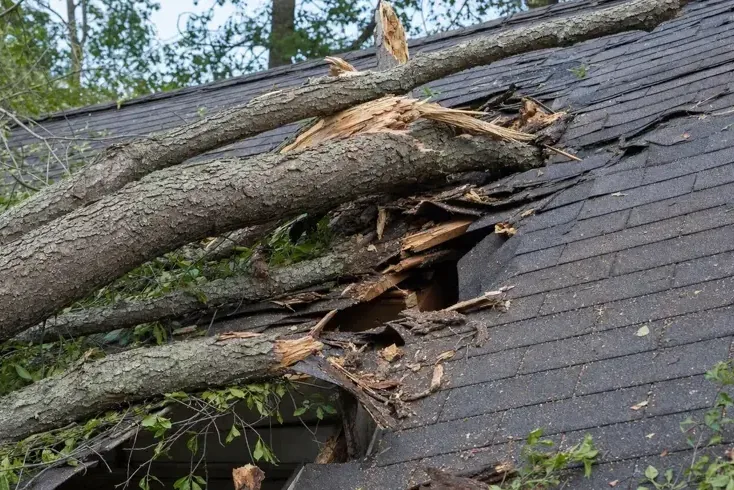
First moves when roof leak water damage starts
- Protect the room
Move furniture and electronics from under the stain and set out buckets for drips.
- Cover the opening
Ask a roofer for a temporary tarp, because dry weather is never certain on a hillside.
- Watch a bulging ceiling
A ceiling that bulges with trapped water can fail, so keep people and furniture out from under it.
- Photograph the stains
Date every stain and drip so the damage record shows how far it spread.
How the crew handles roof leak water damage
Trace the water path
Thermal imaging and moisture meters follow the water from the stain back toward the point where it entered.
Pull wet insulation
Soaked insulation holds water against the ceiling for a long time, so it is removed and bagged before drying starts.
Take down failed drywall
Sagging or stained drywall is cut out and the joists are exposed so air movers can reach the wood.
Dry and record
Equipment runs in the attic and the room, and readings continue until both read dry.
What does roof leak water damage cost in La Habra Heights, CA?
Roof leak water damage typically costs $1,000 to $8,000 or more. One stained ceiling area stays low, and leaks that soaked several rooms and their insulation reach the top of the range.
One ceiling area
- Thermal imaging scan
- Ceiling dried in place
- Attic readings
Ceiling and insulation
- Wet insulation removed
- Ceiling drywall down
- Attic and room drying
Several rooms
- Multiple ceilings removed
- Wall tops dried
- Flooring below checked
Typical ranges, not a quote. The water damage cost calculator gives a planning figure; the firm number follows the on-site moisture map.
A roof leak soaks attic insulation long before a stain shows on a ceiling, and rainwater picks up dust and debris on the way down. Storm runoff in the Puente Hills is a regular concern for hillside homes, so a leak above the ceiling is rarely the only wet area.
How roof water spreads
Water rarely stays where it enters, and a small hole can wet a surprisingly large area.
- Insulation absorbs and holds water in the attic
- Ceiling drywall sags and stains from above
- Wall tops get wet where the ceiling meets them
- Light fixtures and fans collect dripping water
Permits and the repair
The city requires permits and inspections for roofing and reroofing. A roofer repairs the opening, and the property owner is responsible for getting the final inspection on any permitted work.
Drying can begin before the repair is finished, but any new rain on an open roof will wet it again, so a temporary cover matters.
Drying above and below
The crew checks the ceiling with thermal imaging, removes wet insulation and takes down drywall that has sagged or stained. The attic and the room below are dried together with structural drying equipment.
When the damage reaches the room, ceiling leak water damage work covers the drywall, joists and anything that dripped on the floor.
The roof leak water damage process, start to finish
- 1
Scan the ceilings
Thermal imaging and moisture meters mark the wet zones in ceilings and wall tops.
- 2
Remove wet materials
Soaked insulation and failed drywall come out so air can reach the framing.
- 3
Dry the cavities
Air movers and a dehumidifier work on the joists, wall tops and attic floor.
- 4
Verify the readings
Dry readings are confirmed in the attic and the room before any repairs begin.
Roof Leak Water Damage across La Habra Heights and nearby towns
Roof leak work covers ZIP 90631 and the hillside homes along Hacienda Road, East Road, Fullerton Road and West Skyline Drive, from the Subtropic Farms area to Avocado Crest.
The same service nearby: roof leak water damage in Brea, Placentia, Diamond Bar.
Water damage restoration in La Habra Heights Every area coveredRoof Leak Water Damage questions
How can a roof leak be spotted early?
Brown rings on a ceiling, peeling paint, a musty attic smell and wet insulation are common early signs, often after a heavy rain or a windy storm that lifts shingles.
Does the ceiling always have to come down?
Not always. Small stained areas can often be dried from below, while sagging or saturated drywall is removed so the joists can dry out completely.
Who repairs the roof?
A roofer does, and the city requires permits and inspections for roofing and reroofing. The drying team handles the water that came through and the materials it soaked.
Is rainwater clean water?
Not once it runs through insulation and attic dust. Roof water is usually treated as Category 1 to 2 depending on how long it sat and what it crossed on the way down.
Can drying wait until the roof is fixed?
Waiting lets mold start in 24 to 48 hours, so drying generally begins at once, with the opening covered to stop new water from getting in.
Roof water soaks from the top down
Water soaks the insulation first, then the ceiling, then the walls and floor below. The drying team finds all of it and dries the attic and the rooms together.