Storm & Flash Flood Cleanup in La Habra Heights, CA
Runoff and mud that reach a garage or living room are Category 3 water. The crew removes the mud and water, cuts out lower drywall, treats the surfaces and dries the structure.
(888) 563-9619Clear the mud from my home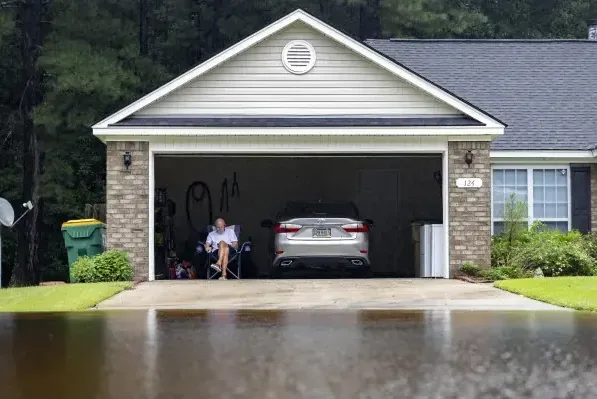
First moves when storm and flood cleanup starts
- Stay out of the water
Avoid contact with floodwater and wear boots and gloves if entry is necessary.
- Shut off the power
Turn off breakers to flooded areas and do not use electrical items in wet rooms.
- Look for warning signs
New cracks, sticking doors and blocked culverts are reasons to call the city before anything else.
- Photograph the high mark
Record how high the water rose and what it damaged before any cleanup starts.
How the crew handles storm and flood cleanup
Remove mud and debris
Shovels, squeegees and extractors clear the sediment and standing water, while protective gear keeps the crew clear of contaminants.
Cut out what is porous
Drywall, insulation, carpet and pad that floodwater touched are removed, because cleaning cannot make them safe again.
Clean and treat
Hard surfaces and exposed framing are washed and treated with antimicrobial products before any drying equipment goes in.
Dry and verify
Air movers, dehumidifiers and HEPA air scrubbers run until readings show the structure is dry and the air is clean.
What does storm and flood cleanup cost in La Habra Heights, CA?
Storm flood cleanup typically costs $3,000 to $20,000 or more. A garage or one room stays low, and a whole slab level of Category 3 removal reaches the top of the range.
Garage or one room
- Mud and water removal
- Lower drywall cut out
- Antimicrobial treatment
Several rooms
- Carpet and pad disposal
- Flood cuts throughout
- HEPA air scrubbing
Whole slab level
- Full Category 3 removal
- Contents pack-out
- Structural drying
Typical ranges, not a quote. The water damage cost calculator gives a planning figure; the firm number follows the on-site moisture map.
The city's Watershed Management Program says mudslides and significant landslides still occur in larger rain events, and hillside drainage here is built from channels, underdrains and catch basins, not a full storm drain system. When runoff overwhelms it, mud and water can end up inside a home.
What past storms show
Local records show the pattern, and each event damaged ground or roads before it reached any house.
- Mudflows along Hacienda Road in the 1995 winter storms
- Four slopes and culverts damaged in the 2004 floods
- A severe mudslide on Hacienda Road in February 2024
- Hacienda Road closed for slope repairs in 2009
Why floodwater is different
The city says floodwater may carry contaminants and advises avoiding direct contact and wearing protective gear during cleanup. That is the reason storm water is treated as Category 3, with porous materials removed and surfaces cleaned and treated.
Mud also changes the work, because sediment has to come out before drying equipment can run effectively.
After the mud is out
Once the heavy debris and water are gone, the crew dries what is left with structural drying equipment and checks the lower walls with meters. The city lists landslide warning signs, such as new cracks in soil or foundations and doors that suddenly stick.
Those signs call for the city and a geotechnical professional, not a drying crew. Anyone seeing them should leave the area, and water extraction can wait until it is safe.
The storm and flood cleanup process, start to finish
- 1
Assess the damage
The crew checks how high the water rose, the mud depth and any safety issues.
- 2
Remove the debris
Mud, water and porous materials are taken out.
- 3
Clean and treat
Surfaces are washed and treated with antimicrobial cleaner.
- 4
Dry the structure
Equipment runs until readings are dry.
Storm and Flash Flood Cleanup across La Habra Heights and nearby towns
Storm cleanup covers homes in La Habra Heights from Hacienda Road, East Road and West Road to the higher streets and canyon edges of the Puente Hills, ZIP 90631.
The same service nearby: storm and flash flood cleanup in Brea, Placentia, Diamond Bar.
Water damage restoration in La Habra Heights Every area coveredStorm and Flash Flood Cleanup questions
Is storm runoff really contaminated?
Yes. The city warns that floodwater may carry contaminants, so contact should be avoided and protective gear worn, and the cleanup follows Category 3 procedures.
Why does so much material have to be thrown out?
Porous materials like drywall, carpet and pad absorb contaminated water and cannot be fully cleaned, so they are removed instead of dried.
Can the mud simply be hosed out?
A hose can spread it. Sediment is shoveled and extracted first, then surfaces are washed so mud does not carry into dry rooms.
What if the slope above the house is moving?
The city lists new cracks in soil, streets or foundations and suddenly sticking doors as warning signs. Those call for the city and a geotechnical professional.
Does the wildfire affect storm risk?
The city says debris flows are more likely in storms that follow wildfires, and the September 2026 Palos fire is part of the local context for the next heavy rain.
Is flood damage covered by regular insurance?
Often not. Standard homeowner policies commonly exclude flood from rising water, so the adjuster's reading of the policy decides what is covered.
Mud and floodwater need careful removal
Contaminated water and sediment soak into everything they touch. The response team removes it, treats the surfaces and dries the structure.