Storm Flood Cleanup in Placentia, CA
Storm runoff that enters a house is Category 3 water carrying silt and bacteria. The restoration team removes the mud and water, cuts out what cannot be cleaned and dries the structure that remains.
(888) 563-9619Clear the mud and water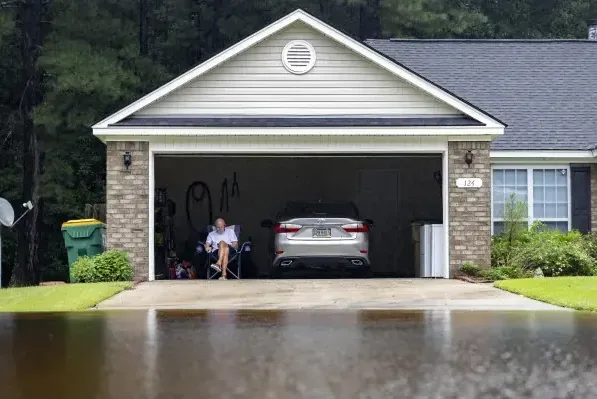
First moves when storm and flood cleanup starts
- Stay out of it
Avoid walking through floodwater and keep children and pets away. It can carry bacteria, debris and electrical hazards.
- Cut the power
Switch off the breaker for any flooded room, and do not touch outlets or cords while standing in water.
- Lift valuables
Move documents, electronics and keepsakes upward once the route is clear of water.
- Photograph everything
Record the water mark on the walls and each damaged item before cleanup begins.
How the crew handles storm and flood cleanup
Remove mud and water
The extraction crew shovels silt, pumps standing water and rinses hard surfaces before anything is dried.
Cut out the wet
Carpet, pad and drywall that the flood touched are cut out and bagged, usually at a height above the water mark.
Treat and clean
Antimicrobial is applied to every surface that stays, and HEPA scrubbers run while the debris is cleared.
Dry the structure
Air movers and dehumidifiers dry framing and concrete, and readings are logged until each material reaches its target.
What does storm and flood cleanup cost in Placentia, CA?
Storm and flood cleanup here typically runs $3,000 to $20,000 or more, depending on how many rooms the water reached, how deep it got and whether it was Category 3. Contents pack-out adds to the total.
Garage or one room
- Mud and water removal
- Lower drywall cut out
- Antimicrobial and drying
Several rooms
- Carpet and pad disposal
- Flood cuts throughout
- HEPA air scrubbing
Whole slab level
- Full Category 3 removal
- Contents pack-out
- Structural drying
Typical ranges, not a quote. The water damage cost calculator gives a planning figure; the firm number follows the on-site moisture map.
Flood damage differs from a plumbing leak because the water arrives with soil, debris and whatever the street carried. The first job is getting it out.
What gets removed
Anything porous that sat in floodwater is discarded, because cleaning cannot make it safe to keep.
- Carpet, pad and rugs
- Drywall and insulation up to the water mark
- Mud and silt from hard floors
- Cardboard and soft furnishings
Local flood history
On March 3, 1938, after five days of rain, the Santa Ana River left its banks and sent water through La Jolla and Atwood, leaving 3,700 refugees and 1,500 uninhabitable homes. The Army Corps of Engineers did not consider the river safe from a 100-year flood until Seven Oaks Dam was finished in 1999.
More recent storms were smaller but still real. The National Weather Service says 350 homes flooded in Placentia in January 2005, and the Atwood Channel was fast-rising rapids by 9 a.m. in early January 2023, according to the Los Angeles Times.
Why drainage matters
Storm drains carry street runoff to flood control channels and were never built to handle waste, which is why water from a street is treated as contaminated. If sewage is involved, sewage backup cleanup rules apply.
Drying starts only after the muck and wet materials are out, using air movers, dehumidifiers and HEPA air scrubbing. Standing water is handled first through water extraction.
The storm and flood cleanup process, start to finish
- 1
Clear
Mud, silt and standing water are removed first, with wands, pumps and shovels.
- 2
Cut out
Porous materials the flood touched are cut out, bagged and carried away.
- 3
Treat
Remaining surfaces get antimicrobial treatment and HEPA air scrubbing.
- 4
Dry
Air movers and dehumidifiers run until the readings match the dry goal.
Storm and Flash Flood Cleanup across Placentia and nearby towns
Flood cleanup covers ZIP 92870 and 92871, from the Atwood and La Jolla neighborhoods near the Atwood Channel and Parque de los Niños to the streets around Whitten Community Center.
The same service nearby: storm and flash flood cleanup in Brea, Yorba Linda, Villa Park.
Water damage restoration in Placentia Every area coveredStorm and Flash Flood Cleanup questions
Is flood water the same as a plumbing leak?
No. Runoff from a street or channel is Category 3, carrying soil and bacteria, so porous materials are removed and surfaces are treated before drying.
What did past floods do in Placentia?
The 1938 flood left 1,500 homes uninhabitable, and the National Weather Service says 350 homes flooded in January 2005. Both show that standing water has reached local homes.
Can carpet be saved after a flood?
Almost never. Carpet and pad that sat in Category 3 water are discarded, because cleaning cannot remove the bacteria from the fibers and backing.
How soon does mold become a concern?
Mold can begin to grow within 24 to 48 hours in damp materials. Quick removal of wet drywall and pad, then steady drying, keeps it from taking hold.
Does flood insurance matter?
Standard homeowner policies commonly exclude rising or surface water, and separate flood coverage may apply. Photos, moisture logs and invoices help whichever policy responds.
How long does storm cleanup take?
Debris and wet materials usually come out in a day or two, then drying runs 3 to 5 days more, depending on how many rooms and materials were wet.
Storm water in the house?
The restoration team removes the mud and water, cuts out what the flood ruined, treats surfaces and dries the structure back to a clean, dry finish.