Water Extraction in Placentia, CA
Standing water in a Placentia home or shop needs to come out before it climbs walls and soaks pad. The extraction crew pulls it with truck-mounted gear, checks what stayed wet, then sets up drying.
(888) 563-9619Get the water pumped out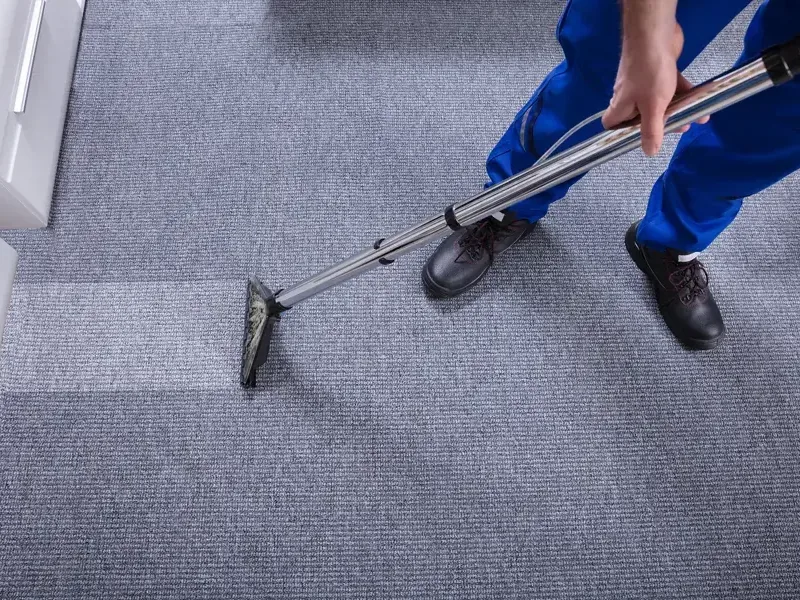
First moves when water extraction starts
- Stop the source
Close the shutoff valve for the leaking pipe or appliance. Water that keeps arriving undoes every pass of the extractor.
- Keep power away
Leave wet outlets, cords and floor-level electronics alone. Shut off the breaker for a flooded room if the panel is dry.
- Lift what you can
Raise small furniture onto blocks and pull rugs off wet floors so the crew can reach the whole surface.
- Note the damage
Take photos of the water mark and wet items before cleanup begins, for the insurance claim.
How the crew handles water extraction
Pump first
The extraction crew runs truck-mounted units and a weighted wand over carpet and hard floors, taking the bulk of the water before anything else moves.
Press the pad
Carpet pad that held clean water is pressed and metered. Pad that sat in gray or black water is cut out and bagged for disposal.
Check the edges
Baseboards, wall bottoms and door frames wick water upward, so readings are taken there before the room is declared ready for drying.
Hand off to drying
Once the pumping stops, fans and dehumidifiers take over, and the same meters track the room down to a dry reading.
What does water extraction cost in Placentia, CA?
Water extraction here typically runs $400 to $3,500 or more, set by the area covered, how long the water sat and whether it stayed clean or turned contaminated. Plumbing repairs are not included.
One room, clean water
- Truck-mounted extraction
- Pad pressed and checked
- Moisture readings
Several rooms
- Extraction room by room
- Pad removal where needed
- Baseboard moisture checks
Deep or contaminated water
- Category 3 handling
- Pad and carpet disposal
- Antimicrobial before drying
Typical ranges, not a quote. The water damage cost calculator gives a planning figure; the firm number follows the on-site moisture map.
Water extraction is the first job in almost every loss, and it decides how much of the room can be saved. Pumps and wands pull the bulk of the water out, then moisture readings show what the floor and walls still hold.
What the extraction crew removes first
The crew starts with the deepest water, then works toward the edges of the room.
- Standing water on hard floors and carpet
- Water trapped in the pad beneath carpet
- Puddles along baseboards and door thresholds
- Water that dripped into the room below
Water between units
The Census Bureau counts 4,406 housing units in Placentia buildings with two or more units, so a spill upstairs often becomes a wet ceiling downstairs. Extraction there covers every affected space, with moisture checked on both sides of a shared wall.
Houses behave differently. Water usually spreads across one level first, then wicks into the drywall along the floor.
Storm and channel water
This town has seen real flooding. The National Weather Service says 350 homes flooded during the January 2005 storms, and the Atwood Channel ran as rapids in early January 2023. Water from outside is storm flood cleanup work, because it carries silt and bacteria.
Once the pumping is done, structural drying takes over and removes what the water left inside the materials.
The water extraction process, start to finish
- 1
Find the water
The team checks flooring, walls and the room below with a meter to see where the water went.
- 2
Extract
Pumps and wands remove standing water and pull moisture out of carpet and pad.
- 3
Open and clean
Wet pad comes out, surfaces are cleaned, and contaminated water gets an antimicrobial treatment.
- 4
Set up drying
Fans and dehumidifiers run until daily readings show the materials are dry.
Water Extraction and Removal across Placentia and nearby towns
Crews work in ZIP 92870 and 92871, including the Placentia-Santa Fe District, Orangethorpe Avenue, the blocks near Whitten Community Center and the stretch out along Tustin Avenue and Raymond Avenue.
The same service nearby: water extraction and removal in Brea, Yorba Linda, Villa Park.
Water damage restoration in Placentia Every area coveredWater Extraction and Removal questions
How soon should water be extracted?
As early as possible. Carpet pad and drywall start absorbing right away, and mold can begin within 24 to 48 hours, so removing the water early limits what has to be torn out.
Can wet carpet be saved?
Often, when the water was clean and the pad is pressed and dried promptly. Carpet that sat in gray or black water is usually discarded because cleaning cannot make it safe again.
What is the difference between extraction and drying?
Extraction removes liquid water. Drying removes the moisture that stays inside wood, drywall and concrete, using air movers and dehumidifiers, and it is tracked with daily meter readings.
Does extraction cover water from an upstairs unit?
Yes. With 4,406 housing units here in buildings of two or more units, leaks often travel down through ceilings and walls, and the crew pumps and dries each affected space.
Is storm water treated differently?
Yes. Floodwater and runoff count as Category 3 and carry silt and bacteria, so the crew removes the muck, discards porous materials and applies antimicrobial before any drying begins.
Will insurance cover water extraction?
Sudden leaks and burst pipes are commonly covered, while slow seepage and flood often are not. Photos, moisture logs and the invoice help the adjuster, so keep copies of each. The cost calculator gives a first estimate.
Water on the floor right now?
The extraction crew pumps the water out, removes pad that cannot be saved and sets up drying so the room does not stay wet inside the walls.