Slab Leak Water Damage in Yorba Linda, CA
A leak under a concrete slab shows up as warm floors, damp baseboards or a rising water bill, and the drying team maps the moisture, lifts the wet flooring and dries the slab itself.
(888) 563-9619Trace the water under the floor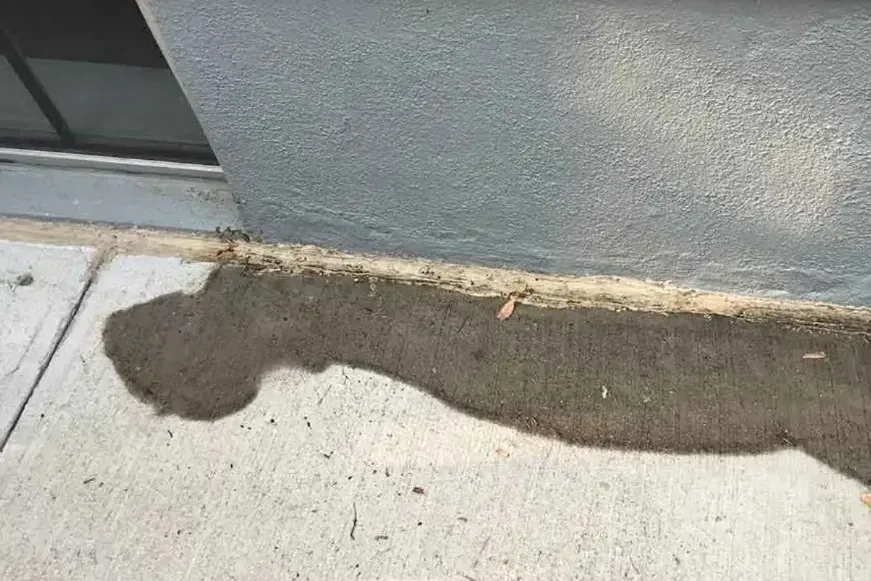
First moves when slab leak water damage starts
- Watch the meter dial
With every tap and appliance off, a meter dial that still turns points to a hidden leak.
- Note warm spots
Warm floors, swollen baseboards and damp carpet edges help narrow down where the water is surfacing.
- Protect the contents
Lift boxes and rugs off the floor, and keep electronics away from damp walls.
- Call a plumber too
A plumber repairs the pipe, and the drying team schedules around that work so the floor is not opened twice.
How the crew handles slab leak water damage
Mapping the wet area
Meters and a thermal camera trace water from the leak point across the slab and into wall bottoms, showing which rooms and surfaces are actually wet.
Lifting wet flooring
Laminate, tile, carpet and pad that trap water against the concrete are lifted in sections, because a covered slab can stay damp for weeks.
Opening wall bottoms
Where readings stay high, drywall is cut at a flood line above the wet zone, insulation is removed and the wall cavity is dried with direct airflow.
Drying the concrete
LGR dehumidifiers pull moisture from the air while desiccant units handle dense concrete, and daily readings show when the slab reaches its dry goal.
What does slab leak water damage cost in Yorba Linda, CA?
Slab leak water damage usually costs between $1,800 and $15,000 or more, because concrete dries slowly and the number of rooms, the flooring type and how long the leak ran change the scope of the work.
One room of flooring
- Moisture mapping
- Flooring lifted where wet
- Slab and wall drying
Several rooms
- Pad, laminate or tile removal
- Wall bottoms opened and dried
- LGR dehumidifiers
Long-running leak
- Category 2 handling
- Drywall flood cuts
- Desiccant drying of the slab
Typical ranges, not a quote. The water damage cost calculator gives a planning figure; the firm number follows the on-site moisture map.
A slab leak is a supply pipe failing in or under the concrete floor, so the water has nowhere to go but up through cracks, joints and the edge of the slab. By the time a floor feels warm or baseboards swell, flooring and wall bottoms are often wet.
Why slab leaks spread sideways
Concrete stays wet for a long time, so water moves along the floor and wicks into any wall that sits on it, even in rooms far from the leak.
- Laminate and tile edges lift or crack
- Carpet pad turns damp from below
- Baseboards swell and drywall wicks upward
- Cabinets and toe-kicks absorb along the base
Who handles which pipe
The water district maintains the mains in the street, while the owner is responsible for plumbing on the customer side of the water meter, so a leak under the floor falls to the owner. Restoration covers the damage and a plumber handles the pipe.
Insurance often asks for moisture logs that show where the water was found, which makes mapping the first step before anything is torn out.
Drying a slab properly
Concrete releases moisture slowly, so a day of fans is not enough. The drying team lifts wet flooring, opens wall bottoms where readings are high, and runs LGR and desiccant dehumidifiers until the slab and the walls read dry.
Hardwood over a slab needs extra care, because wood and concrete hold water against each other. The hardwood floor water damage work covers boards that can be saved. Standing water first goes through extraction.
The slab leak water damage process, start to finish
- 1
Chart the wet zone
Meters and thermal imaging outline every wet area on the slab and the walls beside it.
- 2
Pull up wet flooring
Wet laminate, tile, carpet and pad come up in sections so the concrete can release moisture.
- 3
Dry the slab
Dehumidifiers, air movers and desiccant units run in a closed room while readings are logged each day.
- 4
Confirm and close
Final readings on the slab and wall bottoms are recorded before the equipment leaves.
Slab Leak Water Damage across Yorba Linda and nearby towns
Slab leak jobs run across 92886 and 92887, including Hidden Hills, Hidden Hills Estates, Bryant Ranch, Savi Ranch and the homes along Fairmont Boulevard and Esperanza Road, with the same mapping steps in every neighborhood.
The same service nearby: slab leak water damage in Brea, Placentia, Villa Park.
Water damage restoration in Yorba Linda Every area coveredSlab Leak Water Damage questions
How can a slab leak be spotted early?
Warm spots on the floor, the sound of running water with fixtures off, a meter that keeps moving and damp baseboards are the usual signs. A plumber can confirm the leak with detection tools.
Does the floor always have to come up?
Not always. Tile can sometimes stay if the readings are low, while carpet pad, laminate and glued flooring usually trap moisture and come up so the slab can dry.
How long does a slab take to dry?
Concrete is slow, so slabs often need several days of dehumidifier and desiccant drying, and readings rather than the calendar decide when the equipment can come out.
Who repairs the broken pipe?
A plumber handles the pipe, since the owner is responsible for plumbing on the customer side of the water meter. The restoration team handles the water damage and the drying around that repair.
Can mold grow from a slab leak?
It can when materials stay damp for more than a day or two, which is why wet pad, baseboards and drywall are dried or removed early rather than left to wait.
Is a slab leak covered by insurance?
Coverage depends on the policy and on whether the leak was sudden or ongoing. Moisture logs, photos and the plumber's report help the adjuster see what was wet and how far it spread.
Will wet baseboards need replacing?
Painted wood baseboards can often be dried and reused, while swollen composite trim usually has to be replaced after the walls dry.
Map the leak, dry the slab
Concrete floors hide wet flooring and wet walls, so mapping comes first and drying follows until the slab itself reads dry on the meter.