Water Extraction in Yorba Linda, CA
Truck mounted pumps and wands pull standing water from carpet, pad and hard floors, so a failed hose, a main break or a flooded garage stops soaking into framing, drywall and subfloor.
(888) 563-9619Pump out the standing water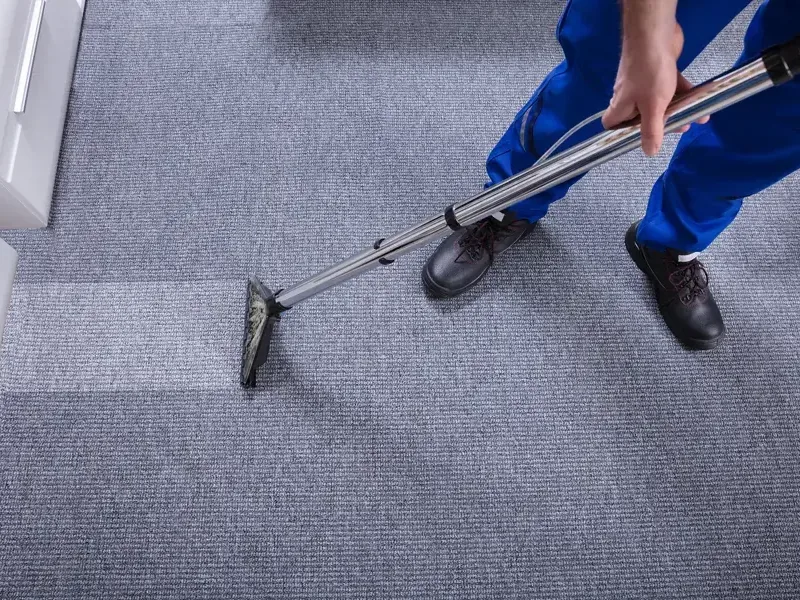
First moves when water extraction starts
- Stop the source
Close the main valve or the fixture shutoff first, then keep people and pets off the wet floor.
- Lift what you can
Raise small furniture, rugs and boxes off the floor so extraction can reach all of the wet carpet.
- Skip the shop vac
Household vacuums cannot move enough water, and plugging them in over wet floors is a shock risk.
- Call the crew
Describe how long water has been down and what it touched, so the right pumps and disposal bags are ready.
How the crew handles water extraction
Pumps for bulk water
Truck mounted units and wands pull standing water from hard floors, garage slabs and carpet, working in overlapping passes so no wet patch is skipped.
A decision on the pad
Carpet pad is pressed and metered, then lifted when it holds water or contamination, while the carpet itself is often cleaned, lifted and dried for reinstalling.
Edges and wall bottoms
Baseboards, toe-kicks and lower drywall are tested with a meter, because water wicks sideways from the floor into the wall base.
Handoff to drying
Once the bulk water is out, the readings are written down, air movers and dehumidifiers are placed, and a drying plan is set for the days ahead.
What does water extraction cost in Yorba Linda, CA?
Extraction on its own usually runs between $400 and $3,500 or more, depending on how many rooms are wet, how deep the water sat and whether the water is clean or contaminated.
One room, clean water
- Truck-mounted extraction
- Pad pressed and checked
- Moisture readings
Several rooms
- Extraction room by room
- Pad removal where needed
- Baseboard moisture checks
Deep or contaminated water
- Category 3 handling
- Pad and carpet disposal
- Antimicrobial before drying
Typical ranges, not a quote. The water damage cost calculator gives a planning figure; the firm number follows the on-site moisture map.
Extraction comes first on almost every wet job, because water left in carpet and pad keeps wicking into baseboards and drywall. The extraction crew pulls out the bulk water, checks the pad and hands a much drier room over to the drying equipment.
What the crew removes
The extraction crew works through each wet surface in a set order, starting with the deepest water.
- Standing water pumped off hard floors and garage slabs
- Wet carpet worked with a weighted wand
- Pad pressed, tested and lifted if it stays wet
- Baseboards and wall bottoms checked with a meter
What local water losses look like
Not every loss starts inside the house. In May 2026 an 8 inch water main broke along Rose Drive, and the rushing water carried mud and debris into at least five yards. In April 1996 a 15 inch main on Bastanchury Road sent water through a garage and out the back door.
Cleanup after a main break often involves mud and debris, which changes the water category and the disposal plan.
After the pumps stop
Once the bulk water is out, the structural drying team sets air movers and dehumidifiers, and daily readings show how much moisture remains in the subfloor and at the bottom of the walls.
Contaminated water changes the job. A sewage backup or runoff that crossed soil needs Category 3 handling before any carpet or pad is saved. See all water damage services available here.
The water extraction process, start to finish
- 1
Find the water
Meters and visual checks mark every wet surface before the first pump starts.
- 2
Pull it out
Pumps and wands remove standing water, then carpet is worked until the extraction wand returns little.
- 3
Test the pad
The pad is pressed and metered to decide whether it can stay under the carpet.
- 4
Start the drying
Air movers and dehumidifiers are placed, and the first full set of readings is logged.
Water Extraction and Removal across Yorba Linda and nearby towns
Extraction work runs across the city, from garages and living rooms around Rose Drive and Bastanchury Road to shops along Yorba Linda Boulevard and the streets around Savi Ranch.
The same service nearby: water extraction and removal in Brea, Placentia, Villa Park.
Water damage restoration in Yorba Linda Every area coveredWater Extraction and Removal questions
How fast does standing water need to come out?
As early as possible, because carpet pad, baseboards and lower drywall keep absorbing while water sits. Hard floors and garage slabs tolerate it better than soft materials do.
Can the carpet be kept after extraction?
Often, if the water was clean and the carpet is cleaned, lifted and dried quickly. The pad usually gets replaced, and contaminated water means the carpet goes too.
What happens after a water main break outside?
The water district takes emergency calls for main and service breaks. Water that reaches a home or garage is extracted like any other loss, and mud or debris usually pushes it to Category 3.
Is a wet garage slab handled differently?
Concrete takes up less water than carpet, so extraction is quick, but stored boxes, drywall and the wall base still need readings before the garage is called dry.
Does extraction replace the drying stage?
No. Extraction removes the bulk water, while air movers and dehumidifiers remove what is left in the materials, so most jobs need both before the readings reach the dry goal.
Why does the pad get checked so carefully?
Pad soaks up water like a sponge and dries slowly under carpet, so it is the first thing metered, and mold can start in it within a day or two if it stays wet.
Get the pumps to the floor
Standing water, wet carpet or a flooded garage all start with the same pump and wand work, followed by careful pad and wall base readings.