Water Extraction & Removal in La Habra Heights, CA
Standing water in carpet, pad or a garage floor is pumped out with truck-mounted and portable extractors, then the structure is dried and checked with moisture readings, room by room.
(888) 563-9619Pump out my wet floors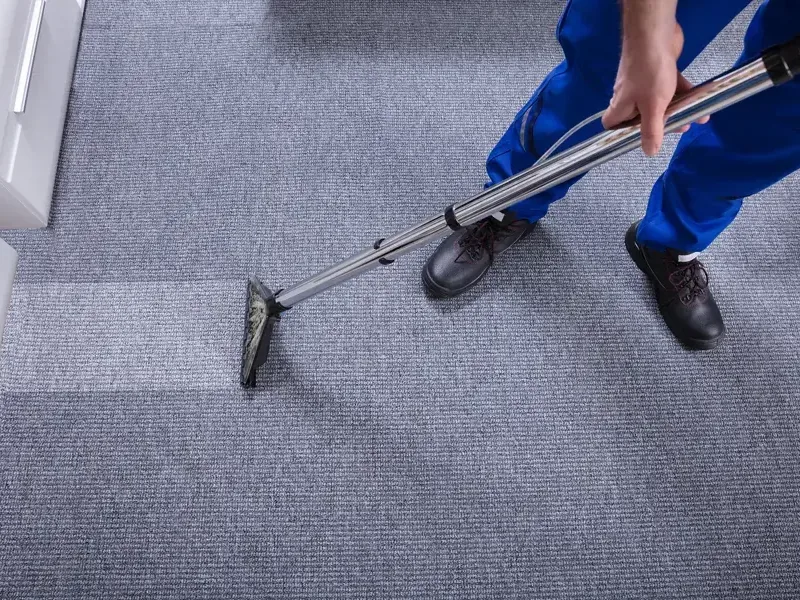
First moves when water extraction starts
- Stop the source
Close the main valve or the appliance valve so no new water enters the room.
- Lift what is wet
Raise furniture legs, rugs and boxes off the floor so the wand can reach every inch.
- Skip the shop vacuum
A household vacuum cannot lift much water and should never touch standing water near outlets.
- Photograph the damage
Capture the wet floor and any visible waterline before anything is moved or discarded.
How the crew handles water extraction
Choose the right extractor
Truck-mounted units move large volumes. Portable extractors and submersible pumps take over in tight rooms, on stairs and wherever hose cannot be run.
Lift the wet pad
Carpet is peeled back at a corner, the pad is pressed and tested, and pad that holds water is cut out and carried away.
Check the floor below
Meters read the subfloor, baseboards and lower drywall, so water hiding behind them is found before drying begins.
Hand off to drying
Once standing water is gone, air movers and dehumidifiers go in, and readings continue each visit until the structure tests dry.
What does water extraction cost in La Habra Heights, CA?
Extraction for a typical home runs from $400 for one clean-water room to $3,500 or more for deep or contaminated water. Room count and water category move the price more than anything else.
One clean-water room
- Truck-mounted extraction
- Pad pressed and tested
- Wall base readings
Several rooms
- Room by room extraction
- Wet pad removed
- Baseboard moisture checks
Deep or contaminated water
- Category 3 handling
- Pad and carpet disposed
- Antimicrobial before drying
Typical ranges, not a quote. The water damage cost calculator gives a planning figure; the firm number follows the on-site moisture map.
Extraction is the first job on almost every wet loss, because water left in a floor keeps moving into baseboards, cabinets and wall cavities. On one-acre lots, where the truck may park well away from the wet room, the crew plans its hose runs before the first pump starts.
What gets pulled out first
The crew starts with the water that is easiest to remove and most likely to spread.
- Standing water on tile, concrete and garage floors
- Water held in carpet and the pad beneath it
- Puddles pooled at thresholds and low corners
- Muddy runoff that came in through a door
Reaching the room
Homes here are spread along winding roads with no sidewalks, and one-acre parcels mean a driveway can be long. Truck-mounted extractors have the most suction, so the crew runs hose from the truck to the room. Where hose cannot reach, or stairs get in the way, portable extractors and pumps take over.
The city lists mud, debris and blocked drainage among the effects of flooding, so extraction after a storm often lifts sediment along with the water.
When extraction is not enough
Pulling water out removes most of it, but wood, drywall and concrete still hold moisture afterward. That is why extraction hands off to structural drying, or to hardwood floor drying when boards are involved.
Contaminated water changes the plan. Floodwater or sewage means Category 3 handling, and sewage backup cleanup follows a different process on septic properties.
The water extraction process, start to finish
- 1
Locate the water
Meters and thermal imaging trace where water traveled beyond the visible wet spot.
- 2
Extract it
Pumps and wands pull water from carpet, tile and concrete until the floor is damp instead of wet.
- 3
Remove the pad
Soaked padding and ruined carpet are cut out and bagged for disposal.
- 4
Start the drying
Air movers and dehumidifiers go in, and readings are logged each visit.
Water Extraction and Removal across La Habra Heights and nearby towns
Extraction work covers La Habra Heights from Hacienda Road and East Road to West Skyline Drive and Casalero Drive, including the Subtropic Farms and Avocado Crest areas.
The same service nearby: water extraction and removal in Brea, Placentia, Diamond Bar.
Water damage restoration in La Habra Heights Every area coveredWater Extraction and Removal questions
Can wet carpet be saved after extraction?
Carpet soaked by a clean source and caught early is often cleaned and dried while the pad is replaced. Sewage or floodwater means carpet and pad are both removed.
Does the truck have to reach the house?
Truck-mounted extractors work best from the driveway with hose run inside. When the truck cannot get close, portable extractors and pumps do the same work room by room.
How soon does mold become a concern?
Mold can start on wet materials in 24 to 48 hours, which is why extraction and drying begin as early as possible.
Is stormwater runoff treated differently?
Yes. The city warns that floodwater may carry contaminants and advises avoiding direct contact. Runoff that brought in mud is handled as Category 3, with protective gear and antimicrobial treatment.
Will extraction fully dry the house?
No. Extraction removes liquid water, but wood, drywall and concrete keep moisture. Air movers and dehumidifiers finish the job, and readings confirm it.
Should a shop vacuum be used first?
A household shop vacuum is not built for this volume and adds an electrical risk around standing water. Shutting off power to wet outlets and waiting for the extraction crew is safer.
Standing water needs pumps fast
Every hour water sits, more of the floor, baseboard and drywall absorbs it. The extraction crew brings truck-mounted and portable equipment to local homes.