Water Extraction in Villa Park, CA
Water that sits on carpet, tile or wood soaks into the pad and framing quickly. Truck-mounted pumps and extraction wands pull it out first, then moisture readings show what still needs drying.
(888) 563-9619Tell the crew how deep it is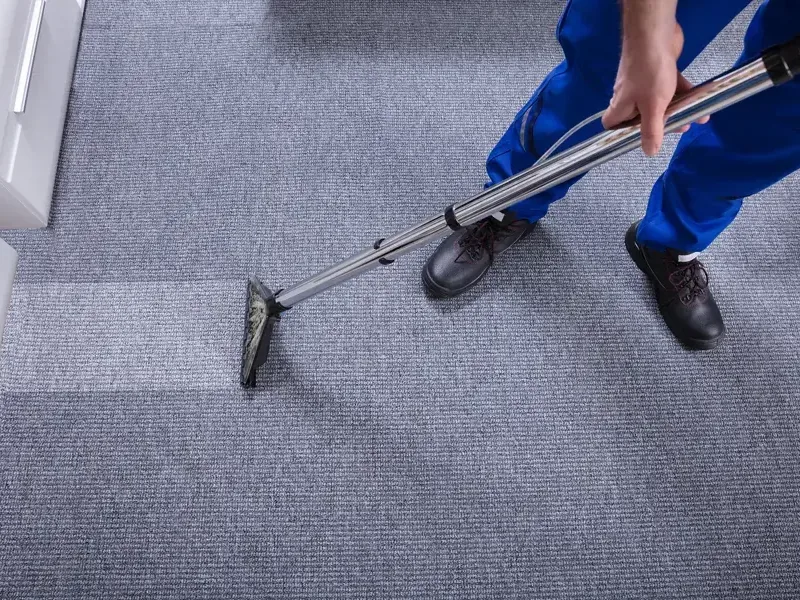
First moves when water extraction starts
- Stop the source
Close the main or fixture valve, and turn off power to the wet room if the floor near outlets is wet.
- Move what you can
Lift rugs, small furniture and boxes off the wet floor, and prop wet cushions up on plastic or foil.
- Skip the vacuum
A household vacuum is not made for water and can shock the user, so extraction is left to truck-mounted pumps.
- Note the depth
Photograph the waterline and wet belongings so the adjuster sees the starting condition.
How the crew handles water extraction
Pump the bulk first
Truck-mounted units pull the heavy water in one pass, and wands then follow the carpet seams and corners until the surface stops giving up water.
Check below the surface
Meters and thermal cameras look under carpet, along baseboards and inside cabinets, because water travels farther than the stain shows.
Decide what stays
Pad is usually the first loss, while carpet, hardwood and drywall are saved only when readings show they can dry without damage.
Leave a clean handoff
Removed materials are listed and photographed, equipment is staged for drying, and the homeowner receives a plain written scope.
What does water extraction cost in Villa Park, CA?
Water extraction usually runs $400 to $1,200 for one room of clean water, $1,200 to $2,500 for several rooms, and $2,500 to $3,500 or more when the water is deep or contaminated.
One room of clean water
- Truck-mounted pump out
- Pad pressed and checked
- Moisture readings logged
Several rooms of water
- Room by room extraction
- Wet pad removed where needed
- Baseboard moisture checks
Deep or contaminated water
- Category 3 handling
- Carpet and pad disposal
- Antimicrobial before drying
Typical ranges, not a quote. The water damage cost calculator gives a planning figure; the firm number follows the on-site moisture map.
Extraction is the first real step in any flooded-room job, because standing water keeps pushing moisture into pad, baseboards and wall bottoms. In a city of detached homes, that usually means a garage, a laundry room or one wing of a house, and the crew works room by room. The water extraction service details outline the full method.
What gets pulled out first
Water leaves in a set order, so nothing is dried while it is still wet:
- Standing water on floors, removed with truck-mounted pumps and wands
- Saturated carpet pad that cannot recover
- Water trapped under cabinets and along baseboards
- Contaminated water, handled separately with protective gear
When storms or the creek are the source
Santiago Creek borders the city on the southeast, and some properties sit inside designated flood hazard zones. Storm runoff or creek water counts as Category 3, so soaked porous materials are removed instead of dried.
Indoor leaks are different. A supply pipe or tank failure sends clean water, and extraction followed by drying in place often saves the flooring.
After the pumps stop
Readings come next. Moisture meters check wall bottoms and subfloors, and the structural drying plan places air movers and dehumidifiers where the numbers stay high.
Anything cut out is bagged and listed so the homeowner and the adjuster see the same scope.
The water extraction process, start to finish
- 1
Walk the loss
The team traces the source, measures the affected area and notes the water category.
- 2
Extract the water
Pumps and wands remove standing water room by room, finishing with a detail pass along edges.
- 3
Clear the wet debris
Saturated pad, loose baseboard and unsalvageable drywall are cut out and bagged.
- 4
Hand off to drying
Equipment goes in, readings begin, and the daily schedule is set with the homeowner.
Water Extraction and Removal across Villa Park and nearby towns
Extraction crews reach homes and Town Center suites across ZIP code 92861, including The Orchards and the streets along Santiago Boulevard and Wanda Road. Garages, laundry rooms and ground floors are the usual starting points.
The same service nearby: water extraction and removal in Brea, Placentia, Yorba Linda.
Water damage restoration in Villa Park Every area coveredWater Extraction and Removal questions
How soon should standing water be removed?
As early as possible. Carpet pad and drywall soak up water quickly, and mold can begin within 24 to 48 hours, so pumping should start once the source is stopped.
Can carpet be saved after extraction?
Often yes when the water was clean and caught quickly. The pad is usually replaced, and the carpet is dried and checked with meters before it stays.
Is creek or street water handled differently?
Yes. Water from a street, a drain or Santiago Creek counts as Category 3, so soaked porous materials come out and remaining surfaces are disinfected rather than dried in place.
Does extraction replace drying?
No. Pumping removes standing water, but moisture stays in framing and flooring. Structural drying follows with air movers and dehumidifiers.
What does extraction cost for a garage?
A garage or single room of clean water usually falls in the $400 to $1,200 range, rising when water is deep, contaminated or spread across several rooms.
Should the main valve be shut off first?
Yes, if it is safe to reach. Closing the main valve stops new water, so the crew can pump without the room refilling.
Start pulling the water out
Standing water keeps soaking pad and framing while it waits. The extraction crew can plan the pumping and the follow-up drying in a single conversation.